Driving Tomorrow: The 10 Most Exciting Concept Vehicle Trends for 2025
Explore the 10 most exciting concept vehicle trends shaping 2025. Discover futuristic designs, sustainable tech, and advanced connectivity in automotive innovation.

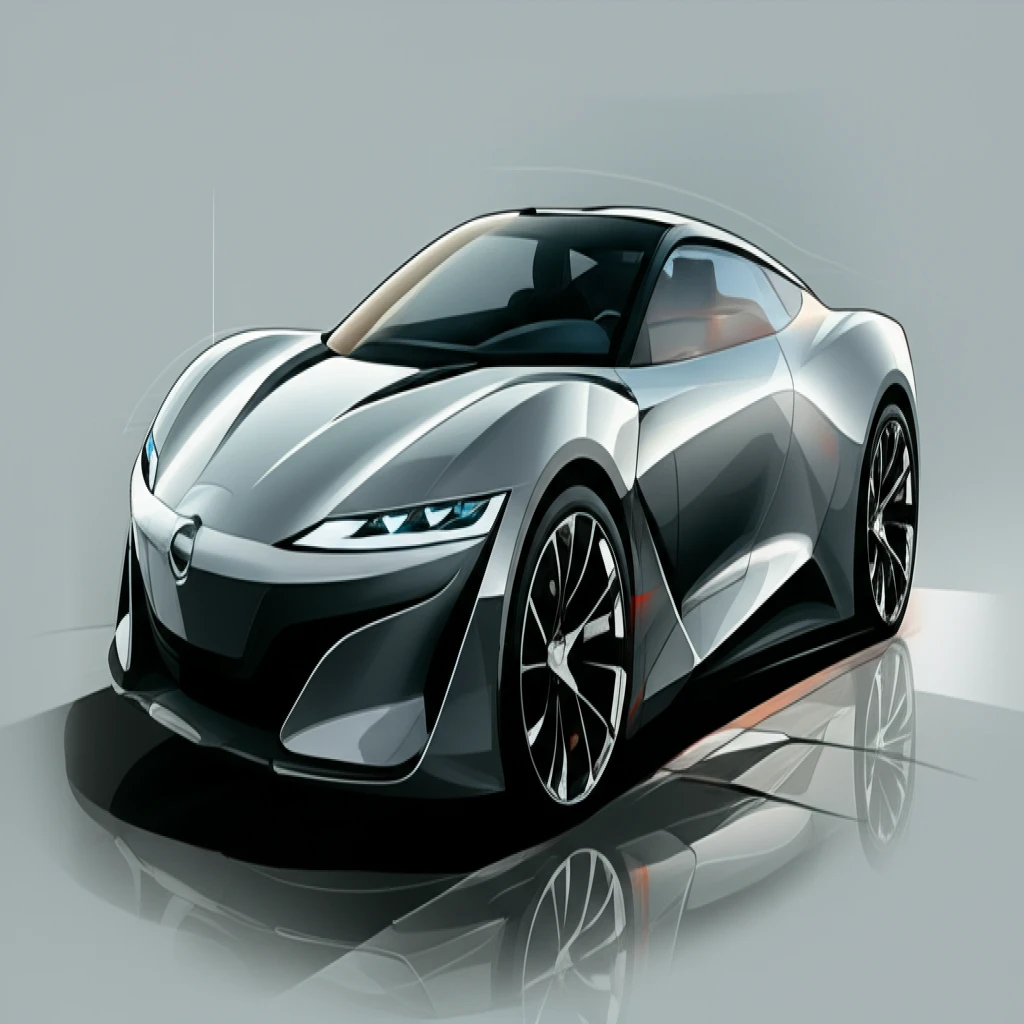
Concept vehicles are more than just flashy prototypes; they are the crystal ball into the future of automotive innovation. They push the boundaries of design, technology, and engineering, often showcasing ideas that will eventually find their way into mass-produced cars. As we approach 2025, the automotive landscape is buzzing with exciting new directions. From advanced AI integration to radical sustainable materials, these trends promise a revolution on wheels. Let's dive into the top 10 concept vehicle trends that will define the automotive experience in the coming year and beyond.
Gone are the days of one-size-fits-all cabins. 2025 concepts are focusing on interiors that adapt entirely to the driver and passengers. Expect biometric sensors that adjust seat firmness, ambient lighting, and climate control based on individual preferences and even stress levels. Customizable digital displays will offer unparalleled infotainment and control, making every journey uniquely tailored.
Artificial intelligence is moving beyond basic voice commands. Future concepts showcase AI as an intuitive co-pilot, predicting needs, optimizing routes based on personal schedules, and handling complex driving scenarios with increasing autonomy. This trend emphasizes a symbiotic relationship between human and machine, enhancing safety and convenience.
The push for sustainability is driving innovation in materials. Look for concept vehicles utilizing recycled plastics, plant-based leathers, and even mushroom-derived composites for interiors and exteriors. A fascinating sub-trend is bio-luminescent materials, which could replace traditional lighting for a more energy-efficient and aesthetically pleasing glow, inside and out.
Flexibility is key for urban mobility. Concepts for 2025 explore modular designs where vehicle sections can be swapped or reconfigured for different purposes – from a compact city commuter to a spacious cargo hauler. Transformable interiors allow seats to fold away or swivel, creating mobile workspaces or lounge areas at the touch of a button.
Efficiency remains paramount. Expect sleek, flowing designs that incorporate active aerodynamic elements like adaptive spoilers, retractable side mirrors, and shape-shifting body panels that adjust to optimize airflow at varying speeds. Some concepts even feature self-cleaning or self-repairing exterior surfaces, blending form with intelligent function.
The car is becoming a true extension of our digital lives. 2025 concepts push immersive connectivity with augmented reality (AR) windshields displaying navigation and critical information directly onto the road ahead. Virtual reality (VR) entertainment systems for passengers, high-speed 5G connectivity, and seamless integration with smart home ecosystems will redefine in-car experiences.
Addressing range anxiety and charging times, innovative battery solutions are a major trend. Concepts feature easily swappable battery packs that can be exchanged at specialized stations in minutes, akin to a pit stop. Ultra-fast charging technologies that can achieve significant range in under 5-10 minutes are also prominently showcased, making electric vehicle ownership more practical.
The car as a wellness hub is emerging. Future concepts incorporate advanced sensors that monitor driver vital signs, detect drowsiness, and even assess stress levels. Integrated air purification systems, mood-enhancing ambient sounds, and personalized climate zones contribute to a healthier and more comfortable journey, transforming the vehicle into a personal sanctuary.
While still in its infancy, the integration of ground and air mobility is a growing concept trend. We're seeing designs that hint at vehicles capable of vertical take-off and landing (VTOL), or modular systems where a car's cabin can detach and become part of a flying module. These concepts envision a future where personal transportation transcends the road.
Beyond headlights and taillights, the exterior of concept vehicles is becoming a canvas for communication. Programmable LED panels on the body can display messages, warn pedestrians, or even change patterns to reflect the driver's mood or customize the vehicle's appearance. This trend turns the car into an interactive element of its environment.
While concept cars are often futuristic, the trends they introduce eventually trickle down to production models. As a consumer, understanding these trends can help you anticipate the features and innovations to expect in your next vehicle. Look for increasing levels of personalization, smarter AI assistants, and more sustainable choices in materials. The emphasis on connectivity and autonomous features will free up your time in traffic, allowing for more productivity or relaxation. Furthermore, advancements in battery technology mean electric vehicles will become even more convenient and accessible. Staying informed about these 'fashion' forward automotive developments ensures you're ready for the revolution on the road.
The concept vehicle landscape for 2025 paints a picture of an automotive future that is intelligent, sustainable, personalized, and seamlessly integrated into our digital lives. These 10 trends are not just about new cars; they represent a fundamental shift in how we interact with transportation, promising journeys that are safer, more efficient, and incredibly engaging. The road ahead is certainly exciting, and these concepts are leading the way.
 October 11
Explore the 10 most exciting concept vehicle trends shaping 2025. Discover futuristic designs, sustainable tech, and advanced connectivity in automotive innovation.
 October 16
Explore the top 10 concept vehicle trends for 2025, from autonomous AI and sustainable materials to personalized interiors and eVTOL integration, shaping the future of automotive mobility.
 October 16
Explore the top 10 concept vehicle trends for 2025, from AI integration and sustainable design to modular interiors. Discover the future of automotive fashion and technology.