Top 10 Car Trends Shaping 2025: Style, Tech, and Sustainability on the Road
Discover the top 10 car trends for 2025, from electric vehicle innovations and sustainable materials to futuristic design and smart tech. Stay ahead of the curve!

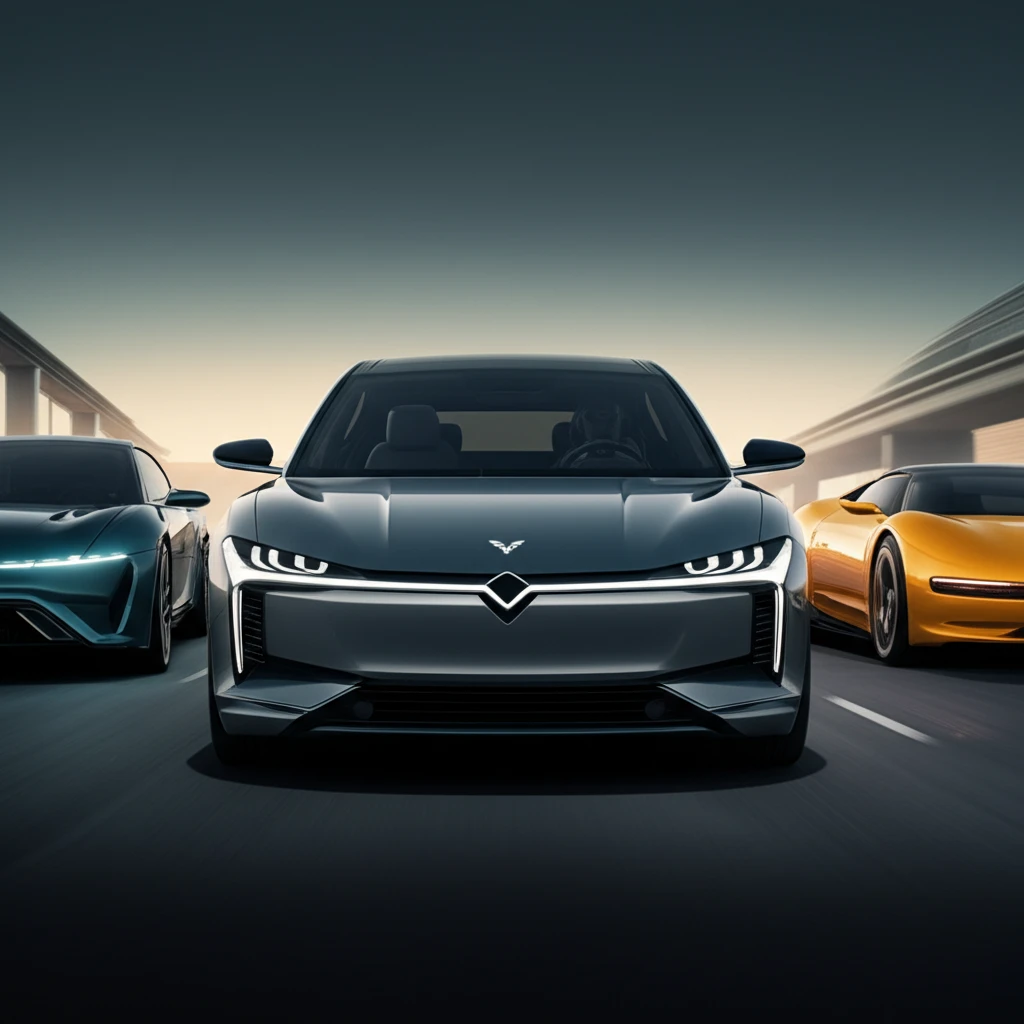
The automotive landscape is evolving at an unprecedented pace, driven by technological advancements, environmental concerns, and shifting consumer preferences. As we look ahead to 2025, a clear set of trends is emerging, promising more intelligent, sustainable, and personalized driving experiences. From the roar of electric engines to the whisper of AI-powered interfaces, here are the top 10 car trends that will shape the roads of tomorrow.
Electric Vehicles (EVs) will dominate the conversation in 2025, moving beyond early adoption to mainstream appeal. The focus will shift from simply having an EV to enhancing performance, charging infrastructure, and battery technology. Expect significant advancements in solid-state batteries, offering greater energy density, faster charging times, and reduced costs. More 800-volt architectures will become common, allowing for ultra-rapid charging at compatible stations.
Example: New models boasting 500+ mile ranges and the ability to add 200 miles of charge in under 15 minutes. Practical Tip: When considering an EV, research not just the car's range but also the availability and speed of public and home charging options in your area.
While fully self-driving cars (Level 5) are still a little further off, 2025 will see Level 3 autonomous driving systems become more widespread. These systems allow drivers to take their hands off the wheel and eyes off the road under specific conditions (e.g., on designated highways), with the vehicle managing driving tasks but requiring driver intervention when prompted. Enhanced sensor suites, lidar, and AI will improve their reliability and safety.
Example: Vehicles capable of navigating complex highway interchanges, changing lanes, and even parking themselves without constant driver input. Practical Tip: Understand the limitations of any autonomous system. Always remain attentive and prepared to take control, even if the system allows 'hands-off' operation.
Cars in 2025 will increasingly be defined by their software, not just their hardware. SDVs allow manufacturers to add new features, improve performance, and fix bugs through over-the-air (OTA) updates, much like a smartphone. This trend promises a vehicle that gets better over time, with personalized user interfaces and subscription-based functionalities.
Example: Unlocking a temporary performance boost, new infotainment features, or even enhanced headlight capabilities via a downloaded update. Practical Tip: Research a manufacturer's history and plans for OTA updates. A robust update strategy can significantly extend the relevance and enjoyment of your vehicle.
Environmental consciousness extends beyond the powertrain. 2025 models will feature more sustainable materials throughout the cabin and exterior. This includes recycled plastics (e.g., from ocean waste), vegan leather, plant-based fabrics, and ethically sourced components. The automotive industry is increasingly embracing a circular economy approach, aiming to reduce waste and recycle materials.
Example: Interiors with seats made from recycled PET bottles, floor mats from fishing nets, and dashboards featuring sustainable wood alternatives. Practical Tip: If sustainability is a priority for you, look for brands that publish comprehensive environmental reports or explicitly highlight their use of eco-friendly materials.
Cars will learn and adapt to individual drivers more than ever. AI-powered systems will remember driver preferences for seating positions, climate control, infotainment settings, and even driving modes. Biometric authentication (e.g., facial recognition or fingerprint scanners) will offer seamless entry and profile activation.
Example: Your car automatically adjusting the seat, mirrors, ambient lighting, and music genre to your profile the moment you enter. Practical Tip: Explore the customization options during your test drive. A truly personalized experience can make a significant difference in daily comfort and convenience.
Connectivity will move beyond simple smartphone integration. Vehicle-to-everything (V2X) communication will allow cars to 'talk' to other vehicles (V2V), infrastructure (V2I), and even pedestrians (V2P). This real-time data exchange will significantly improve safety, traffic flow, and navigation accuracy.
Example: Your car receiving alerts about upcoming traffic jams, road hazards, or even responding to traffic lights to optimize speed. Practical Tip: While V2X technology is still rolling out, keep an eye on how local municipalities are investing in smart infrastructure, as this will enhance your car's capabilities.
The car interior will increasingly be seen as a mobile sanctuary. Manufacturers will prioritize features that enhance occupant well-being. This includes advanced air filtration systems, sophisticated noise cancellation, ergonomic seating with massage functions, and customizable ambient lighting linked to mood or time of day. Some vehicles may even offer aromatherapy or mindfulness exercises.
Example: A cabin that actively filters out pollutants, offers gentle massage settings, and adjusts lighting to reduce eye strain during night driving. Practical Tip: During your test drive, pay close attention to the comfort, quietness, and air quality of the cabin. These factors significantly impact long-term driving pleasure.
Car design in 2025 will marry aesthetics with efficiency. Expect sleeker, more aerodynamic profiles, integrated lighting signatures (often digital and customizable), and a reduction in unnecessary elements. Digital grilles and innovative material usage will allow designers more freedom to create distinctive and futuristic looks.
Example: Seamless body panels that reduce drag, interactive light bars that display charging status, and interiors with minimalist, sculptural forms. Practical Tip: While aesthetics are personal, consider how aerodynamic design contributes to range (for EVs) and fuel efficiency (for ICE vehicles).
The trend of unlocking features for a recurring fee will become more common. While controversial for some, it allows manufacturers to offer a wider range of functionalities, and consumers to pay only for what they use. This could include temporary access to performance upgrades, advanced driver assistance features, or even premium infotainment services.
Example: Activating heated seats or a higher-performance driving mode for a monthly subscription during winter months or for a track day. Practical Tip: Carefully evaluate the long-term cost of subscription features versus purchasing them outright, if available. Factor in how often you'd genuinely use them.
Advanced Driver-Assistance Systems (ADAS) will become standard, but 2025 will see an evolution towards more proactive and predictive safety. This includes AI-powered systems that anticipate potential hazards before they fully develop, enhanced driver monitoring to detect drowsiness or distraction, and even vehicle-to-pedestrian communication for vulnerable road users.
Example: A car that uses AI to predict a pedestrian might step into the road based on their movement patterns, issuing an earlier warning than current systems. Practical Tip: Familiarize yourself with all safety features in your new car. Understanding how they work can help you drive more safely and react appropriately when they activate.
2025 promises to be a pivotal year for the automotive industry, brimming with innovation that will redefine our relationship with cars. From the eco-conscious materials to the intelligent, connected cockpits, these trends reflect a move towards vehicles that are not just modes of transport, but smart, sustainable, and highly personalized extensions of our lives. Staying informed about these developments will empower consumers to make choices that align with their needs and contribute to a more exciting and responsible future on the road.
 October 11
Discover the top 10 car trends for 2025, from electric vehicle innovations and sustainable materials to futuristic design and smart tech. Stay ahead of the curve!
 October 16
Discover the top 10 automotive trends shaping 2025, from electric advancements to personalized tech. Get insights into future car design, sustainability, and connectivity.
 October 16
Explore the top 10 car trends for 2025, from electric vehicles to AI integration. Stay ahead with examples and practical tips for car enthusiasts.