Top 10 Car Trends Shaping 2025: Style, Tech, and Sustainability on the Road
Discover the top 10 car trends for 2025, from electric vehicle innovations and sustainable materials to futuristic design and smart tech. Stay ahead of the curve!

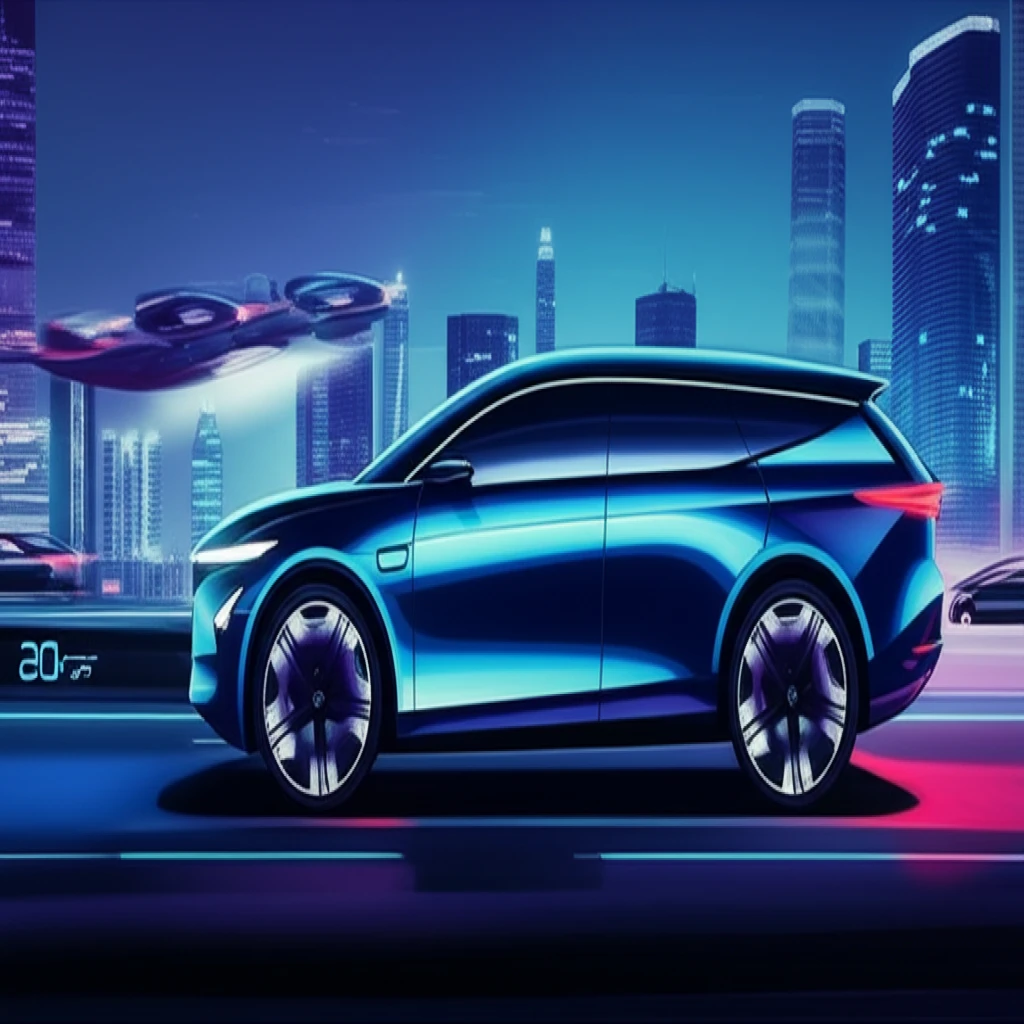
The automotive industry is a dynamic landscape, constantly evolving with groundbreaking innovations and shifting consumer demands. As we approach 2025, several key trends are set to redefine how we interact with our vehicles, from the powertrain to the in-cabin experience. Understanding these developments isn't just for industry insiders; it's crucial for anyone considering a new car or simply curious about the future of transportation. Let's dive into the top 6 car trends that will shape the roads of tomorrow.
Electric Vehicles (EVs) are no longer a niche market; they are mainstream. In 2025, we'll see a continued surge in EV adoption, driven by improved battery technology offering longer ranges and faster charging times. The variety of models, from compact city cars to robust SUVs and even electric trucks, will expand significantly, making EVs accessible to a broader audience. Government incentives and a rapidly expanding charging infrastructure will further fuel this growth.
When considering an EV, look beyond just range. Evaluate charging options at home and along your common routes. Many new models offer bi-directional charging, allowing your car to power your home during outages – a feature worth exploring.
Think of your next car as a smartphone on wheels. Software-Defined Vehicles (SDVs) mean that a car's features and performance are increasingly managed and updated through software, often over-the-air (OTA). Artificial Intelligence (AI) will be deeply integrated, enhancing everything from predictive maintenance and personalized infotainment to advanced driver-assistance systems (ADAS). Your car will learn your preferences, anticipate your needs, and continuously improve its capabilities.
When researching new cars, inquire about OTA update capabilities and the extent of AI integration. A truly smart vehicle offers a personalized and evolving experience, rather than a static one.
While fully autonomous vehicles are still a way off for mass market, 2025 will see significant advancements in ADAS features. Expect more sophisticated adaptive cruise control, enhanced lane-keeping assistance, automated parking systems, and improved collision avoidance. These systems will become more intuitive and reliable, moving closer to Level 3 autonomy in specific driving conditions, where the vehicle can handle most driving tasks but still requires human oversight.
Familiarize yourself with the ADAS features offered in new models. Understanding their capabilities and limitations is key to using them safely and effectively. Always remember, even advanced systems require driver attention.
Environmental consciousness is driving innovation not just in powertrains but also in manufacturing and interior design. Expect to see a wider use of sustainable and recycled materials in car interiors, from vegan leather and recycled plastics to natural fibers and responsibly sourced wood. Manufacturers are also embracing circular economy principles, designing vehicles for easier recycling and re-use of components at the end of their life cycle, minimizing waste and resource consumption.
If sustainability is important to you, research brands that prioritize eco-friendly manufacturing processes and offer interior options made from recycled or sustainable materials. Many brands now highlight these efforts.
The car interior is transforming into a personalized sanctuary. 2025 will bring more options for customization, from adaptive mood lighting that adjusts to your biometric data to augmented reality (AR) head-up displays that seamlessly blend digital information with the real world. Health and wellness features, such as air purification systems, stress-reducing ambient sounds, and even integrated fitness trackers, will become more common, elevating the overall driving and passenger experience.
During a test drive, pay close attention to the infotainment system, seat comfort, and available personalization options. The 'feel' of the cabin and how it caters to your individual needs will be a significant factor in future car satisfaction.
Connectivity will go beyond just syncing your smartphone. Vehicle-to-Everything (V2X) communication will become more prevalent, allowing cars to communicate with each other (V2V), with infrastructure (V2I like traffic lights), and even with pedestrians (V2P). This real-time data exchange promises to improve traffic flow, enhance safety, and enable new services like smart parking and predictive navigation, further integrating vehicles into our smart cities.
Consider the connectivity options available in new vehicles. Robust built-in connectivity can provide real-time updates, enhanced safety features, and a smoother integration with smart home devices and city infrastructure.
The automotive landscape in 2025 will be more innovative, connected, and sustainable than ever before. From electrified powertrains and AI-driven intelligence to personalized interiors and seamless connectivity, these trends are converging to offer a driving experience that is safer, more efficient, and deeply integrated into our digital lives. Staying informed about these shifts empowers you to make smarter choices and embrace the exciting future of mobility.
 October 11
Discover the top 10 car trends for 2025, from electric vehicle innovations and sustainable materials to futuristic design and smart tech. Stay ahead of the curve!
 October 16
Discover the top 10 automotive trends shaping 2025, from electric advancements to personalized tech. Get insights into future car design, sustainability, and connectivity.
 October 16
Explore the top 10 car trends for 2025, from electric vehicles to AI integration. Stay ahead with examples and practical tips for car enthusiasts.