
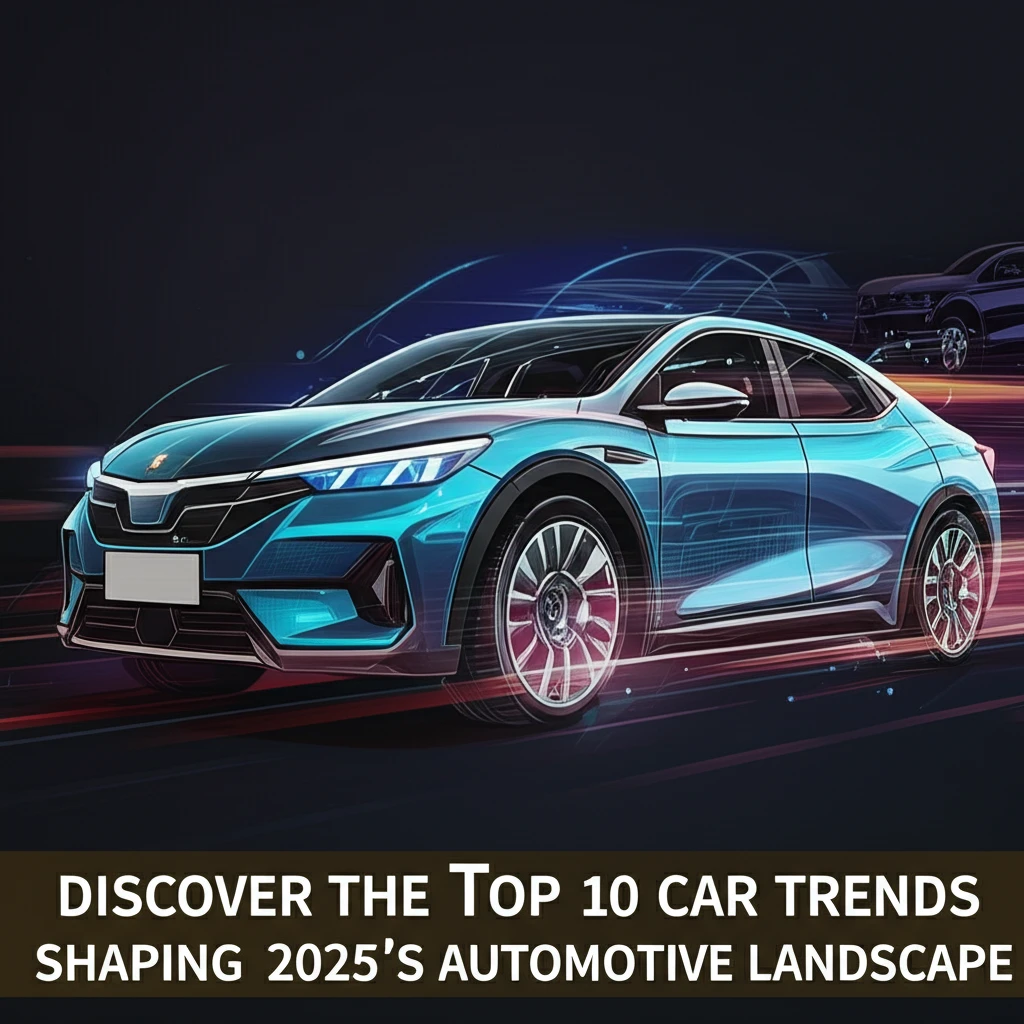
Discover the Top 10 Car Trends Shaping 2025's Automotive Landscape
The automotive industry is in constant motion, evolving at an unprecedented pace. As we race towards 2025, a clear vision of the future of cars is emerging, driven by technological innovation, environmental consciousness, and changing consumer demands. Forget just getting from A to B; tomorrow's vehicles are set to redefine our driving experience, offering more connectivity, sustainability, and personalization than ever before.
From the hum of electric powertrains to the sophistication of artificial intelligence, the trends for 2025 promise a thrilling ride. Whether you're a car enthusiast, a potential buyer, or simply curious about what's next, understanding these shifts is key. Let's buckle up and explore the ten most significant car trends that will dominate the roads in 2025.
The Dawn of a New Era: Understanding Automotive Evolution
The car is no longer just a machine; it's a mobile hub, a statement of personal style, and a testament to human ingenuity. The "fashion" of cars for 2025 isn't just about aesthetics; it's about the convergence of form, function, and cutting-edge technology. This blend creates vehicles that are smarter, greener, and more integrated into our digital lives.
Top 10 Car Trends Shaping 2025
1. Electric Vehicle (EV) Dominance and Diversification
The electric revolution is no longer a distant dream but a present reality. By 2025, EVs will not only be more numerous but also incredibly diverse. We'll see everything from high-performance electric sports cars and rugged electric trucks to affordable urban commuters and family-friendly electric SUVs. The focus will be on extended range, faster charging times, and a more robust charging infrastructure.
- Example: Mainstream adoption of 800V architectures for ultra-fast charging, bringing 10-80% charge times down to 15-20 minutes.
- Practical Tip: When considering an EV, research local charging networks and government incentives. Don't just look at range, but also charge speed and availability of DC fast chargers.
2. Advanced Autonomous Driving Features
While fully self-driving cars for everyone might still be a few years away, 2025 will see significant advancements in Level 2+ and Level 3 autonomous features. This includes highly sophisticated adaptive cruise control, lane-keeping assistance that can handle complex merges, and even automated parking systems that require minimal driver intervention. The emphasis is on enhancing safety and reducing driver fatigue.
- Example: Systems that can perform hands-free driving on highways, with the car taking over acceleration, braking, and steering under specific conditions.
- Practical Tip: Always understand the limitations of these systems. They are driver aids, not replacements for human attention.
3. AI-Powered Personalization & Connectivity
Artificial Intelligence will transform the car into a truly personalized space. AI will learn your preferences, from your favorite music and climate settings to your common routes and driving style. Integrated voice assistants will become more natural and capable, controlling everything from navigation to smart home devices. Over-the-air (OTA) updates will keep systems current and introduce new features.
- Example: Predictive maintenance alerts based on AI analysis of driving patterns and vehicle diagnostics, or infotainment systems that anticipate your needs based on your schedule.
- Practical Tip: Explore the customization options offered by manufacturers. Many allow you to set driver profiles that adapt the car's settings to individual users.
4. Sustainable & Eco-Friendly Materials
Beyond electric powertrains, the interior and exterior of cars will increasingly feature sustainable materials. This includes recycled plastics, vegan leather made from plant-based sources, innovative composites, and even materials like cork or bamboo. Manufacturers are striving to reduce their carbon footprint throughout the entire vehicle lifecycle.
- Example: Interiors using fabrics made from recycled PET bottles or dashboards incorporating natural fibers.
- Practical Tip: Look for brands that highlight their commitment to sustainability in their material choices. This often reflects a broader environmental philosophy.
5. Radical Exterior & Interior Design
The freedom offered by EV platforms (no large engine block, smaller batteries) is leading to revolutionary design. Expect more aerodynamic shapes, minimalist and lounge-like interiors, and customizable ambient lighting. Digital displays will replace many physical buttons, creating cleaner, more futuristic cabins. The concept of the car as a "third living space" will influence interior comfort and aesthetics.
- Example: Seamless exterior surfaces with flush door handles and camera-based side mirrors, combined with expansive panoramic glass roofs.
- Practical Tip: Test drive cars with innovative interior layouts. What looks good in pictures might not be practical for your daily use.
6. Software-Defined Vehicles (SDVs)
Cars are becoming computers on wheels. Software-defined vehicles will allow manufacturers to introduce new features, improve performance, and fix issues through OTA updates, much like a smartphone. This means your car can get better over time without visiting a service center, potentially even unlocking new functionalities through subscription models.
- Example: Activating enhanced driver assistance features or increased horsepower through an annual software subscription.
- Practical Tip: Understand which features in a new car are software-dependent and if they come with ongoing subscription costs.
7. Enhanced Health & Wellness Features
Future cars will prioritize occupant well-being. Expect advanced air filtration systems to combat pollutants, mood-enhancing ambient lighting, and even integrated health monitoring (e.g., heart rate sensors in steering wheels). Features designed to reduce stress, improve focus, and offer a more serene travel experience will become more common.
- Example: Cabin air quality systems that filter out viruses and allergens, or seats with massage functions and climate control linked to biometric data.
- Practical Tip: Evaluate if these features genuinely enhance your comfort and health, especially if you spend a lot of time in your car.
8. Integrated Smart City Connectivity
Cars in 2025 will be more connected to their environment. Vehicle-to-everything (V2X) communication will allow cars to talk to traffic lights, other vehicles, and road infrastructure. This can improve traffic flow, reduce accidents, and even help you find parking more efficiently. Smart city integration will make urban driving smoother and safer.
- Example: Your car receiving real-time information about upcoming traffic jams or green light timing from city infrastructure.
- Practical Tip: While V2X is infrastructure-dependent, understanding its potential highlights the increasing intelligence of modern vehicles.
9. Hyper-Personalization Options
Beyond AI learning your preferences, actual physical customization will become more prevalent. From bespoke paint colors and interior trims to modular components that can be swapped out, consumers will have more say in making their car uniquely theirs. Digital dashboards and infotainment screens will also offer extensive personalization.
- Example: Customizable digital instrument clusters, or even subscription services for different interior scents or ambient lighting themes.
- Practical Tip: Explore manufacturer configurators online to see the extent of personalization available for new models.
10. Subscription-Based Access & Mobility Services
The model of car ownership itself is evolving. Beyond traditional buying, 2025 will see a rise in subscription-based car services, where you pay a monthly fee for access to a fleet of vehicles. Feature-on-demand subscriptions (as mentioned in SDVs) will also become more common, allowing you to activate premium features only when you need them.
- Example: A monthly subscription that gives you access to a compact car for daily commutes, and a larger SUV for weekend trips.
- Practical Tip: Evaluate if a car subscription or feature-on-demand model aligns better with your lifestyle and budget than traditional ownership.
Staying Ahead of the Curve
The automotive landscape of 2025 promises to be dynamic and exciting. These trends underscore a shift towards more intelligent, sustainable, and user-centric vehicles. As technology continues to push boundaries, the cars we drive will not only become more efficient and safe but also deeply integrated into our digital lives, offering unparalleled levels of comfort and personalization.
Embrace these changes, stay informed, and prepare for a future where your car is truly an extension of yourself, a testament to the innovative spirit of modern engineering and design.

