Top 10 Auto Show Trends for 2025: Shaping the Future of Mobility
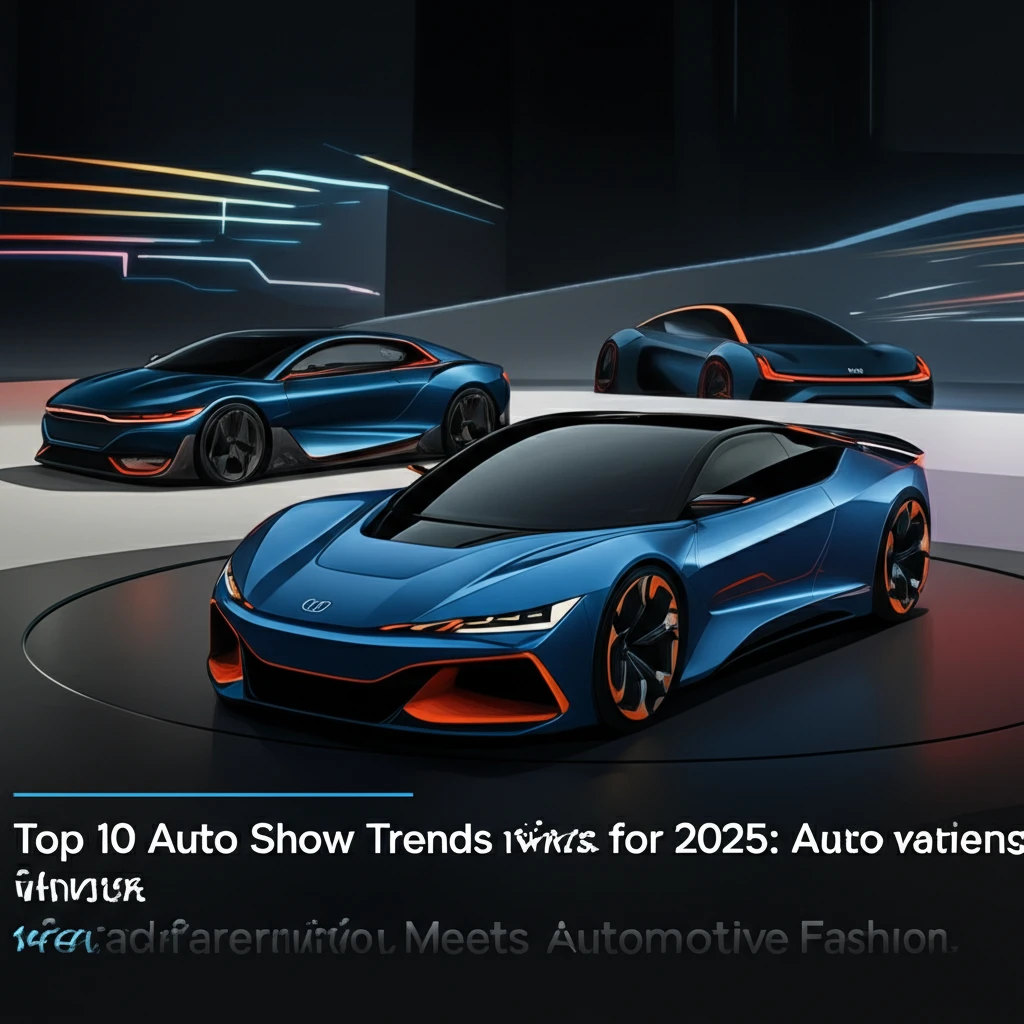
Auto shows have always been more than just exhibitions of shiny new cars; they are crystal balls into the future of transportation, technology, and design. As we approach 2025, the automotive landscape is undergoing a revolutionary transformation. From electric powertrains to intelligent cabins and sustainable materials, the upcoming auto shows promise a glimpse into an era where cars are not just vehicles but integrated extensions of our digital and eco-conscious lives.
This article dives deep into the top 10 automotive trends that are set to dominate the stages of major auto shows in 2025. Prepare to discover the innovations, the design philosophies, and the technological marvels that will define the next generation of cars.
Decoding the Future: Top 10 Auto Show Trends for 2025
1. Electrification Evolution: Beyond the Battery
While EVs are no longer new, 2025 will see manufacturers push the boundaries of electric vehicle technology further. Expect to see advancements in battery density, ultra-fast charging capabilities (think minutes, not hours), and more robust vehicle-to-grid (V2G) solutions. Auto shows will highlight not just new EV models but entire electric ecosystems.
Example: Concepts showcasing modular battery swaps or integrated solar charging roofs.
Practical Tip: When evaluating new EVs, look beyond just range. Consider charging infrastructure compatibility, battery warranty, and the vehicle's energy management features.
2. The Rise of Advanced Autonomous Capabilities (Level 3 & 4)
Autonomous driving will move beyond driver-assistance features to more sophisticated Level 3 (conditional automation) and Level 4 (high automation) systems. Auto shows will feature vehicles capable of handling complex driving scenarios without constant human intervention in specific conditions.
Example: Demonstrations of hands-free highway driving or fully automated valet parking systems.
Practical Tip: Understand that even advanced systems have limitations. Always be prepared to take control, and research the legalities of autonomous driving in your region.
3. Sustainable Materials & Circular Manufacturing
The emphasis on sustainability extends beyond the powertrain to the entire lifecycle of a vehicle. Expect to see innovative uses of recycled plastics, plant-based leathers, natural fibers, and even upcycled carbon fiber in interiors and exteriors. Manufacturers will also highlight carbon-neutral production processes.
Example: Interiors upholstered with mushroom leather or dashboards made from recycled fishing nets.
Practical Tip: Inquire about the origin and recyclability of materials. A truly sustainable vehicle considers its environmental footprint from production to end-of-life.
4. Immersive & Intuitive In-Car Digital Experiences
The automotive cabin is transforming into a personalized digital hub. Auto shows will display advanced infotainment systems, augmented reality head-up displays (AR-HUDs), biometric security features, and seamless integration with smart home ecosystems.
Example: Gesture controls for infotainment, AR navigation projected onto the windshield, or facial recognition for vehicle access.
Practical Tip: Prioritize systems that offer intuitive interfaces and over-the-air (OTA) update capabilities to ensure your vehicle's technology remains current.
5. Personalized & Customizable Interiors
Moving away from one-size-fits-all, future interiors will offer unprecedented levels of personalization. Modular seating arrangements, dynamic ambient lighting that adapts to mood, and digital display themes will allow drivers to tailor their space.
Example: Seats that reconfigure for work or relaxation, or interior panels with swappable textures and colors.
Practical Tip: Consider how much true customization a vehicle offers versus pre-set options. Look for practical solutions that enhance comfort and utility.
6. Aerodynamic & Futuristic Exterior Design (Automotive Design Trends)
Automotive design will continue its sleek evolution, driven by the need for aerodynamic efficiency in EVs and the aesthetic appeal of a modern, uncluttered look. Expect seamless bodywork, active aerodynamic elements, and distinctive light signatures that double as communication tools.
Example: Vehicles with hidden door handles, camera-based side mirrors, and dynamic grille designs that open/close.
Practical Tip: Appreciate the blend of form and function. Good design in 2025 often means improved efficiency and safety.
7. Vehicle-to-Everything (V2X) Connectivity
Cars will become integral nodes in a larger connected network, communicating with other vehicles (V2V), infrastructure (V2I), pedestrians (V2P), and the grid (V2G). This enhanced connectivity promises greater safety, efficiency, and real-time traffic management.
Example: Cars receiving real-time warnings about upcoming road hazards from infrastructure or other vehicles.
Practical Tip: Understand how these systems can enhance your driving safety and inform your route planning, especially in smart cities.
8. Urban Mobility Solutions & Compact EVs
Addressing the challenges of urbanization, auto shows will present a plethora of compact and highly maneuverable urban mobility solutions. Expect innovative micro-mobility concepts, modular vehicles, and small-footprint EVs designed for congested city environments.
Example: Two-seater EVs with swappable body parts for different urban uses, or shared autonomous pods.
Practical Tip: If you're a city dweller, evaluate these concepts for their practicality, parking ease, and adaptability to various transport needs.
9. Subscription-Based Features & Services
The trend of unlocking vehicle features or accessing services through subscriptions will become more prevalent. From on-demand performance upgrades to heated seats or advanced safety features, flexibility will be key.
Example: Activating a temporary performance boost for a weekend trip, or subscribing to advanced driver-assist features as needed.
Practical Tip: Carefully calculate the long-term cost of subscriptions versus purchasing features outright. Consider what truly adds value to your driving experience.
10. Hydrogen Fuel Cell Advancements
While EVs dominate, hydrogen fuel cell electric vehicles (FCEVs) continue to evolve, especially for larger vehicles and those requiring rapid refueling. Auto shows will highlight new fuel cell architectures offering increased efficiency, longer range, and smaller packaging.
Example: Next-generation FCEV SUVs or light commercial vehicles boasting impressive range and quick refueling times.
Practical Tip: Keep an eye on regional hydrogen infrastructure development. FCEVs offer a compelling alternative where hydrogen refueling stations are available.
Tips for Attending Auto Shows in 2025
To make the most of your auto show experience and truly grasp these trends:
- Plan Ahead: Research which manufacturers are presenting concepts related to these trends.
- Engage with Experts: Don't just look; talk to the product specialists and engineers.
- Look Beyond the Shine: While aesthetics are important, inquire about the technology and materials beneath the surface.
- Consider Your Needs: Think about how these emerging trends might impact your future driving experience and vehicle choices.
Conclusion
The auto shows of 2025 are poised to be pivotal events, showcasing a future where automotive technology, design, and sustainability converge. These ten trends illustrate a shift towards more intelligent, eco-friendly, and user-centric vehicles. Whether you're an automotive enthusiast, a prospective buyer, or simply curious about the future, keeping an eye on these developments will provide valuable insight into the exciting road ahead for mobility.