Top 10 Automotive Industry News Trends for 2025: Navigating the Future of Mobility
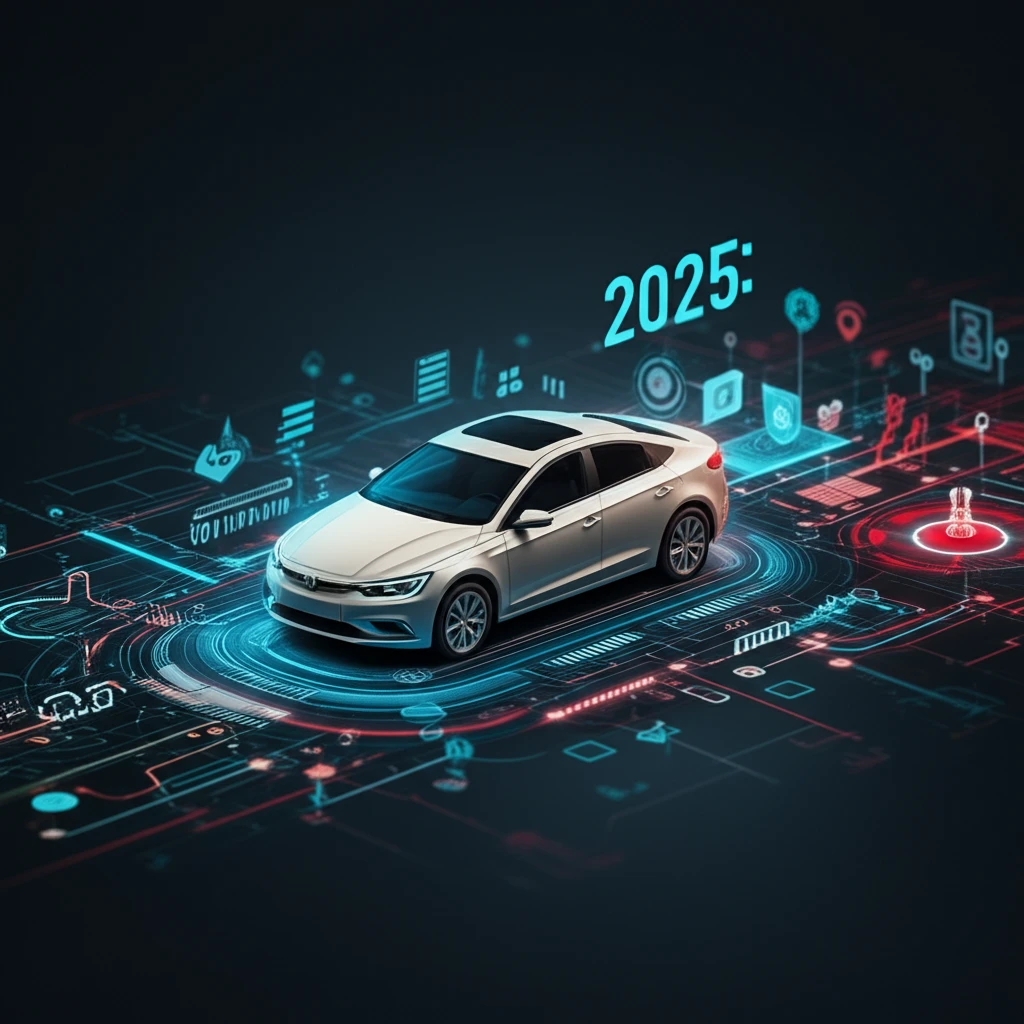
The automotive industry is in a perpetual state of transformation, driven by technological innovation, evolving consumer demands, and a global push towards sustainability. As we approach 2025, several key trends are set to redefine how vehicles are designed, manufactured, sold, and used. Understanding these shifts is crucial for industry professionals, investors, and enthusiasts alike.
This article delves into the top 10 automotive industry news trends for 2025, offering insights into what to expect and practical tips for navigating this exciting landscape.
1. Accelerating Electrification and Battery Innovation
The transition to electric vehicles (EVs) continues at an unprecedented pace. In 2025, expect to see an even greater variety of EV models, including more affordable options and specialized segments like electric trucks and SUVs. Battery technology will be a major focus, with advancements in solid-state batteries promising faster charging, longer range, and increased safety. Manufacturers will also prioritize sustainable sourcing of materials and improved recycling processes for batteries.
Tip for Readers: When considering an EV, research not just range and price, but also charging infrastructure availability in your area and potential battery degradation over time.
2. Advanced Autonomous Driving Capabilities
While fully self-driving cars (Level 5) are still some years away, 2025 will see significant progress in Level 2+ and Level 3 autonomous systems. These systems will offer more sophisticated highway driving assistance, automatic lane changes, and improved urban navigation capabilities. Regulatory frameworks will also begin to catch up, setting clearer guidelines for the deployment and liability of autonomous features.
Tip for Readers: Familiarize yourself with the different levels of autonomous driving. Even advanced systems require driver attention and intervention in certain situations.
3. Software-Defined Vehicles (SDV) and Over-the-Air Updates
Vehicles are becoming increasingly software-centric. By 2025, more cars will be built with a flexible electrical/electronic architecture, allowing for over-the-air (OTA) updates for everything from performance enhancements and new features to security patches. This will enable subscription-based services for premium features, creating new revenue streams for automakers.
Tip for Readers: Embrace OTA updates. They can improve your vehicle's performance and safety, and even add new functionalities without a trip to the dealership.
4. Enhanced Connectivity and In-Car Experiences
Connected car technology will become standard, offering seamless integration with smart homes, enhanced infotainment systems, and advanced telematics. Expect more personalized in-car experiences, integrated voice assistants, and robust cybersecurity measures to protect vehicle data and privacy.
Tip for Readers: Explore the connectivity features offered in new vehicles. Many can improve convenience, safety, and entertainment during your commute.
5. Sustainable Manufacturing and Supply Chains
Environmental concerns are driving automakers to adopt more sustainable practices throughout their value chain. This includes using recycled and bio-based materials, optimizing manufacturing processes to reduce waste and energy consumption, and ensuring ethical sourcing of raw materials. The focus on a circular economy will intensify.
Tip for Readers: Look for manufacturers with strong sustainability commitments when making purchasing decisions, as this reflects a broader trend towards responsible production.
6. The Rise of Mobility-as-a-Service (MaaS)
Traditional car ownership models are being challenged by the growth of Mobility-as-a-Service (MaaS). In 2025, more integrated platforms will emerge, offering seamless access to various transportation options – from ride-sharing and car-sharing to public transport and micromobility solutions – often managed through a single app. This aims to reduce congestion and promote multimodal travel.
Tip for Readers: Consider integrating MaaS options into your daily commute. It can be a cost-effective and environmentally friendly alternative to full car ownership.
7. Advancements in Automotive Cybersecurity
As vehicles become more connected and software-dependent, the threat of cyberattacks grows. 2025 will see increased investment in robust cybersecurity measures, from secure coding practices and intrusion detection systems to over-the-air security updates, to protect against hacking and data breaches.
Tip for Readers: Keep your vehicle's software updated. Manufacturers often release patches to address potential security vulnerabilities.
8. Digital Retail and Personalized Customer Journeys
The car buying experience is undergoing a digital revolution. Online configurators, virtual showrooms, and personalized digital interactions will become standard. Dealerships will evolve into experience centers, focusing more on test drives, service, and brand immersion rather than traditional sales pitches.
Tip for Readers: Take advantage of online tools to research and configure your next vehicle. This can streamline the purchasing process significantly.
9. Focus on Lightweighting and Advanced Materials
To improve fuel efficiency (for ICE vehicles) and extend EV range, lightweighting remains a critical trend. Expect increased use of advanced materials like carbon fiber composites, high-strength steel, and aluminum alloys. Research into smart materials that can self-heal or change properties will also gain momentum.
Tip for Readers: While not always visible, lightweighting contributes significantly to vehicle performance and efficiency. It's a key engineering focus.
10. Geopolitical Impacts on Supply Chain Resilience
Recent global events have highlighted the fragility of automotive supply chains. In 2025, companies will continue to prioritize diversification of suppliers, regionalization of manufacturing, and the implementation of advanced analytics to predict and mitigate supply chain disruptions caused by geopolitical tensions, natural disasters, or other unforeseen events.
Tip for Readers: Be aware that global events can impact vehicle availability and pricing. Flexibility in model or feature choices can sometimes expedite delivery.
Conclusion
The automotive industry in 2025 promises to be a dynamic and exciting sector. From the continued march of electrification and autonomous technology to fundamental shifts in how cars are bought and owned, these trends underscore a future where mobility is smarter, cleaner, and more integrated into our daily lives. Staying informed about these developments will empower consumers and industry players alike to navigate the evolving landscape successfully.