Top 10 Car Trends Shaping 2025: Style, Tech, and Sustainability on the Road
Discover the top 10 car trends for 2025, from electric vehicle innovations and sustainable materials to futuristic design and smart tech. Stay ahead of the curve!

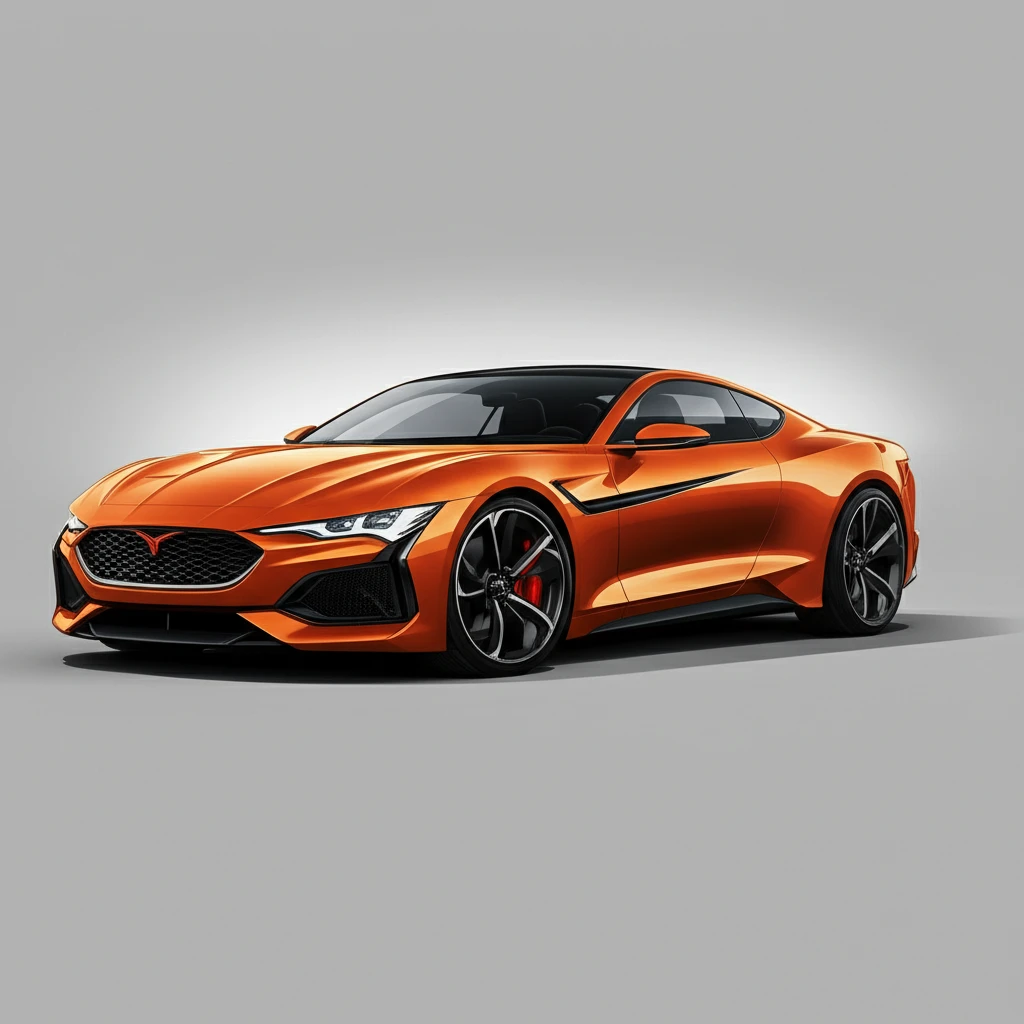
The automotive landscape is in a constant state of flux, and 2025 promises a thrilling blend of innovation, sustainability, and unparalleled driving experiences. As we move closer to a more connected and conscious world, the cars of tomorrow are set to redefine how we commute, connect, and interact with our vehicles. From electric revolutions to AI-powered co-pilots, get ready to explore the top 10 car trends that will dominate the roads and capture the imagination in 2025.
Electric Vehicles (EVs) are no longer a niche; they are the mainstream. In 2025, expect an explosion of more affordable models, significantly faster charging times, and extended ranges that make 'range anxiety' a thing of the past. The focus will shift from just building EVs to optimizing their performance, integrating them with smart grids, and making them accessible to a wider demographic.
Cars will become even smarter, integrating seamlessly with our digital lives. Advanced AI will power intuitive voice assistants, predictive maintenance alerts, and personalized entertainment systems. Vehicles will learn your preferences, anticipate your needs, and offer proactive solutions, transforming driving into a truly personalized experience.
Eco-consciousness will continue to drive material choices in automotive design. Expect to see widespread use of recycled plastics, vegan leather alternatives, plant-based composites, and even upcycled materials in interiors and exteriors. Manufacturers will also push for more sustainable production processes, reducing waste and energy consumption.
From dynamic interior ambient lighting to customizable drive modes, cars will adapt to individual preferences more than ever before. Customization options will extend far beyond paint colors, allowing owners to personalize everything from digital dashboard layouts to bespoke interior configurations, often through over-the-air software updates.
Design trends will blend nostalgic aesthetics with cutting-edge technology. Expect iconic shapes and classic automotive motifs to be reimagined for the electric and digital age, creating vehicles that are both timeless and forward-thinking.
While full Level 5 autonomy may still be a distant dream, Level 2 and Level 3 autonomous driving features will become increasingly commonplace. These systems offer sophisticated assisted driving on highways, in traffic jams, and even in certain urban scenarios, significantly reducing driver fatigue and enhancing safety.
Physical buttons will continue to fade into obsolescence as large, intuitive touchscreens, holographic displays, and augmented reality interfaces take over the dashboard. These integrated digital cockpits will offer a seamless user experience, putting all essential information and controls at the driver's fingertips or within their line of sight.
Cars will increasingly integrate technology focused on passenger well-being. This includes advanced cabin air filtration systems, sophisticated driver fatigue monitoring, and even features designed to reduce stress, such as adaptive ambient lighting, soundscapes, and integrated massage functions.
Design will be optimized not just for aesthetics but primarily for aerodynamic efficiency, which is crucial for extending EV range and improving fuel economy for internal combustion engine (ICE) vehicles. Expect sleeker profiles, flush door handles, active aerodynamic elements (like adjustable spoilers), and innovative wheel designs.
The traditional model of car ownership will face increasing competition from flexible access options. Subscription services, car-sharing platforms, and on-demand mobility solutions will offer consumers greater flexibility, allowing them to switch vehicles, avoid maintenance hassles, and only pay for what they use.
2025 is poised to be a landmark year for automotive innovation. These trends collectively paint a picture of a smarter, greener, and more connected future on wheels. Whether you're an enthusiast eagerly anticipating the next technological leap or a daily commuter seeking more efficient and enjoyable travel, the evolving world of cars offers exciting prospects for enhanced experiences and sustainable mobility. The road ahead is certainly going to be an interesting one!
 October 11
Discover the top 10 car trends for 2025, from electric vehicle innovations and sustainable materials to futuristic design and smart tech. Stay ahead of the curve!
 October 16
Discover the top 10 automotive trends shaping 2025, from electric advancements to personalized tech. Get insights into future car design, sustainability, and connectivity.
 October 16
Explore the top 10 car trends for 2025, from electric vehicles to AI integration. Stay ahead with examples and practical tips for car enthusiasts.