Top 10 Car Trends Shaping 2025: Style, Tech, and Sustainability on the Road
Discover the top 10 car trends for 2025, from electric vehicle innovations and sustainable materials to futuristic design and smart tech. Stay ahead of the curve!

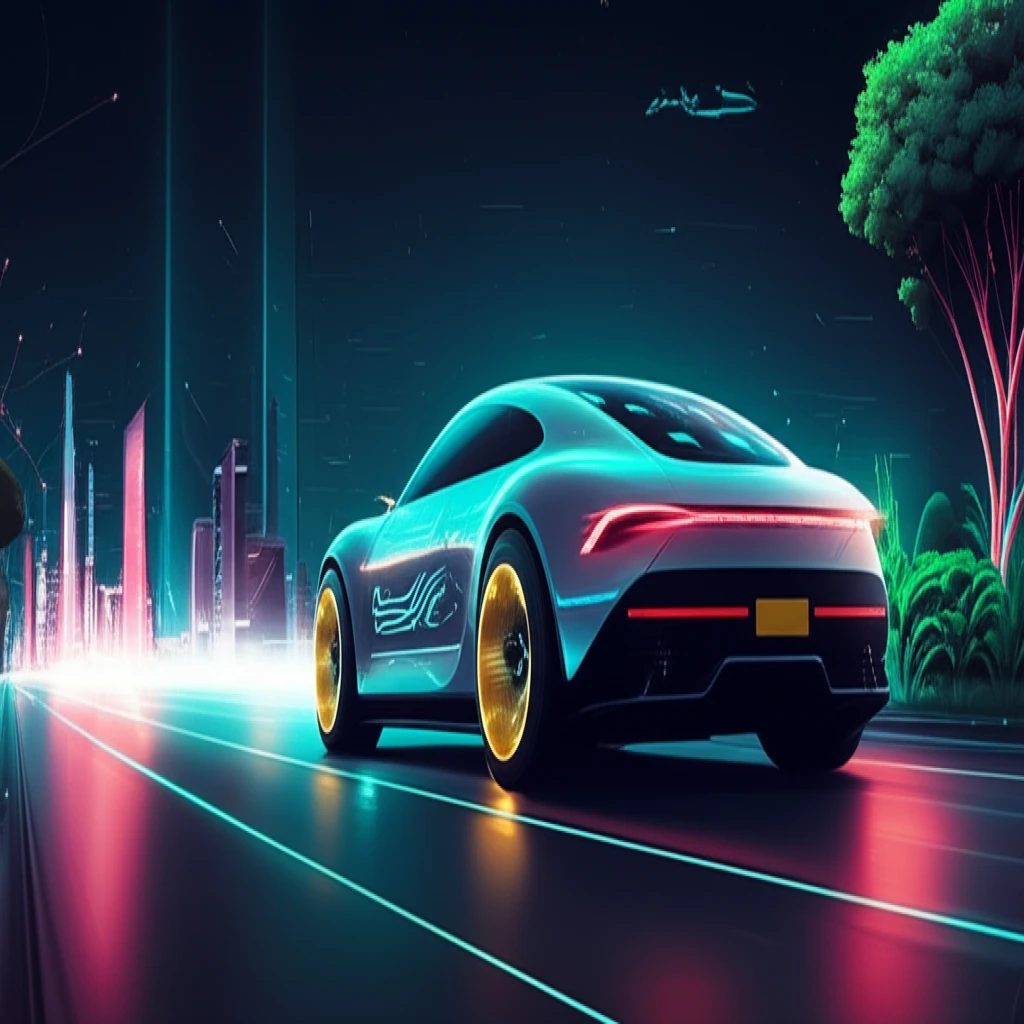
The automotive landscape is perpetually evolving, driven by innovation, consumer demand, and a global push towards sustainability. As we approach 2025, a wave of exciting trends is set to redefine how we drive, interact with our vehicles, and perceive personal mobility. From groundbreaking technology to sustainable design, the cars of tomorrow promise a more connected, efficient, and exhilarating experience. This article delves into the top 10 car trends that will shape the automotive world in 2025, offering insights, examples, and practical tips for what to expect.
2025 isn't just another year; it marks a significant pivot point for the automotive industry. Manufacturers are accelerating their efforts in electrification, autonomous driving, and digital integration. These shifts are not merely incremental improvements but represent fundamental changes in vehicle design, functionality, and ownership models. Understanding these trends is crucial for both car enthusiasts and everyday drivers.
The rise of Electric Vehicles is undeniable, and by 2025, they are expected to be a dominant force on the roads. Advances in battery technology will lead to longer ranges (e.g., 500+ miles on a single charge) and significantly faster charging times. More affordable models will hit the market, making EVs accessible to a broader audience.
While fully autonomous vehicles are still a few years away, 2025 will see ADAS reaching new levels of sophistication. Features like advanced adaptive cruise control, lane-keeping assistance, automated parking, and traffic jam assist will become more common and refined, enhancing safety and reducing driver fatigue.
Cars in 2025 will be more connected than ever. Integrated 5G capabilities will enable faster data transfer for navigation, entertainment, and over-the-air updates. Vehicles will seamlessly integrate with smart homes, mobile devices, and wearable tech, creating a unified digital ecosystem.
Beyond electric powertrains, the focus on sustainability will extend to the materials used in car production. Expect more recycled plastics, plant-based leathers, and innovative composites that reduce environmental impact throughout the vehicle's lifecycle.
Cars will adapt to individual drivers more than ever. AI-powered systems will learn preferences for seat position, climate control, music, and even driving modes, creating a highly customized experience from the moment you enter the vehicle.
The concept of 'feature-on-demand' will gain traction. Owners might subscribe to unlock higher performance modes, advanced navigation, heated seats, or enhanced safety features, transforming cars into software-defined platforms.
Car designs will become even more sleek and aerodynamic, primarily driven by the need to maximize EV range and efficiency. Expect flowing lines, flush door handles, and integrated lighting signatures that create a futuristic aesthetic.
Safety will remain paramount, with new innovations continuously emerging. This includes advanced pedestrian and cyclist detection systems, vehicle-to-everything (V2X) communication for accident prevention, and even interior cabin monitoring to detect drowsy or distracted drivers.
Key fobs might become a thing of the past for some. Biometric authentication, such as fingerprint scanners or facial recognition, will be used to unlock and start vehicles, offering enhanced security and personalized access.
V2X technology allows vehicles to communicate with other vehicles (V2V), infrastructure (V2I), pedestrians (V2P), and the cloud (V2C). This network enables real-time traffic updates, hazard warnings, optimized route planning, and ultimately safer and more efficient roads.
The car trends for 2025 paint a vivid picture of an automotive future that is more intelligent, sustainable, and intimately connected to our daily lives. From the quiet hum of electric motors to the seamless integration of digital assistants, vehicles are transforming from mere modes of transport into sophisticated mobile ecosystems. As these innovations become mainstream, drivers can look forward to experiences that are not only safer and more efficient but also profoundly personalized and enjoyable. The journey ahead is certainly an exciting one for the automotive world.
 October 11
Discover the top 10 car trends for 2025, from electric vehicle innovations and sustainable materials to futuristic design and smart tech. Stay ahead of the curve!
 October 16
Discover the top 10 automotive trends shaping 2025, from electric advancements to personalized tech. Get insights into future car design, sustainability, and connectivity.
 October 16
Explore the top 10 car trends for 2025, from electric vehicles to AI integration. Stay ahead with examples and practical tips for car enthusiasts.