Top 10 Car Trends Shaping 2025: Style, Tech, and Sustainability on the Road
Discover the top 10 car trends for 2025, from electric vehicle innovations and sustainable materials to futuristic design and smart tech. Stay ahead of the curve!

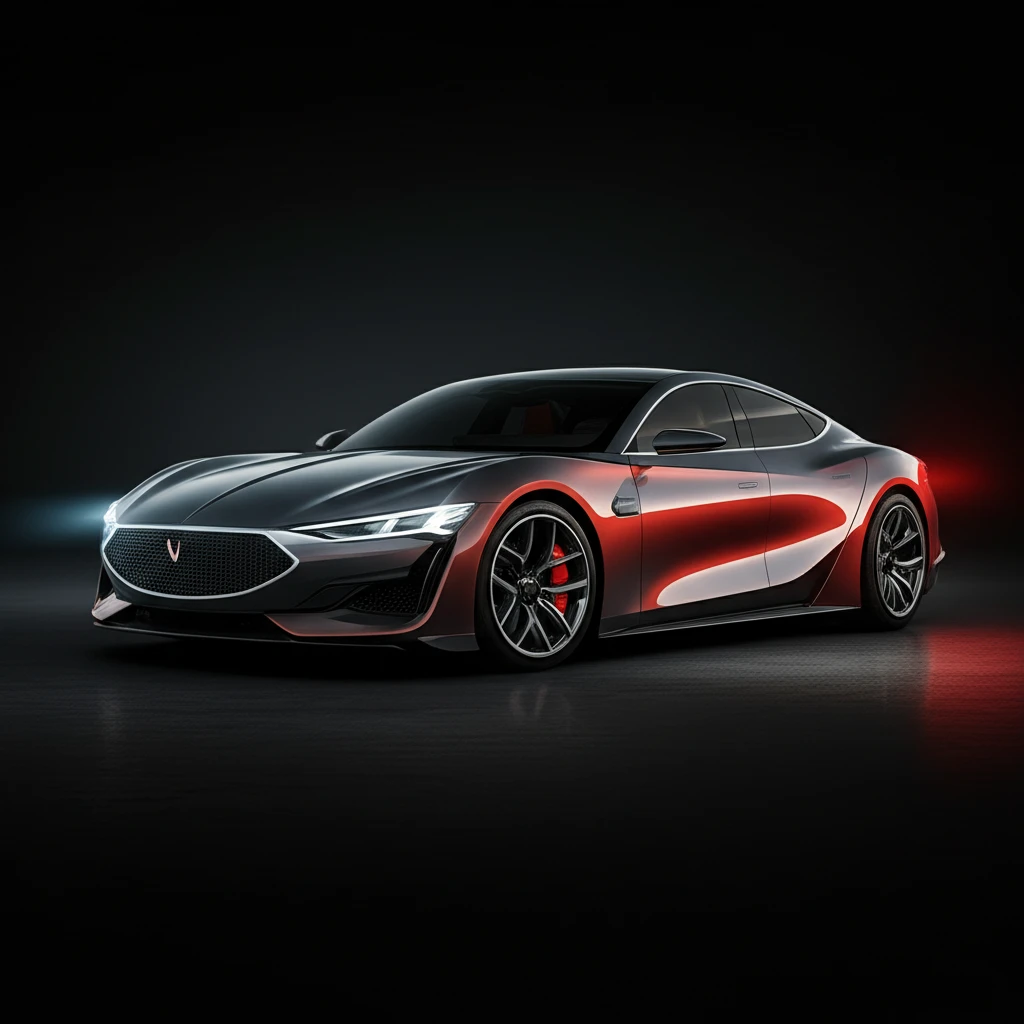
The automotive industry is in a constant state of evolution, driven by technological advancements, changing consumer preferences, and a global push towards sustainability. As we approach 2025, several exciting trends are set to redefine how we perceive, purchase, and interact with our vehicles. From revolutionary powertrains to immersive in-car experiences, understanding these shifts is crucial for enthusiasts and everyday drivers alike. Let's explore the top 10 car trends that will shape 2025 and beyond, bringing innovation, style, and practicality to the forefront of automotive fashion.
Electric Vehicles (EVs) are no longer a niche market; they are becoming the mainstream. In 2025, we'll see not just more EVs, but a much wider range of body types, price points, and capabilities. From high-performance electric sports cars to affordable compact city EVs and robust electric trucks, the market will cater to virtually every need. Expect significant improvements in battery technology, offering longer ranges and faster charging times, making range anxiety a thing of the past for many.
Example: New models like the Tesla Cybertruck reaching full production, alongside more affordable offerings from manufacturers like BYD and Volkswagen's ID series, expanding EV accessibility.
Artificial Intelligence (AI) will permeate every aspect of vehicle operation, from predictive maintenance to highly sophisticated infotainment systems. Autonomous driving features, while not yet fully Level 5 widespread, will become more advanced and reliable. Level 2+ and Level 3 systems, allowing hands-free driving in specific conditions, will be standard in many premium and even mid-range vehicles, offering enhanced safety and convenience.
Practical Tip: Familiarize yourself with your car's advanced driver-assistance systems (ADAS). Understanding features like adaptive cruise control and lane-keeping assist can greatly enhance your driving experience and safety.
The days of one-size-fits-all cars are fading. 2025 will see an explosion in personalization options, not just at the point of sale but throughout the vehicle's life. Software-defined vehicles will allow over-the-air updates to unlock new features, change interior lighting schemes, or even alter engine performance. Owners will have unprecedented control over their car's aesthetics and functionality, both inside and out.
Example: Digital dashboards that can be fully reconfigured, ambient lighting systems with millions of color choices, and subscription-based feature upgrades for infotainment or performance boosts.
Environmental consciousness extends beyond the powertrain. Manufacturers are increasingly adopting sustainable materials for interiors, such as recycled plastics, plant-based leathers, and even mushroom-derived composites. The focus is also shifting towards a circular economy, designing cars for easier recycling and repurposing of components at the end of their lifecycle, reducing waste and carbon footprint.
Practical Tip: When considering a new car, research manufacturers' sustainability initiatives and look for models that emphasize recycled or ethically sourced materials in their construction.
Cars in 2025 will be more connected than ever, acting as mobile extensions of our digital lives. Seamless integration with smart home devices, advanced voice assistants, and high-speed 5G connectivity will transform the cabin into a versatile space for work, entertainment, and communication. Expect augmented reality navigation and multi-screen displays to become more common.
Example: Being able to start your home's air conditioning from your car, video conferencing on the go, or streaming high-definition content to rear-seat passengers.
Design will continue to blend nostalgic elements with cutting-edge futuristic aesthetics. We'll see a return to simpler, cleaner lines reminiscent of classic cars, but interpreted through a modern lens with advanced lighting technology, aerodynamic shapes, and minimalist interiors. This 'retro-futurism' offers a unique blend of familiarity and innovation.
Example: Modern interpretations of iconic designs, like a sleek electric muscle car that subtly hints at 1960s aesthetics, or a compact EV with a playful, vintage-inspired silhouette.
Car ownership models are evolving. Beyond purchasing, subscription services will gain traction, offering access to a range of vehicles for a monthly fee, including insurance and maintenance. Mobility-as-a-Service (MaaS) platforms will integrate various transportation options – car-sharing, ride-hailing, public transit – into a single, seamless user experience, especially in urban centers.
Practical Tip: Evaluate if a car subscription service or using MaaS platforms aligns better with your lifestyle and budget, especially if you live in a city or don't drive frequently.
AR technology will move beyond simple head-up displays. Imagine windshields that project navigation instructions directly onto the road ahead, highlight potential hazards, or display points of interest in real-time. This technology promises to make driving safer, more intuitive, and highly engaging.
Example: Mercedes-Benz's MBUX AR navigation already hints at this future, projecting turn arrows onto live camera feeds displayed on the infotainment screen.
Cars will increasingly prioritize occupant well-being. Features like air purification systems, stress-reducing ambient lighting and soundscapes, ergonomic seating with massage functions, and even vital sign monitoring will become more common. The car will transform into a sanctuary, offering a healthy and comfortable environment on the go.
Practical Tip: Pay attention to interior materials and air quality features when test driving new cars, especially if you suffer from allergies or are sensitive to certain chemicals.
As urbanization continues, demand for efficient urban mobility solutions will grow. This includes a rise in compact, agile, and often electric vehicles designed for city living. Expect innovative designs that maximize interior space in smaller footprints, alongside micro-mobility integration for last-mile solutions.
Example: Compact EVs like the Smart EQ Fortwo, or even more radical concepts designed for specific urban environments, focusing on maneuverability and parking ease.
Navigating these rapid changes can be exciting. Here are a few practical tips to stay informed and make smart choices:
2025 promises to be a landmark year for automotive innovation and style. The trends outlined above paint a picture of a future where cars are smarter, greener, more personalized, and seamlessly integrated into our digital lives. Whether you're an early adopter or simply curious about what's next, these shifts will undoubtedly redefine the driving experience for everyone, making automotive fashion more dynamic and exciting than ever before.
 October 11
Discover the top 10 car trends for 2025, from electric vehicle innovations and sustainable materials to futuristic design and smart tech. Stay ahead of the curve!
 October 16
Discover the top 10 automotive trends shaping 2025, from electric advancements to personalized tech. Get insights into future car design, sustainability, and connectivity.
 October 16
Explore the top 10 car trends for 2025, from electric vehicles to AI integration. Stay ahead with examples and practical tips for car enthusiasts.