Top 10 Car Trends Shaping 2025: Style, Tech, and Sustainability on the Road
Discover the top 10 car trends for 2025, from electric vehicle innovations and sustainable materials to futuristic design and smart tech. Stay ahead of the curve!

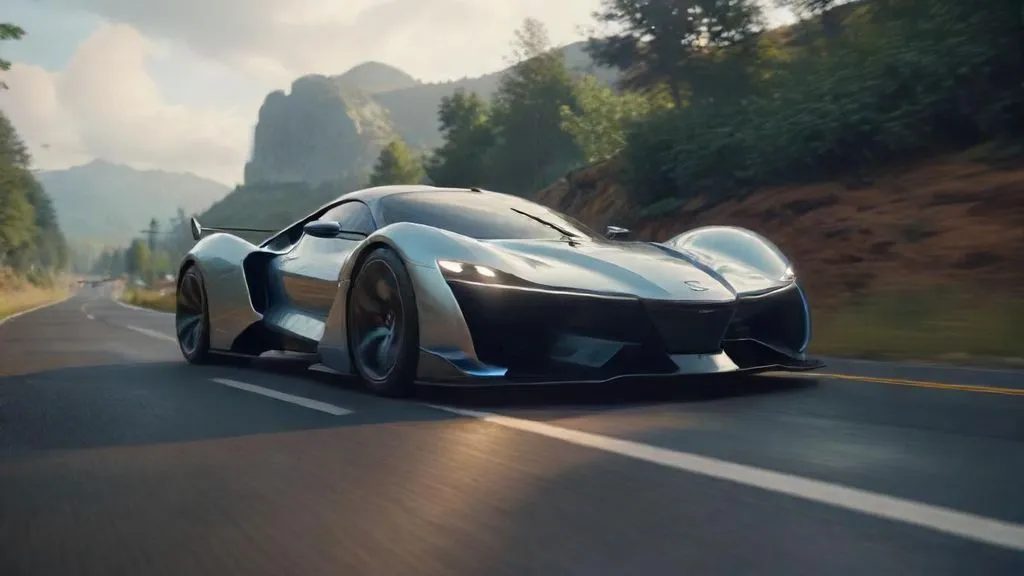
The automotive industry is in a perpetual state of evolution, driven by technological advancements, environmental concerns, and shifting consumer preferences. As we look towards 2025, several exciting trends are set to redefine our driving experience, car ownership, and even the very concept of mobility. From groundbreaking powertrain technologies to revolutionary interior designs, understanding these shifts is key for enthusiasts and potential car buyers alike.
This article delves into the top 10 car trends that will dominate the landscape in 2025, offering insights, examples, and practical tips to help you navigate the future of motoring. Get ready to explore the innovations that are not just changing cars, but shaping our world on wheels.
While electric vehicles (EVs) are already a significant presence, 2025 will see an acceleration in their development and adoption. This trend isn't just about more EVs, but about greater range, faster charging, and a broader variety of models catering to every segment. Manufacturers are investing heavily in solid-state battery technology, which promises lighter, more energy-dense, and safer batteries, potentially eliminating range anxiety once and for all.
Examples: Expect more mainstream models from brands like Volkswagen, Hyundai, and Toyota to offer robust EV lineups, alongside luxury offerings from Mercedes-Benz EQ and BMW i series. Pickup trucks and SUVs, once thought resistant to electrification, will see powerful and long-range electric variants from Ford, Rivian, and Chevrolet.
Practical Tip: When considering an EV, look beyond just range. Investigate charging infrastructure in your area, home charging options, and the vehicle's charging speed capabilities. Research government incentives and potential insurance benefits for EVs.
Fully autonomous vehicles (Level 5) might still be a few years off for general public use, but 2025 will bring significant advancements in Level 2+ and Level 3 autonomous driving features. These systems will offer enhanced highway driving assistance, automated parking, and even traffic jam pilot functions that allow drivers to temporarily disengage from driving under specific conditions. AI and sensor technology will make these systems more reliable and safer.
Examples: Features like Mercedes-Benz DRIVE PILOT, Cadillac Super Cruise, and Tesla's Autopilot will become more sophisticated and widely available. Expect more manufacturers to offer hands-free driving assistance on compatible highways.
Practical Tip: Understand the limitations of current autonomous systems. Always remain attentive and ready to take control. These are driver-assist features, not fully self-driving cars yet. Test drive vehicles with these features to see if they genuinely enhance your driving comfort.
Your car in 2025 will be more than just a means of transport; it will be a fully integrated mobile hub. Expect seamless integration with smart home devices, advanced voice assistants (beyond just controlling media), over-the-air (OTA) updates for everything from infotainment to performance enhancements, and 5G connectivity enabling lightning-fast data transfer for entertainment, navigation, and vehicle-to-everything (V2X) communication.
Examples: Systems like Android Automotive OS and Apple CarPlay will be deeper integrated, offering personalized profiles and seamless app ecosystems. V2X communication will enable cars to 'talk' to traffic lights, other vehicles, and road infrastructure to prevent accidents and optimize traffic flow.
Practical Tip: Research the infotainment system's features and update capabilities. Consider subscription costs for connected services. Ensure the system is user-friendly and doesn't distract from driving. Look for robust cybersecurity measures.
The drive for sustainability extends beyond just powertrains. In 2025, car interiors and exteriors will increasingly feature recycled, renewable, and ethically sourced materials. Expect vegan leather alternatives, recycled plastics, natural fibers (like flax or cork), and even upcycled fishing nets to be common in cabins. Manufacturing processes will also become more energy-efficient, with a focus on reducing carbon footprint throughout the supply chain.
Examples: Polestar and Volvo are leading the charge with sustainable interiors. BMW's 'i' division is also known for its innovative material use. Many brands will highlight their efforts to reduce waste and use green energy in production facilities.
Practical Tip: If environmental impact is a key concern, look for manufacturers that provide transparent sustainability reports. Pay attention to interior material options – many brands now offer premium, animal-free alternatives that are both durable and stylish.
Mass production no longer means conformity. 2025 will emphasize personalization, allowing owners to tailor their vehicles to a greater extent than ever before. This includes a wider array of exterior color options, unique interior trim choices, and even digital customization of dashboard displays and ambient lighting. Subscription-based features could also offer temporary upgrades to performance or connectivity.
Examples: Mini and Fiat are already strong in personalization. High-end brands like Porsche and Bentley offer extensive bespoke programs, but expect similar, albeit scaled-down, options to trickle down to more mainstream models. Digital customization via app will become common.
Practical Tip: If you value individuality, explore customization options during the buying process. Be aware that some digital features might require ongoing subscriptions. Balance personal style with potential resale value if you plan to upgrade frequently.
In line with modern design philosophies, car interiors in 2025 will embrace minimalism. Clutter will be out, replaced by clean lines, integrated screens, and haptic feedback controls. Physical buttons will dwindle, with most functions migrating to large, intuitive touchscreens or advanced voice commands. The focus will be on creating serene, spacious, and technologically sophisticated cabins.
Examples: Tesla pioneered this trend, and now brands like Hyundai (IONIQ series), Volvo, and Lucid are following suit with expansive screens and simplified dashboards. Expect less chrome and more sophisticated textures.
Practical Tip: Test the infotainment system extensively during a test drive. Ensure critical functions are easily accessible and not buried in complex menus. While aesthetically pleasing, ensure the minimalist design doesn't compromise practicality or safety while driving.
Safety will continue to be a paramount concern, with advanced driver-assistance systems (ADAS) becoming standard across most new vehicles. Beyond existing features like automatic emergency braking and lane-keeping assist, 2025 will see AI-powered predictive safety systems. These systems will use real-time data, machine learning, and enhanced sensor fusion to anticipate potential hazards even before they fully develop, offering proactive intervention to prevent accidents.
Examples: Enhanced pedestrian and cyclist detection in varying conditions, improved blind-spot monitoring with active steering assist, and driver drowsiness detection systems will become more refined. Car-to-car communication will also play a role in collision avoidance.
Practical Tip: Familiarize yourself with the ADAS features of any new car you consider. Understand how they work and their limitations. Don't rely solely on these systems; they are aids, not replacements for attentive driving.
The traditional model of car ownership is evolving. In 2025, subscription services and flexible ownership models will gain traction. Consumers will have options to subscribe to a car for a monthly fee that often includes insurance, maintenance, and even different vehicle types on rotation. This offers flexibility for those who don't want the long-term commitment of ownership or prefer variety.
Examples: Volvo Car's Care by Volvo, Porsche Drive, and various third-party services offer subscription models. Expect more manufacturers and dealerships to offer similar flexible plans for both new and used vehicles.
Practical Tip: Evaluate if a subscription model fits your lifestyle and budget. Compare the total cost of ownership (TCO) versus subscription fees, factoring in insurance, maintenance, and depreciation. It can be a cost-effective option for short-term needs or those who enjoy trying new vehicles frequently.
While full EVs are the future, plug-in hybrids (PHEVs) and advanced mild-hybrids will continue to play a crucial role in 2025, especially in the performance segment. These powertrains offer the thrilling instant torque of electric motors combined with the extended range of gasoline engines, often delivering superior power and efficiency compared to their purely internal combustion counterparts. They provide a bridge for consumers not yet ready for full EV adoption.
Examples: Performance brands like Ferrari, Lamborghini, and Mercedes-AMG are already incorporating hybrid tech into their supercars. Mainstream brands will offer more potent and efficient PHEV options for SUVs and sedans, balancing power and economy.
Practical Tip: If you're looking for a balance of power, efficiency, and range, a performance hybrid could be an excellent choice. Ensure you have access to charging facilities to maximize the electric-only range and benefit from lower running costs.
As urbanization continues, cars designed for city living will see a resurgence and evolution. 2025 will bring more compact, agile, and smart urban mobility solutions. These vehicles will prioritize small footprints, maneuverability, and integrated technology for parking and navigation in crowded environments. Electric drivetrains will be standard, making them ideal for zero-emission city centers.
Examples: Micro-EVs like the Citroën Ami, Smart EQ models, and various upcoming urban-focused electric vehicles will become more common. Expect advanced parking assist systems and compact designs that maximize interior space relative to exterior dimensions.
Practical Tip: For city dwellers, consider the practical benefits of smaller, electric vehicles – ease of parking, lower running costs, and exemption from potential urban emission zones. Evaluate your daily commute and parking situations to determine if a compact urban EV is suitable for your needs.
The automotive landscape in 2025 promises to be dynamic and exhilarating. From the relentless march of electrification and autonomous capabilities to sustainable design choices and flexible ownership models, cars are transforming at an unprecedented pace. These trends emphasize not just moving from point A to B, but doing so more efficiently, safely, sustainably, and in a way that is increasingly personalized to the individual.
Staying informed about these developments will empower you to make smarter choices as a consumer and appreciate the innovation driving this fascinating industry forward. The road ahead is paved with exciting possibilities – are you ready to drive into the future?
 October 11
Discover the top 10 car trends for 2025, from electric vehicle innovations and sustainable materials to futuristic design and smart tech. Stay ahead of the curve!
 October 16
Discover the top 10 automotive trends shaping 2025, from electric advancements to personalized tech. Get insights into future car design, sustainability, and connectivity.
 October 16
Explore the top 10 car trends for 2025, from electric vehicles to AI integration. Stay ahead with examples and practical tips for car enthusiasts.