Rev Up Your Style: Top 10 Classic Car Trends Dominating 2025
Discover the top 10 classic car trends shaping 2025! From EV conversions to JDM icons and patina preservation, get insights & tips for your vintage automotive journey.

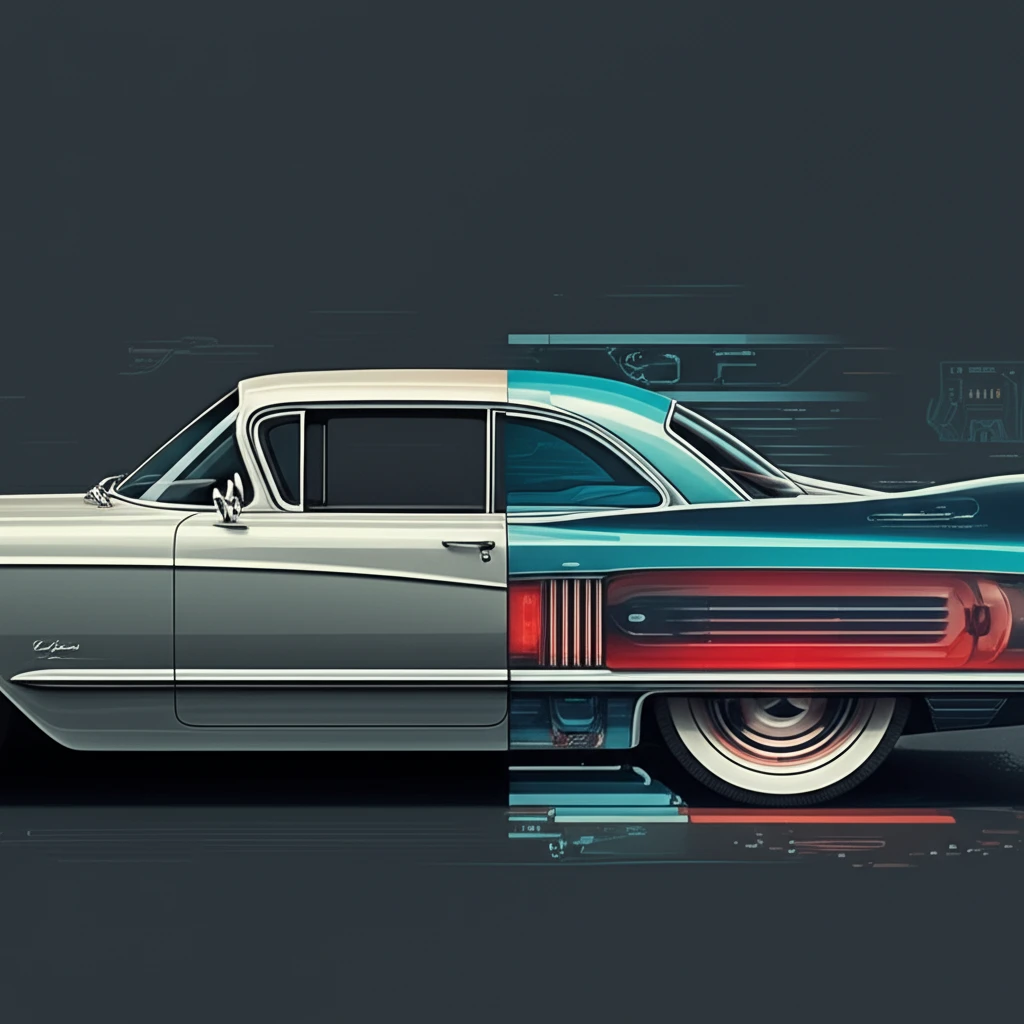
The world of classic cars is a dynamic landscape, constantly evolving with new influences, technologies, and collector interests. Far from being stagnant relics of the past, these automotive icons continue to capture imaginations and drive significant investment. As we look towards 2025, several exciting trends are emerging, shaping what's hot, what's collectible, and how enthusiasts interact with their cherished vehicles. From innovative restorations to an expanding definition of 'classic,' understanding these shifts is crucial for both seasoned collectors and aspiring owners.
Classic car trends are influenced by a blend of nostalgia, technological advancements, economic factors, and cultural shifts. What was once considered a mere used car can become a highly sought-after collectible, driven by generational preferences and the increasing rarity of well-preserved examples. For 2025, we're seeing a convergence of traditional appreciation for authenticity with a modern desire for usability and sustainability. This means a richer, more diverse market than ever before, offering something for every type of enthusiast.
As electric vehicles become mainstream, the desire to combine classic aesthetics with modern, zero-emission powertrains is growing. Electromods offer the timeless appeal of a vintage car with improved reliability, performance, and environmental consciousness. Expect to see more classic Jaguars, Mustangs, and even Volkswagen Beetles quietly humming along.
Beyond simple engine swaps, restomodding in 2025 is all about subtle integration of modern performance, comfort, and safety features while preserving the original character. Think classic Porsche 911s with updated suspension and brakes, or vintage Ford Broncos with refined interiors and powerful contemporary engines.
The allure of iconic Japanese sports cars from the 80s and 90s remains incredibly strong. Models like the Toyota Supra (A80), Nissan Skyline GT-R (R32, R33, R34), and Mazda RX-7 (FD3S) are now firmly entrenched as blue-chip classics, with values steadily climbing as a new generation of collectors seeks out their childhood dream cars.
Vehicles from the turn of the millennium, particularly those with a performance pedigree, are rapidly gaining classic status. BMW E46 M3s, Mercedes-Benz SL500s (R129), and first-generation Audi TTs are becoming increasingly desirable, offering modern usability with distinct analog charm.
The demand for rugged, vintage SUVs and pickup trucks shows no signs of slowing down. Original Land Rover Defenders, early Ford Broncos, and Chevrolet C10 pickups are highly sought after, often undergoing meticulous restorations or tasteful modifications for modern use.
While restorations are popular, there's a growing appreciation for 'survivor' cars – vehicles that retain their original paint, interior, and mechanicals, showing the honest patina of age. These untouched gems tell a unique story and command premium prices for their historical authenticity.
Beyond the stratospheric values of some classics, the market for more accessible European sports cars is thriving. Models like Alfa Romeo GTVs, Porsche 944s, and even certain generations of Mercedes-Benz SLKs offer fantastic driving experiences and classic style without breaking the bank, making them ideal entry points for new collectors.
New technologies like digital gauges that mimic analog designs, discreetly integrated infotainment systems, and modern climate control units that fit seamlessly into classic dashboards are becoming popular. This trend focuses on enhancing the driving experience without detracting from the vintage aesthetic.
Collectors are increasingly looking beyond mainstream classics to find unique and quirky vehicles. Microcars like the Isetta, unusual Eastern European imports, and rare limited-production models are finding dedicated enthusiasts who appreciate their distinct charm and history.
As environmental consciousness grows, there's a greater emphasis on sustainable restoration practices, using ethically sourced materials, and even exploring carbon-neutral fuels for classic engines. This trend combines the passion for vintage cars with a commitment to a greener future.
Before making any purchase, understand the market value, common issues, and availability of parts for your desired model. Consult historical sales data and reputable classic car guides.
Are you looking for an investment, a weekend driver, or a show car? Your budget should encompass not just the purchase price, but also potential restoration costs, insurance, and ongoing maintenance.
Connect with experienced classic car mechanics, appraisers, and fellow enthusiasts. A pre-purchase inspection by a specialist can save you significant headaches and expenses down the line.
While passion drives most purchases, thinking about a car's long-term collectibility and potential appreciation can be a smart move. Look for models with limited production, significant historical importance, or strong community support.
The classic car market in 2025 promises to be as vibrant and diverse as ever. Whether you're drawn to the roar of a vintage engine, the elegance of timeless design, or the thrill of a savvy investment, there's a classic car trend for you. By staying informed and approaching the market with a clear strategy, enthusiasts can continue to celebrate and preserve these magnificent machines for generations to come, ensuring the future of automotive fashion remains deeply rooted in its glorious past.
 October 11
Discover the top 10 classic car trends shaping 2025! From EV conversions to JDM icons and patina preservation, get insights & tips for your vintage automotive journey.
 October 16
Discover the hottest classic car trends for 2025, from restomods to EV conversions. Get expert tips to elevate your vintage car style and stay ahead of automotive fashion.
 October 16
Discover the hottest classic car trends for 2025! From 'Youngtimers' and restomod revivals to sustainable classics, find out what's driving automotive style and collector interest.