Rev Up Your Style: Top 10 Classic Car Trends Dominating 2025
Discover the top 10 classic car trends shaping 2025! From EV conversions to JDM icons and patina preservation, get insights & tips for your vintage automotive journey.

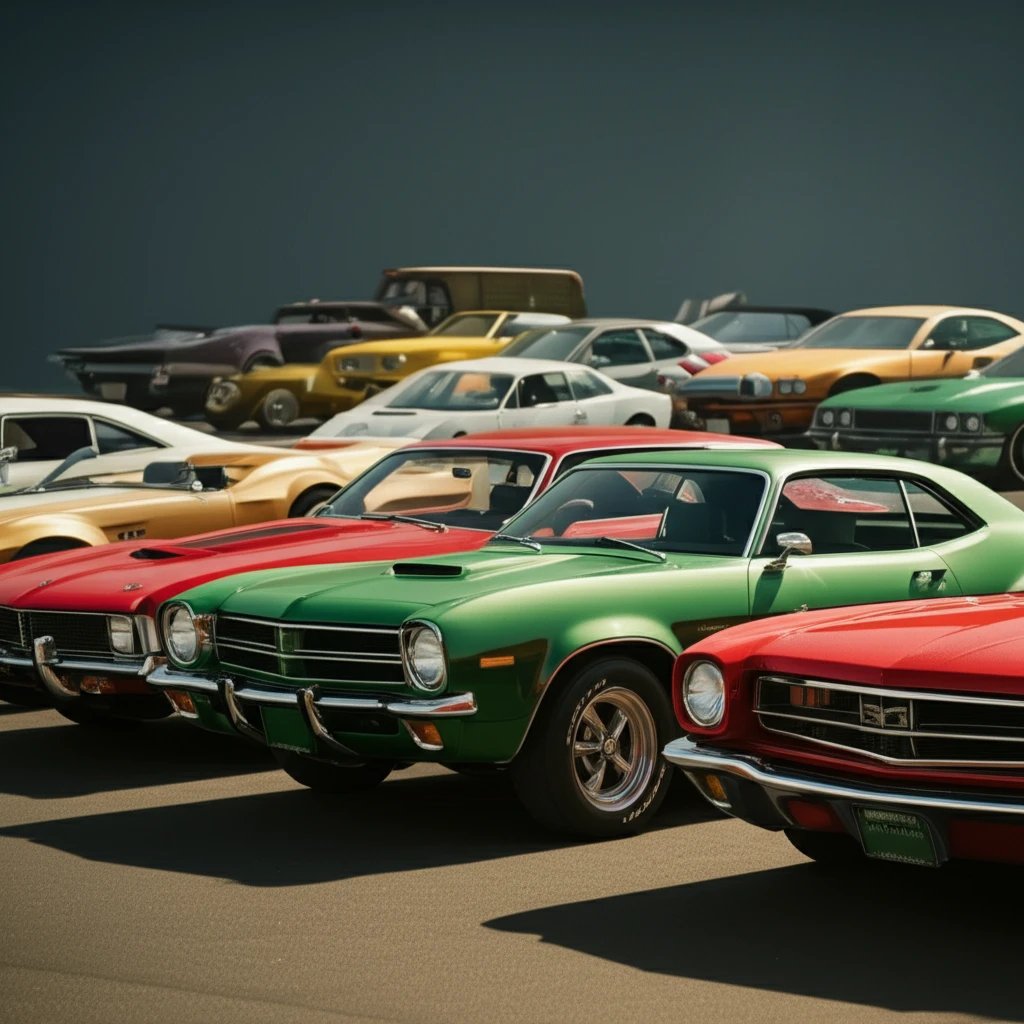
The allure of classic cars is timeless, a blend of heritage, engineering, and undeniable style. As we gear up for 2025, the world of vintage automobiles continues to evolve, bringing new twists to beloved traditions. Enthusiasts and collectors alike are keen to know what's hot and what's next. This year, we're seeing exciting shifts in what defines desirability, focusing on everything from sustainable modifications to a fresh take on aesthetics. Dive into the top 10 Classic Car trends that are set to define the automotive landscape in 2025, offering both inspiration and practical tips for every vintage vehicle lover.
Restomods continue their ascent, perfectly combining the iconic aesthetics of Classic Cars with the reliability and performance of modern technology. Imagine a vintage Mustang with a fuel-injected engine, air conditioning, and a premium sound system – all while retaining its original charm. This trend speaks to those who want the best of both worlds: daily drivability without sacrificing classic appeal. Example: Companies like Singer Vehicle Design meticulously rebuild Porsche 911s, infusing them with cutting-edge engineering. Practical Tip: When considering a restomod, prioritize reputable builders who understand both vintage craftsmanship and modern automotive principles.
Sustainability meets heritage with the growing trend of electric classic conversions. Replacing internal combustion engines with electric powertrains offers a silent, emissions-free driving experience while preserving the vehicle's original body and soul. This is a significant aspect of 2025 fashion in the automotive world, appealing to environmentally conscious enthusiasts. Example: Lunaz Design converts classic Jaguars, Rolls-Royces, and Bentleys into fully electric vehicles. Practical Tip: Research local regulations regarding EV conversions and understand the range and charging infrastructure required for your chosen model.
Japanese Domestic Market (JDM) vehicles from the 80s and 90s are no longer just 'youngtimers'; many are now firmly established Classic Cars with rapidly appreciating values. Their distinctive styling, legendary reliability, and tuning potential make them highly sought after. Example: The Nissan Skyline GT-R (R32, R33, R34) and Toyota Supra (A80) are leading this charge. Practical Tip: Authenticity and service history are crucial for JDM classics. Be wary of heavily modified examples unless that's specifically what you're looking for.
There's a growing appreciation for untouched, original condition vehicles, where the wear and tear accumulated over decades are celebrated as 'patina.' This trend moves away from concours-level perfection towards preserving the car's history and character. It's a true fashion trend in classic car circles. Example: Unrestored 'barn find' vehicles with original paint and interiors. Practical Tip: If you own a well-preserved classic, focus on mechanical maintenance and minimal cosmetic intervention to retain its originality and value.
As urban living continues to shape our choices, the compact charm of microcars and classic city cars is experiencing a resurgence. These small wonders offer unique aesthetics, easy maneuverability, and a delightful driving experience, often at a more accessible price point than larger classics. Example: BMW Isetta, original Fiat 500, Messerschmitt KR200. Practical Tip: Their small size can make them more challenging to drive in modern traffic; consider them for leisurely drives or as conversation starters.
Vehicles from the 1980s and 1990s, often referred to as 'youngtimers,' are stepping into the spotlight as legitimate Classic Cars. These cars represent a fascinating era of design and technological transition, blending analog feel with nascent digital features. This is a significant part of what constitutes fashion 2025 for car collectors. Example: BMW E30 M3, Mercedes-Benz 190E 2.5-16 Cosworth, early Audi Quattros. Practical Tip: Look for well-documented service histories, as some of these cars can have complex electronics that are costly to repair.
The rugged appeal of vintage 4x4s continues to capture imaginations. Classic SUVs and off-roaders offer a blend of utility, nostalgia, and a distinct aesthetic that stands apart from typical sports cars. Their robustness and go-anywhere attitude are highly desirable. Example: Early Ford Broncos, Land Rover Defenders (pre-1990), Toyota FJ40 Land Cruisers. Practical Tip: Many vintage 4x4s have been used hard; inspect frames for rust and mechanical components thoroughly before purchase.
Moving beyond safe reds, blacks, and silvers, enthusiasts are embracing bolder, period-correct color palettes. Think vibrant greens, mustard yellows, and rich blues that authentically reflect the era of the car. This is a key fashion trend for personalizing classics. Example: A 70s Porsche 911 in Viper Green or a 60s muscle car in Plum Crazy purple. Practical Tip: Research the original color options for your specific classic model; staying true to period colors can enhance authenticity and value.
Rather than full restomods, many collectors prefer subtle modernizations that enhance usability without altering the car's period feel. This includes upgrades like discreet Bluetooth integration into vintage radios, LED lighting that mimics incandescent bulbs, or improved braking systems hidden behind original wheels. Practical Tip: Focus on reversible modifications if possible, to maintain the car's original integrity and appeal to purists down the line.
While still emerging, the digital realm is influencing classic car appreciation. Non-Fungible Tokens (NFTs) representing ownership, historical documents, or digital art of iconic Classic Cars are gaining traction. This offers a new dimension to collecting and preserving automotive history, bridging the gap between physical and digital assets. Example: Digital ownership certificates or unique artistic renditions of rare classic models. Practical Tip: Approach classic car NFTs with caution and thorough research, as the market is still nascent and highly speculative.
The world of Classic Cars in 2025 is a vibrant tapestry of tradition and innovation. Whether you're drawn to the roar of a vintage engine, the quiet hum of an electric conversion, or the untouched beauty of a well-preserved original, there's a trend for every enthusiast. Remember, the true joy of classic car ownership lies in the connection you forge with these magnificent machines. Stay informed, enjoy the ride, and keep these timeless beauties cruising for generations to come.
 October 11
Discover the top 10 classic car trends shaping 2025! From EV conversions to JDM icons and patina preservation, get insights & tips for your vintage automotive journey.
 October 16
Discover the hottest classic car trends for 2025, from restomods to EV conversions. Get expert tips to elevate your vintage car style and stay ahead of automotive fashion.
 October 16
Discover the hottest classic car trends for 2025! From 'Youngtimers' and restomod revivals to sustainable classics, find out what's driving automotive style and collector interest.