Driving Tomorrow: The 10 Most Exciting Concept Vehicle Trends for 2025
Explore the 10 most exciting concept vehicle trends shaping 2025. Discover futuristic designs, sustainable tech, and advanced connectivity in automotive innovation.

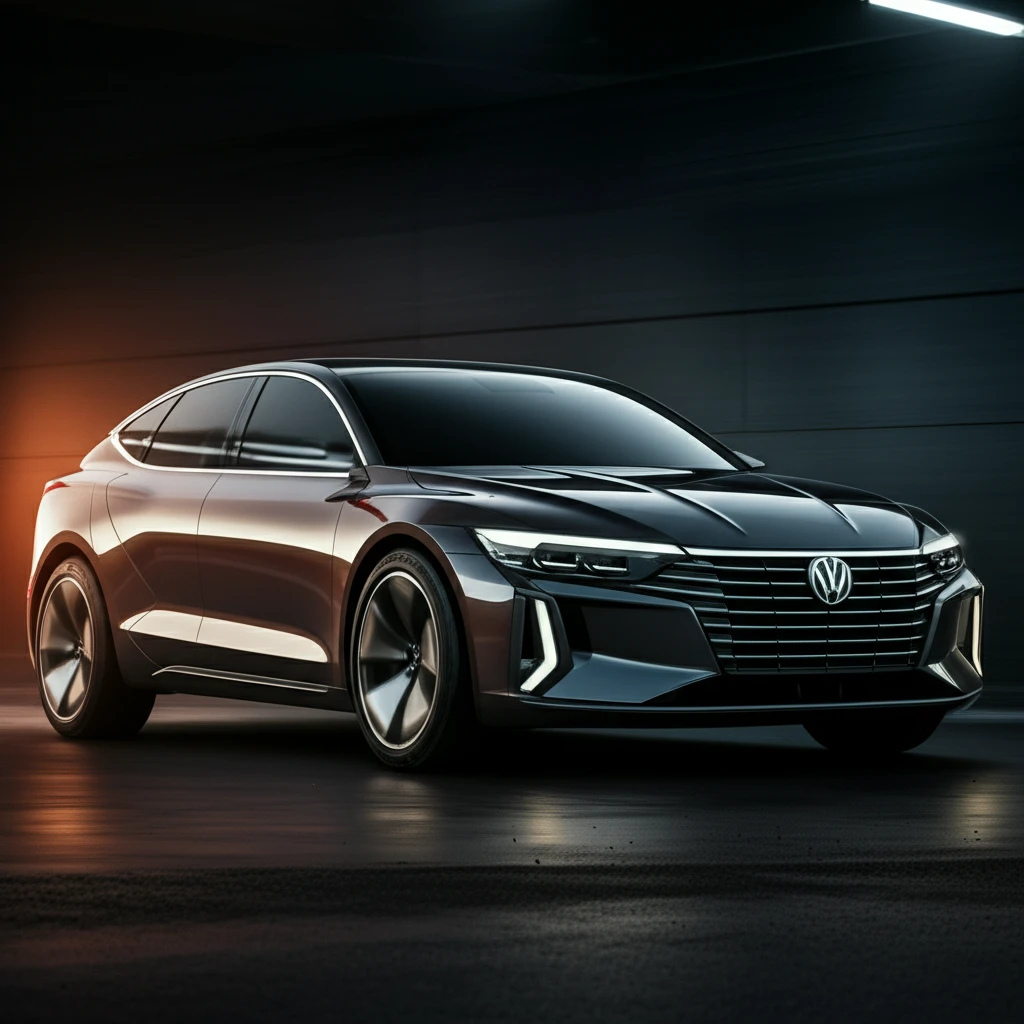
The automotive industry is in a perpetual state of evolution, with concept vehicles serving as crystal balls, offering tantalizing glimpses into what the future of mobility might hold. For 2025, these avant-garde designs are more than just pretty shells; they are integrated ecosystems of technology, sustainability, and unparalleled user experience. As we delve into the top 10 concept vehicle trends for 2025, we'll explore how these innovations are not only pushing the boundaries of engineering but also significantly influencing and being influenced by broader fashion trends 2025.
Concept vehicles often dictate the aesthetic and functional lexicon for production models years down the line. They are the proving ground for revolutionary ideas, from powertrain technologies to interior design philosophies. Understanding these trends provides insight into the direction of personal transportation and how it integrates with our increasingly connected and style-conscious lives.
Gone are the days of one-size-fits-all. Concept Vehicles for 2025 are embracing hyper-personalization, allowing users to reconfigure interiors, swap out components, and even alter exterior aesthetics to suit their mood, journey, or the latest fashion trends. Modular designs mean seats can be rearranged for a lounge-like experience, office setup, or cargo hauling. Think bespoke tailoring but for your car – materials, colors, and functionalities adaptable at the touch of a button.
Sustainability is no longer a niche; it’s a core design principle. Future concept cars will showcase interiors crafted from innovative, eco-friendly materials such as mushroom leather (mycelium), recycled ocean plastics, flax fibers, and upcycled textiles. These materials aren't just green; they offer unique textures and aesthetics, aligning with the growing demand for ethical and stylish products in fashion 2025. Expect interiors that feel organic, luxurious, and environmentally conscious.
The vehicle transforms into a seamless extension of our digital lives. Advanced AI co-pilots will learn driver preferences, anticipate needs, and manage everything from navigation to climate control. Expect augmented reality windshields, holographic interfaces, and deep integration with smart home devices. These systems aim to simplify interactions, making the driving (or riding) experience intuitive and effortlessly connected.
With the progression towards full autonomy, the interior of a concept vehicle is being re-imagined as a living room, office, or entertainment hub. Swiveling seats, retractable tables, and expansive digital displays create versatile spaces for work, relaxation, or socializing. The focus shifts from the act of driving to the quality of time spent within the vehicle, mirroring trends in home design and mobile lifestyles.
Future vehicles will serve as personal wellness pods. Concept Vehicles are integrating advanced biometric sensors to monitor driver health, detect stress levels, and even offer therapeutic interventions. Features like dynamic lighting, personalized soundscapes, and integrated aroma diffusers will create environments tailored for maximum comfort and well-being, a holistic approach that resonates with self-care trends.
Aerodynamic efficiency meets artistic expression. The exteriors of 2025 concept cars will feature incredibly sleek, fluid lines and sculptural forms that not only reduce drag but also create a visually stunning presence. These designs often push the boundaries of traditional car shapes, incorporating elements inspired by nature and modern architecture, reflecting minimalist yet powerful aesthetic fashion trends 2025.
Lighting will transcend mere illumination. Exterior lighting will be dynamic and communicative, signalling intentions to pedestrians and other drivers, while interior ambient lighting will adapt to driver mood, time of day, or chosen activity. This isn't just about aesthetics; it's about enhanced safety, personalization, and creating an emotional connection with the vehicle.
Interaction within the concept car will become richer through haptic feedback. Touchscreens will provide tactile responses, steering wheels might vibrate to indicate hazards, and seats could offer subtle cues. Beyond touch, multi-sensory experiences will include customizable scent diffusers and immersive sound systems, transforming the cabin into a truly engaging environment.
While still in its nascent stages, some Concept Vehicles are hinting at seamless integration with urban air mobility (UAM) solutions. This trend explores vehicles that can detach from a wheeled chassis to become a personal flying module, or at least are designed with future UAM compatibility in mind, addressing urban congestion with a truly futuristic vision.
As vehicle ownership models shift towards subscription and shared services, concept cars are being designed with durability, easy maintenance, and multi-user appeal in mind. Interiors are robust yet stylish, and interfaces are intuitive for multiple drivers. This trend reflects a broader societal move away from ownership towards access, influencing how vehicles are designed for longevity and versatility in a shared economy.
The Concept Vehicles of 2025 are much more than speculative design exercises; they are profound statements about our collective future. They embody a world where technology, sustainability, and personal expression converge, redefining what it means to travel. As these trends mature, they will inevitably influence the vehicles we drive and experience daily, proving that automotive design remains at the forefront of innovation, continuously adapting to and shaping our lifestyle and the evolving landscape of fashion 2025.
 October 11
Explore the 10 most exciting concept vehicle trends shaping 2025. Discover futuristic designs, sustainable tech, and advanced connectivity in automotive innovation.
 October 16
Explore the top 10 concept vehicle trends for 2025, from autonomous AI and sustainable materials to personalized interiors and eVTOL integration, shaping the future of automotive mobility.
 October 16
Explore the top 10 concept vehicle trends for 2025, from AI integration and sustainable design to modular interiors. Discover the future of automotive fashion and technology.