Top 10 Electric Vehicle Trends for 2025: Driving the Future of Mobility
Explore the top 10 electric vehicle trends shaping 2025. Discover advancements in battery tech, autonomous driving, sustainable manufacturing, and practical tips for EV buyers.


The automotive industry is undergoing a monumental transformation, with Electric Vehicles (EVs) leading the charge. As we approach 2025, the pace of innovation is accelerating, bringing forth exciting new trends that will redefine how we drive, interact with our cars, and perceive transportation. From groundbreaking battery tech to integrated AI, here’s a look at the top 10 EV trends set to dominate the market.
Electric Vehicles are more than just an eco-friendly alternative; they represent a leap forward in automotive engineering, design, and user experience. Driven by environmental concerns, government incentives, and rapid technological advancements, EVs are becoming increasingly accessible, efficient, and desirable for a broader demographic. Understanding these upcoming trends is crucial for both consumers and industry players.
2025 will see significant breakthroughs in battery chemistry, moving towards solid-state batteries or advanced lithium-ion variants that offer greater energy density, faster charging times, and reduced weight. This means longer ranges – with many standard models easily surpassing 400 miles on a single charge – and enhanced longevity, addressing one of the primary concerns for potential EV buyers. Example: Mercedes-Benz's Vision EQXX concept showcasing extreme efficiency leading to real-world extended range.
The expansion and upgrading of charging infrastructure will be a top priority. Expect more widespread deployment of 350 kW+ DC fast chargers, capable of adding hundreds of miles of range in just minutes. Alongside public networks, we’ll see more integrated charging solutions in urban planning and commercial spaces. Tip: Look for EVs compatible with the highest charging speeds available to maximize convenience on long trips.
EVs will become even smarter, with AI playing a crucial role in enhancing the driving experience. Expect predictive maintenance, personalized cabin settings (climate, music, seat position) based on driver recognition, advanced route optimization considering charging stops, and voice assistants that understand complex commands. Example: Tesla’s full self-driving capabilities and sophisticated infotainment systems are just the beginning.
Manufacturers are increasingly focusing on sustainability beyond just zero tailpipe emissions. 2025 will bring more EVs constructed with recycled, plant-based, and responsibly sourced materials in their interiors and even structural components. Emphasis will also be placed on battery recycling and second-life applications. Tip: Research brands that prioritize sustainable manufacturing and material sourcing if environmental impact is a key factor for you.
While fully autonomous vehicles for the masses are still a few years away, 2025 will see significant advancements in Level 2+ and Level 3 autonomous features. This includes more robust highway assist systems, automated parking, and enhanced collision avoidance, making driving safer and less stressful. Example: GM's Super Cruise or Ford's BlueCruise offering hands-free driving on approved highways.
The EV market will diversify beyond sedans and compact SUVs. Expect a surge in electric pickup trucks, rugged off-road SUVs, luxurious grand tourers, and even more affordable city cars. This expansion will cater to a wider range of consumer needs and preferences. Example: The Ford F-150 Lightning and Chevrolet Silverado EV leading the electric truck segment.
EVs are already known for their instant torque, but 2025 will push the boundaries of performance further. We'll see more sophisticated suspension systems, advanced torque vectoring, and optimized weight distribution to deliver exhilarating driving experiences, even in family-oriented vehicles. Example: Porsche Taycan's blend of luxury and sports car performance.
The ability for EVs to not just consume but also feed electricity back into the grid (V2G) or power your home (V2H) will become more mainstream. This offers potential savings during peak energy times and provides backup power during outages, transforming EVs into mobile power banks. Practical Tip: Consider an EV with V2G/V2H capabilities if you're looking to integrate your vehicle with smart home energy management.
Beyond traditional purchases and leases, subscription-based EV ownership models will gain traction. These offer flexibility, often bundling insurance, maintenance, and charging into one monthly fee, appealing to those who prefer not to commit to long-term ownership or want to try different models. Example: Volvo's Care by Volvo subscription service.
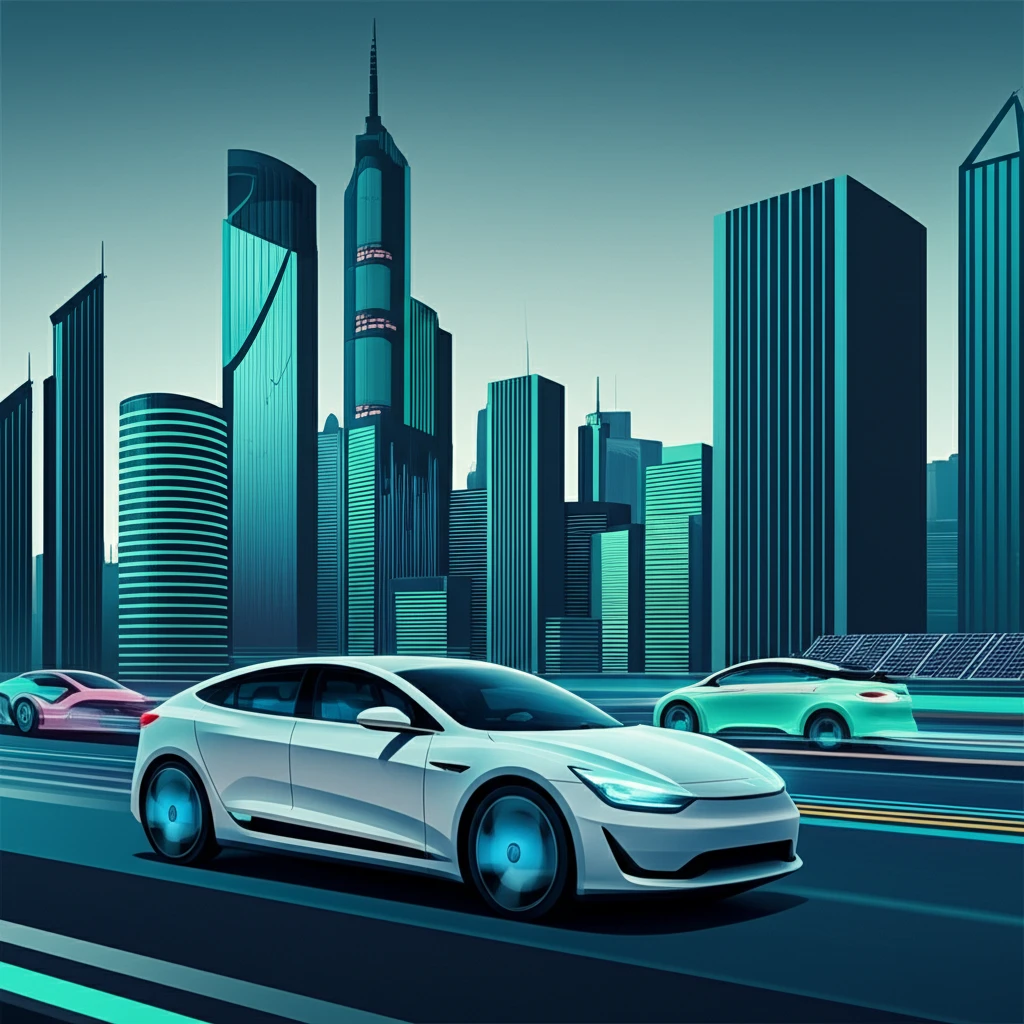
EV designs will continue to evolve, moving away from traditional automotive aesthetics. Expect sleeker, more aerodynamic profiles to enhance efficiency, expansive glass roofs, minimalist interiors, and innovative lighting signatures that distinguish EVs on the road. Example: The Hyundai Ioniq 5's retro-futuristic design and spacious interior.
2025 promises to be a pivotal year for Electric Vehicles, bringing an array of innovations that will make them more efficient, intelligent, sustainable, and enjoyable to drive than ever before. These trends indicate a future where EVs are not just a segment of the automotive market but its very foundation, propelling us towards a cleaner, smarter, and more exciting era of transportation.
 October 11
Explore the top 10 electric vehicle trends shaping 2025. Discover advancements in battery tech, autonomous driving, sustainable manufacturing, and practical tips for EV buyers.
 October 16
Explore the top 10 electric vehicle trends for 2025, including advanced batteries, software-defined cars, V2X, and sustainable practices. Get ready for the future of automotive!
 October 16
Discover the top 10 electric vehicle trends shaping 2025. Explore advancements in batteries, charging, AI, sustainable design, and more with practical tips.