Top 10 Electric Vehicle Trends for 2025: Driving the Future of Mobility
Explore the top 10 electric vehicle trends shaping 2025. Discover advancements in battery tech, autonomous driving, sustainable manufacturing, and practical tips for EV buyers.


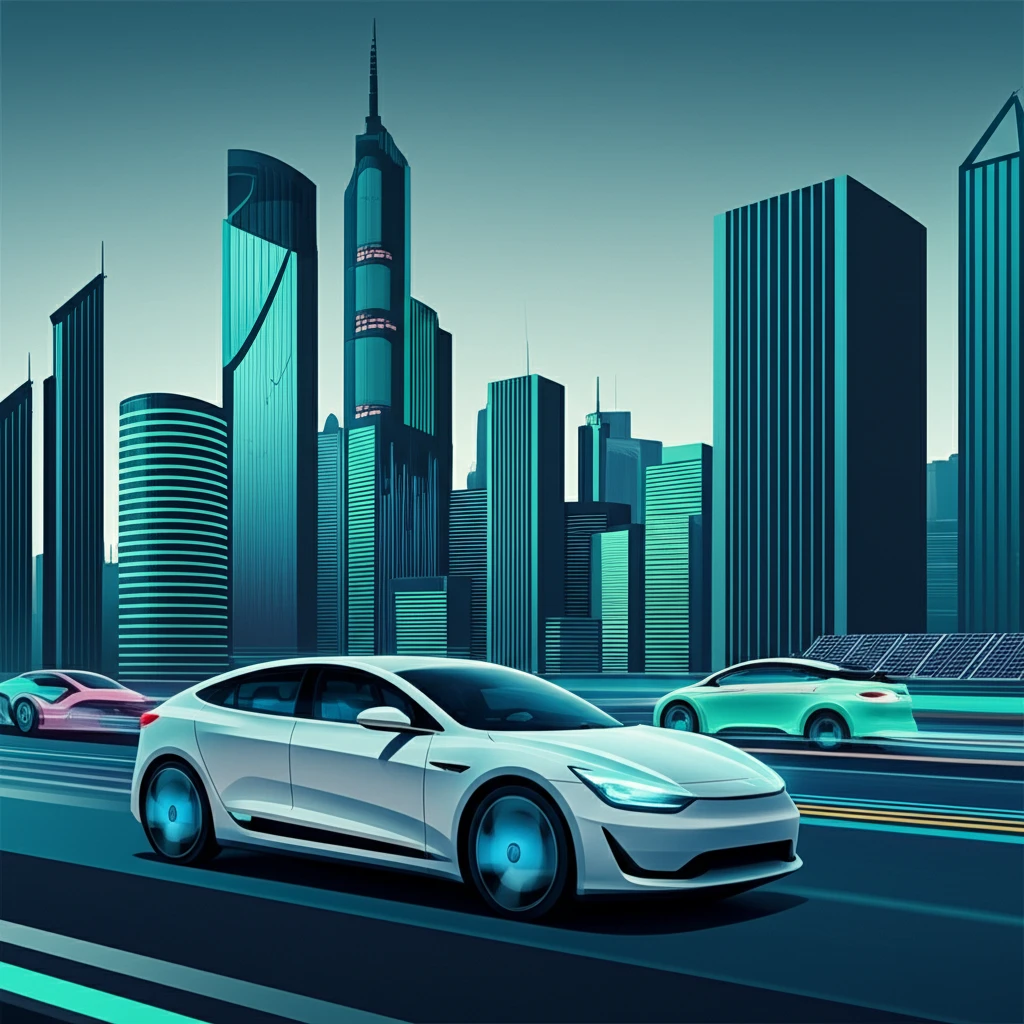
The automotive industry is in the midst of a monumental shift, with Electric Vehicles (EVs) leading the charge towards a sustainable future. As we look ahead to 2025, several key trends are emerging that will redefine how we perceive, purchase, and interact with our vehicles. From revolutionary battery technology to advanced autonomous features, the world of EVs is accelerating at an unprecedented pace. This article delves into the top 10 Electric Vehicle trends set to dominate 2025, offering insights and practical tips for embracing this electrifying evolution.
Expect significant leaps in battery chemistry, focusing on higher energy density, longer lifespans, and reduced costs. Solid-state batteries, though still in development, are moving closer to commercialization, promising game-changing range and safety. Alongside this, ultra-fast charging infrastructure will become more widespread, enabling vehicles to gain hundreds of miles of range in mere minutes. This addresses range anxiety, one of the biggest hurdles for potential EV buyers.
Example: Mercedes-Benz's concept vehicles often showcase advanced battery packs capable of charging from 10% to 80% in under 20 minutes, powered by next-generation charging stations. Tip: When considering an EV, always check its maximum charging rate (kW) and compare it with the public fast chargers available in your area to ensure compatibility and efficiency.
EVs in 2025 will be more akin to rolling computers, with software dictating everything from performance characteristics to user experience. Over-The-Air (OTA) updates will become standard, delivering new features, performance enhancements, and security patches, extending the life and capabilities of the vehicle over time. Personalization through software will also be a major focus.
Example: Tesla has long been a pioneer in OTA updates, adding features like 'Sentry Mode' or improved acceleration post-purchase. Newer brands like Polestar and Rivian are following suit, offering a dynamic user experience. Tip: Research a manufacturer's history with OTA updates. A robust software platform ensures your vehicle remains current and gains new functionalities without dealership visits.
V2G technology allows EVs to not only draw power from the grid but also feed electricity back into it, or even power homes during outages (Vehicle-to-Home, V2H). This trend transforms EVs into mobile energy storage units, offering grid stability and potential revenue for owners. Bi-directional charging capabilities will become a key selling point.
Example: Nissan Leaf's 'ChadeMo' charging system already supports V2G in some markets, and Ford's F-150 Lightning offers 'Intelligent Backup Power' for homes. Tip: If you're planning to install home charging, consider a bi-directional charger compatible with V2G/V2H to unlock potential energy savings and backup power capabilities.
The EV market will expand beyond sedans and compact cars. 2025 will see a surge in electric pickup trucks, rugged SUVs, and high-performance sports cars. Manufacturers are responding to diverse consumer needs, ensuring there's an electric option for every lifestyle, from utility to luxury.
Example: The Chevrolet Silverado EV, RAM 1500 REV, and various electric luxury SUVs from BMW, Audi, and Porsche are poised to enter or expand their presence in the market. Tip: Don't assume an EV won't meet your specific vehicle needs. Explore the rapidly growing range of body styles and performance options before making a decision.
Beyond zero-emission powertrains, the focus will shift to the entire lifecycle of an EV. Expect to see more sustainable and recycled materials used in interiors, body panels, and battery components. Manufacturers will emphasize ethical sourcing of minerals and develop clearer strategies for battery recycling and second-life applications, embracing circular economy principles.
Example: Volvo and Polestar are actively incorporating recycled plastics, flax-based composites, and ethically sourced leather alternatives into their vehicle interiors. Tip: Look for manufacturers that provide transparency about their supply chain and sustainability initiatives beyond just the powertrain. Your choice can influence broader industry practices.
ADAS features like adaptive cruise control, lane-keeping assist, and automated parking will become even more sophisticated and standard across a wider range of EVs. While fully autonomous driving (Level 5) is still some way off, 2025 will see significant advancements in Level 2+ and Level 3 systems, offering enhanced safety and convenience on specific road types.
Example: Cadillac's Super Cruise, Ford's BlueCruise, and Mercedes-Benz's Drive Pilot are examples of hands-free driving systems for highways that will see further refinement. Tip: Familiarize yourself with the ADAS features offered. While they enhance safety, always remain attentive and ready to take control, as current systems are not fully autonomous.
Artificial Intelligence will play a crucial role in optimizing EV performance, energy management, and user experience. AI-powered systems will predict maintenance needs, optimize charging schedules based on driving habits and electricity prices, and personalize infotainment and cabin settings, making the vehicle more intuitive and efficient.
Example: AI algorithms can analyze battery degradation patterns to suggest optimal charging habits, or detect potential component failures before they occur. Tip: Utilize your EV's companion app and in-car AI features. Many can learn your routines and help you optimize charging, pre-conditioning, and even route planning for maximum efficiency.
The global charging network will grow exponentially, with a focus on reliability, accessibility, and integration with payment systems. Smart charging solutions will allow EVs to charge during off-peak hours, balancing grid demand and potentially reducing electricity costs for owners. Destination charging (at hotels, workplaces, shopping centers) will become ubiquitous.
Example: Government incentives and private investments are fueling the rapid expansion of high-speed charging corridors across continents. Tip: Before buying an EV, map out public charging options along your frequent routes and at destinations. Consider installing a Level 2 charger at home for convenience and cost savings.
Beyond performance, the interior experience of EVs will be a major differentiator. Expect larger, more intuitive infotainment screens, immersive audio systems, augmented reality displays, and highly customizable cabin environments. Health and wellness features, such as air purification and stress-reducing ambient lighting, will also become more common.
Example: Hyundai's Ioniq 5 and Kia EV6 already offer highly modular and customizable interiors, while future models will push boundaries with holographic displays and biometric integration. Tip: Don't just test drive for performance. Spend time interacting with the infotainment system, exploring interior configurations, and assessing comfort and connectivity features.
The traditional model of car ownership will evolve. Alongside outright purchase and leasing, flexible subscription services for EVs are gaining traction, offering inclusive packages covering insurance, maintenance, and charging. This provides greater flexibility and lower upfront costs, making EVs more accessible to a broader audience.
Example: Brands like Volvo (Care by Volvo) and Lynk & Co already offer subscription-based models, and more manufacturers are expected to launch similar services for their EV lineups. Tip: Evaluate if a subscription model aligns with your lifestyle. It can be a great way to experience an EV with less commitment, especially if you prefer predictable monthly costs.
The Electric Vehicle landscape for 2025 promises innovation, sustainability, and an increasingly seamless driving experience. These trends highlight a future where cars are cleaner, smarter, and more integrated into our digital lives. Whether you're a first-time EV buyer or an automotive enthusiast, staying informed about these developments will help you navigate the exciting world of electric mobility.
Embrace the change, explore the options, and get ready for a quieter, more efficient, and electrifying journey!
 October 11
Explore the top 10 electric vehicle trends shaping 2025. Discover advancements in battery tech, autonomous driving, sustainable manufacturing, and practical tips for EV buyers.
 October 16
Explore the top 10 electric vehicle trends for 2025, including advanced batteries, software-defined cars, V2X, and sustainable practices. Get ready for the future of automotive!
 October 16
Discover the top 10 electric vehicle trends shaping 2025. Explore advancements in batteries, charging, AI, sustainable design, and more with practical tips.