Top 10 Electric Vehicle Trends for 2025: Driving the Future of Mobility
Explore the top 10 electric vehicle trends shaping 2025. Discover advancements in battery tech, autonomous driving, sustainable manufacturing, and practical tips for EV buyers.

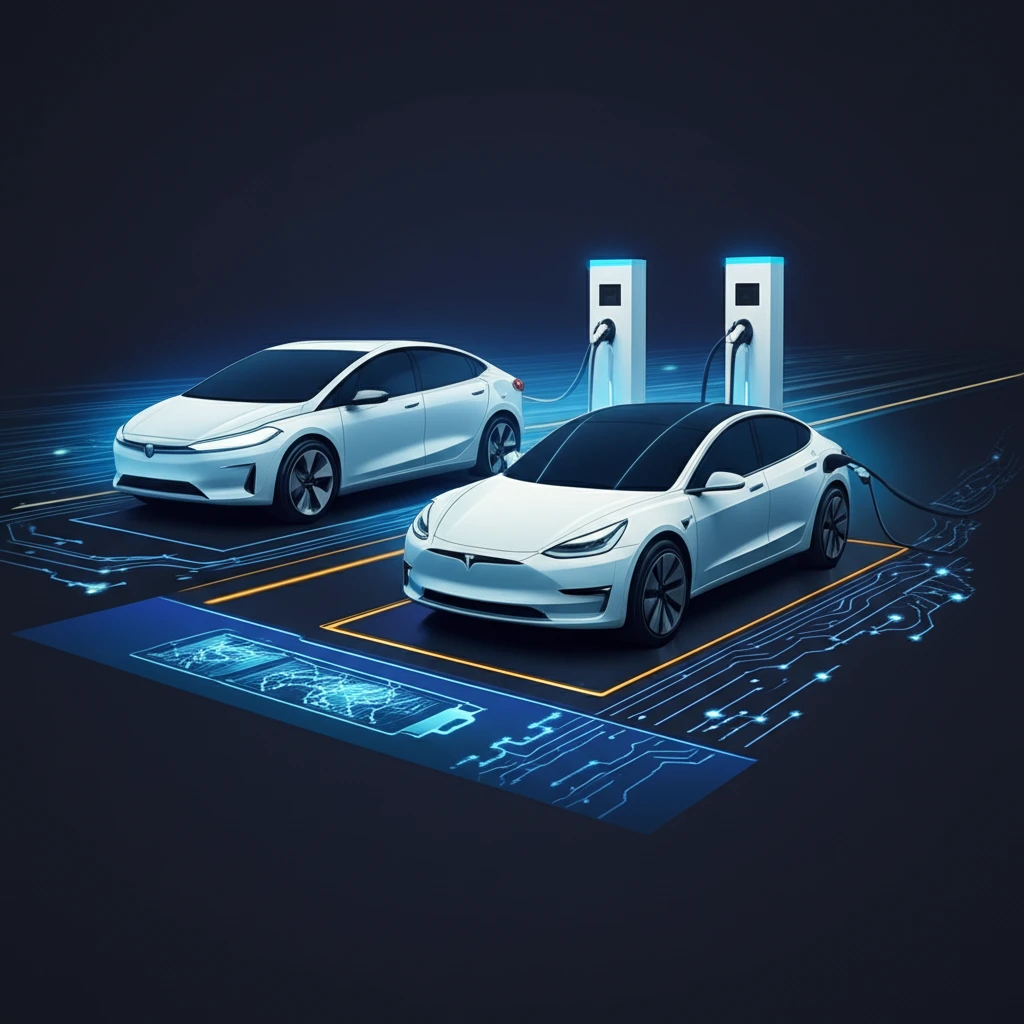
The automotive landscape is undergoing a monumental transformation, with Electric Vehicles (EVs) at the forefront of this revolution. As we approach 2025, the pace of innovation is accelerating, bringing forth exciting new technologies, designs, and ownership models. This article delves into the top 10 anticipated EV trends that will shape the industry and redefine how we move, highlighting the convergence of cutting-edge engineering with sustainable practices and emerging lifestyle 'fashion' statements.
Electric vehicles are no longer a niche market; they are becoming mainstream. With increasing environmental consciousness, supportive government policies, and advancements in technology, EVs are set to dominate showrooms and roads. From groundbreaking battery tech to integrated digital ecosystems, 2025 promises to be a pivotal year for electric mobility.
Expect significant leaps in battery density and charging efficiency. Solid-state batteries, while still largely in development, are expected to make commercial inroads, offering superior range (500+ miles on a single charge) and faster charging times with enhanced safety. Lithium-ion technology will also continue to improve, making EVs more practical for long-distance travel and reducing range anxiety.
The expansion of high-power charging networks (350kW+) will be a major focus. Companies are investing heavily in establishing ubiquitous charging stations, making 'refueling' an EV as quick as, or even quicker than, filling a petrol car. Expect more 800V architectures in new vehicles, enabling rapid charging for compatible models.
EVs in 2025 will be more akin to smartphones on wheels. Software will define their performance, features, and user experience. OTA updates will deliver performance enhancements, new functionalities, and bug fixes directly to the vehicle, extending its lifespan and keeping it current without a trip to the dealership. Personalization through software will also become a key differentiator.
While full Level 5 autonomy might still be a few years away, Level 3 and advanced Level 2+ autonomous driving features will become more sophisticated and widely available. Expect hands-free driving on highways, automated parking, and enhanced driver assistance systems that significantly improve safety and convenience.
The 'green' aspect of EVs will extend beyond zero tailpipe emissions. Manufacturers will increasingly adopt recycled and sustainably sourced materials for interiors and exteriors, from vegan leather to recycled plastics and ocean waste composites. Production processes will also become more environmentally friendly, aiming for a lower carbon footprint across the entire supply chain.
Seamless integration with smart homes, personal devices, and other mobility services will define the EV user experience. Vehicles will become central hubs for digital life, offering advanced infotainment, augmented reality navigation, and personalized profiles that adapt to individual preferences.
The market will see a surge in diverse EV models. Beyond sedans and SUVs, expect a broader range of electric pickup trucks, commercial vans, compact urban commuters, and even high-performance sports cars. This diversification will cater to a wider array of consumer needs and budgets, democratizing EV ownership.
V2G technology will gain traction, allowing EVs to not just draw power from the grid but also feed excess energy back into it. This turns EVs into mobile power banks, potentially offsetting electricity costs for owners and contributing to grid stability. Bi-directional charging will also enable vehicles to power homes during outages.
EVs are increasingly becoming a form of personal expression. In 2025, design will be bolder, more aerodynamic, and highly customizable. Manufacturers will offer extensive personalization options, from exterior colors and unique lighting signatures to interior trims and digital interfaces. This trend aligns perfectly with the 'fashion 2025' concept, where an EV isn't just transport, but a statement of individual style and environmental commitment.
The traditional ownership model will be challenged by flexible subscription services. Consumers will have options to subscribe to an EV for a fixed monthly fee, covering insurance, maintenance, and even charging. Car-sharing and ride-hailing services will also see an increase in electric fleets, making EV access easier for those who prefer not to own a vehicle outright.
2025 is poised to be an electrifying year for the automotive industry. The trends highlighted—from advanced battery tech and intelligent software to sustainable design and flexible ownership—underscore a future where electric vehicles are smarter, more efficient, and deeply integrated into our lives. These innovations not only promise a cleaner environment but also a more connected, personalized, and engaging driving experience, truly making EVs the automotive fashion statement of the next era.
 October 11
Explore the top 10 electric vehicle trends shaping 2025. Discover advancements in battery tech, autonomous driving, sustainable manufacturing, and practical tips for EV buyers.
 October 16
Explore the top 10 electric vehicle trends for 2025, including advanced batteries, software-defined cars, V2X, and sustainable practices. Get ready for the future of automotive!
 October 16
Discover the top 10 electric vehicle trends shaping 2025. Explore advancements in batteries, charging, AI, sustainable design, and more with practical tips.