Top 10 Electric Vehicle Trends for 2025: Driving the Future of Mobility
Explore the top 10 electric vehicle trends shaping 2025. Discover advancements in battery tech, autonomous driving, sustainable manufacturing, and practical tips for EV buyers.

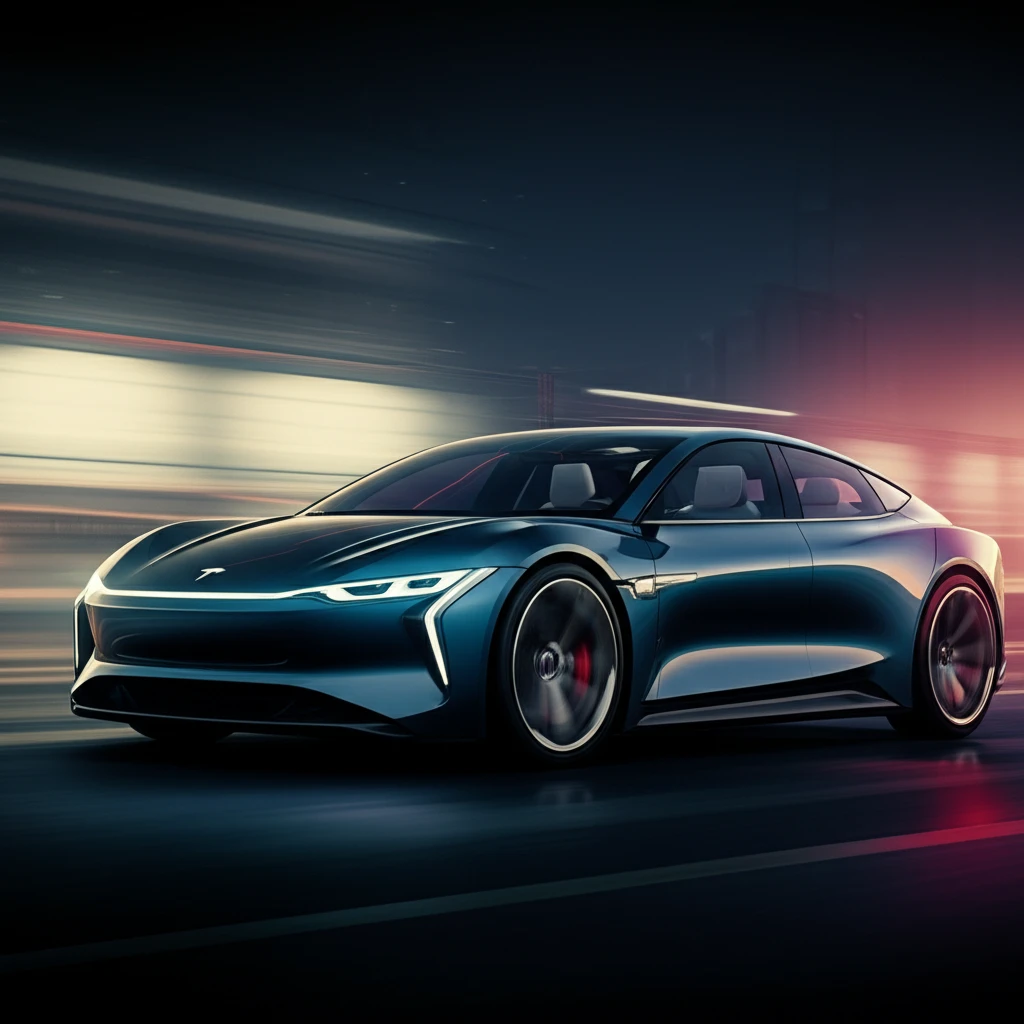
The automotive industry is in the midst of a monumental shift, spearheaded by the rapid evolution of Electric Vehicles (EVs). What once seemed like a niche market is now transforming into the mainstream, driven by technological breakthroughs, environmental consciousness, and shifting consumer preferences. As we approach 2025, the landscape of electric mobility promises even more exciting developments. This article delves into the top 10 Electric Vehicle trends poised to define the year, offering insights into innovations, market shifts, and practical advice for both enthusiasts and potential EV adopters. From groundbreaking battery tech to smarter autonomous systems and evolving vehicle aesthetics, get ready to navigate the electric future.
Understanding the trajectory of EV technology is crucial not just for industry insiders, but for everyone contemplating their next vehicle purchase or simply interested in sustainable living. These trends aren't just about faster cars or longer ranges; they encompass a holistic evolution of transport that impacts infrastructure, energy consumption, and even our daily interactions with vehicles. They dictate the future of what we drive, how we drive, and the environmental footprint we leave behind.
2025 will see significant strides in battery chemistry and design. Solid-state batteries, offering higher energy density, faster charging times, and enhanced safety compared to traditional lithium-ion, are moving closer to commercial viability. Expect incremental improvements in current battery tech too, pushing ranges beyond 500 miles on a single charge for many premium models, while also reducing manufacturing costs.
The "range anxiety" myth is being debunked by a rapidly expanding and increasingly powerful charging network. 2025 will bring more ubiquitous DC fast chargers (350 kW and above), significantly reducing charging stops to mere minutes. Furthermore, wireless charging (inductive charging) will gain traction, offering convenience at home, work, and even public parking spots, seamlessly topping up batteries without cables.
Level 2+ and Level 3 autonomous driving features will become standard in more premium EVs, offering sophisticated highway assistance and traffic jam pilot systems. Artificial intelligence will deeply integrate into vehicle operations, enhancing predictive maintenance, optimizing energy consumption, and providing personalized in-car experiences through AI co-pilots and intuitive voice commands.
Beyond zero-emission powertrains, the focus in 2025 will extend to the entire lifecycle of an EV. Manufacturers will increasingly adopt recycled and sustainably sourced materials for interiors and exteriors, from vegan leather to plastics derived from ocean waste. The emphasis on a circular economy will also drive better battery recycling processes and end-of-life vehicle management.
EVs are evolving from mere consumers of electricity to active participants in the energy grid. V2G technology allows EVs to return stored energy to the grid during peak demand or power a home during outages. Bi-directional charging will become a key selling point, transforming EVs into mobile power banks and integrating them into a smarter, more resilient energy ecosystem.
The interior of an EV is transforming into a third living space. 2025 models will offer highly customizable ambient lighting, advanced infotainment systems with vast display real estate, and seamless integration with personal devices and smart home ecosystems. Expect features like augmented reality head-up displays and personalized sound zones to enhance comfort and connectivity. This also touches upon fashion in terms of interior design and personalized aesthetics.
While luxury EVs paved the way, 2025 will see a strong push towards more affordable electric vehicles, making them accessible to a broader consumer base. More compact models, electric sedans, and even electric city cars will flood the market, diversifying options beyond the popular SUV segment and expanding EV adoption globally, particularly in emerging markets.
The notion that EVs are dull is a relic of the past. 2025 will solidify EVs as performance powerhouses, with instant torque and sophisticated handling becoming standard. Furthermore, EV design, free from the constraints of traditional engine bays, will become more avant-garde and aerodynamic, reflecting a new automotive fashion. Expect unique lighting signatures, bold lines, and innovative cabin layouts that redefine what a car looks like. This is where "fashion 2025" and "tren fashion" can be genuinely applied to the automotive context.
EVs are increasingly becoming computers on wheels. 2025 will accelerate the trend of Software-Defined Vehicles, where vehicle functions, performance, and features can be updated or even upgraded wirelessly (Over-the-Air, OTA). This allows for continuous improvement, new feature rollouts, and personalized functionalities post-purchase, ensuring your EV stays cutting-edge.
The traditional ownership model is being challenged. 2025 will see an expansion of E-Mobility as a Service, including flexible subscription models for EVs, short-term rentals, and integrated multimodal transport solutions. This caters to urban dwellers and those who prefer flexibility over outright ownership, making electric mobility more accessible and convenient.
The future of electric vehicles in 2025 is bright, dynamic, and full of promise. The trends we've outlined – from revolutionary battery technology and smart charging infrastructure to sustainable manufacturing and evolving design aesthetics – paint a picture of an industry rapidly maturing and becoming increasingly sophisticated. These advancements are not just technical marvels; they represent a collective step towards a more sustainable, connected, and efficient future of transport. Embracing these trends means engaging with innovation that is not only transforming how we move but also shaping a greener, more advanced world.
 October 11
Explore the top 10 electric vehicle trends shaping 2025. Discover advancements in battery tech, autonomous driving, sustainable manufacturing, and practical tips for EV buyers.
 October 16
Explore the top 10 electric vehicle trends for 2025, including advanced batteries, software-defined cars, V2X, and sustainable practices. Get ready for the future of automotive!
 October 16
Discover the top 10 electric vehicle trends shaping 2025. Explore advancements in batteries, charging, AI, sustainable design, and more with practical tips.