Top 10 Electric Vehicle Trends for 2025: Driving the Future of Mobility
Explore the top 10 electric vehicle trends shaping 2025. Discover advancements in battery tech, autonomous driving, sustainable manufacturing, and practical tips for EV buyers.

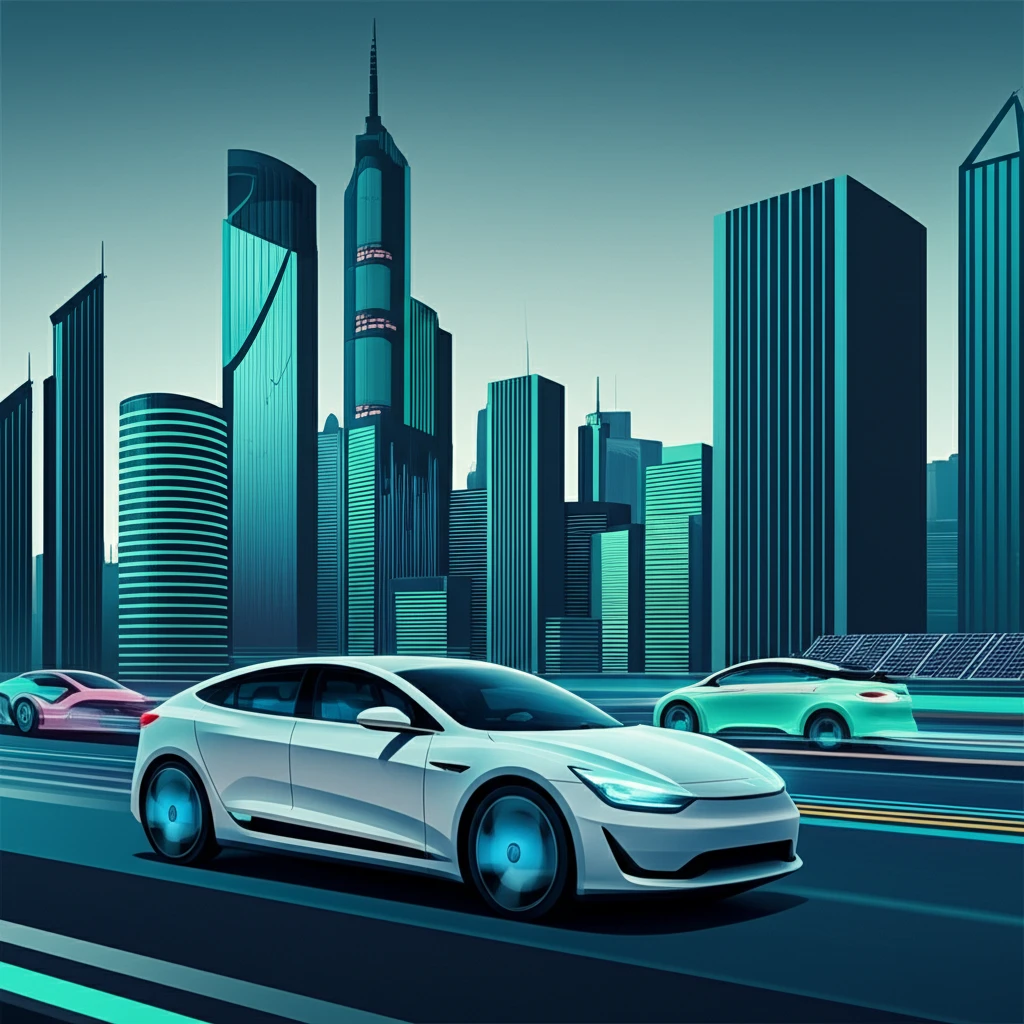
The electric vehicle (EV) market is accelerating at an unprecedented pace, fueled by technological breakthroughs, environmental awareness, and shifting consumer preferences. As we look towards 2025, several key trends are set to redefine what we expect from electric cars, from performance and range to sustainability and connectivity. Understanding these developments is crucial for anyone considering an EV or simply interested in the future of transportation.
No longer a niche market, EVs are becoming mainstream. Governments worldwide are setting ambitious targets for EV adoption, and manufacturers are pouring billions into research and development. This intense competition is leading to rapid innovation, making EVs more efficient, affordable, and desirable. Let's explore the top 10 trends that will shape the electric vehicle landscape in 2025.
Battery technology remains at the heart of EV development. 2025 will see significant advancements in energy density, charging speed, and longevity. Solid-state batteries, though perhaps not fully mainstream, will move closer to commercial viability, promising safer, faster-charging, and longer-range vehicles.
The ubiquity of charging stations, especially ultra-fast chargers, is critical for mass EV adoption. 2025 will witness a dramatic expansion of high-power charging networks (350kW+), drastically cutting down charging times for compatible vehicles.
EVs are increasingly becoming computers on wheels. Software-defined vehicles will allow manufacturers to deliver new features, performance enhancements, and bug fixes through over-the-air (OTA) updates, similar to smartphones.
While fully autonomous vehicles (Level 5) may still be a few years away, 2025 will bring more sophisticated Level 2 and Level 3 ADAS features, offering enhanced safety and convenience on highways.
The focus on sustainability extends beyond zero-tailpipe emissions to the entire lifecycle of the vehicle. Manufacturers will increasingly use recycled and sustainable materials in interiors, exteriors, and battery components.
V2G technology allows EVs to not only draw power from the grid but also feed electricity back into it, stabilizing the grid and potentially generating income for owners. This will see increased adoption in 2025.
The EV market is diversifying beyond sedans and luxury vehicles. 2025 will see an explosion of electric trucks, SUVs, and more affordable compact models, catering to a wider range of consumers and needs.
Integration with smart home ecosystems, enhanced voice control, and seamless smartphone connectivity will become standard. AI-powered assistants will offer a more personalized driving experience.
To maximize range and efficiency, manufacturers will continue to optimize vehicle aerodynamics and use lightweight materials in chassis and body panels, without compromising safety.
As the first generation of EV batteries ages, the focus on recycling and repurposing them will intensify. 2025 will see significant growth in robust battery recycling infrastructure and second-life applications.
2025 promises to be a pivotal year for electric vehicles. From groundbreaking battery innovations and extensive charging networks to smarter, more sustainable, and diverse models, the future of mobility is undeniably electric. These trends not only make EVs more practical and appealing but also contribute to a greener, more sustainable future for everyone.
October 11
Explore the top 10 electric vehicle trends shaping 2025. Discover advancements in battery tech, autonomous driving, sustainable manufacturing, and practical tips for EV buyers.
 October 16
Explore the top 10 electric vehicle trends for 2025, including advanced batteries, software-defined cars, V2X, and sustainable practices. Get ready for the future of automotive!
 October 16
Discover the top 10 electric vehicle trends shaping 2025. Explore advancements in batteries, charging, AI, sustainable design, and more with practical tips.