Rev Up for 2025: The Top 10 Motorcycle Trends You Can't Miss
Discover the top 10 motorcycle trends for 2025! Explore electric bikes, ARAS, retro-modern styles, smart features, and adventure touring. Get ready for the future of riding.

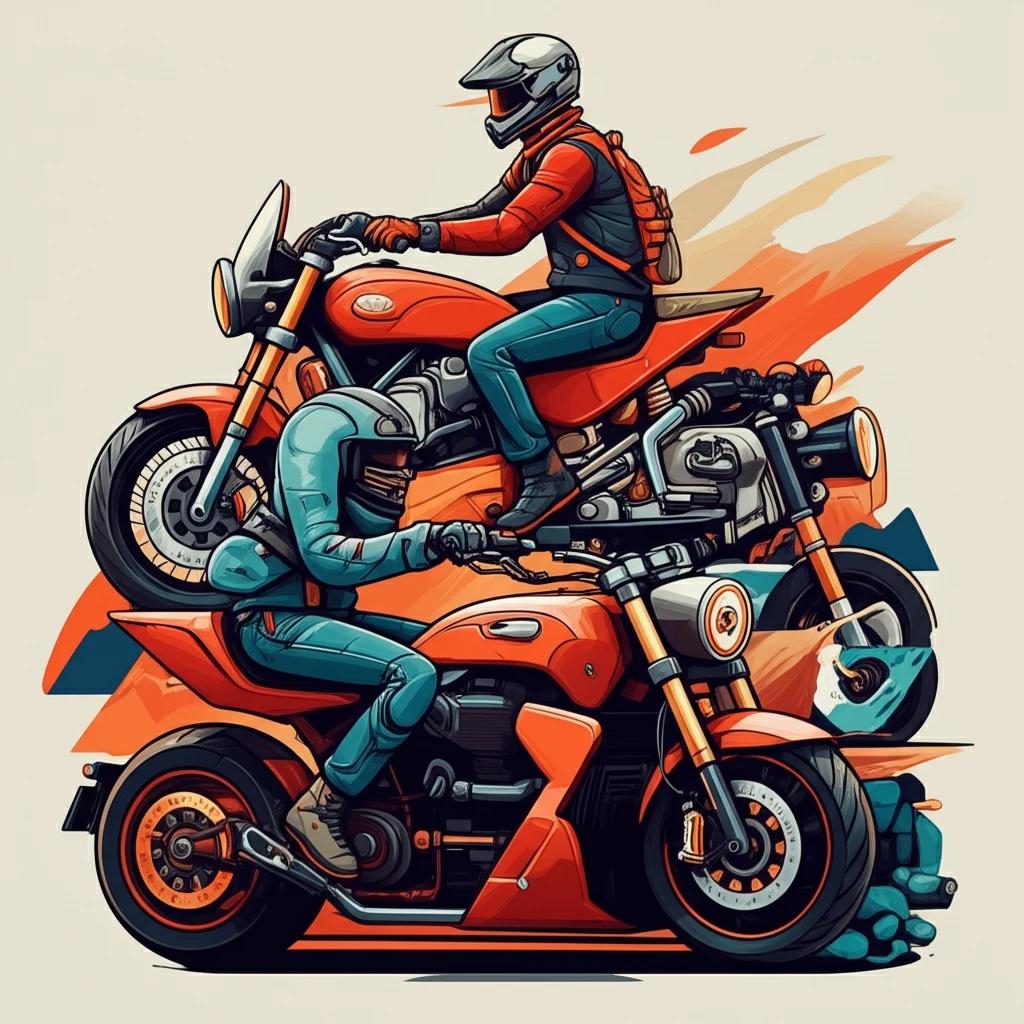
As the calendar flips to 2025, the world of motorcycling is buzzing with innovation, style, and performance enhancements. From sustainable solutions to cutting-edge technology, the upcoming year promises an exhilarating ride for enthusiasts and commuters alike. Whether you're a seasoned rider looking to upgrade or a newcomer eager to join the two-wheeled community, understanding these emerging trends will help you navigate the future of motorcycling. Let's dive into the top 10 motorcycle trends set to dominate 2025.
Electric motorcycles are no longer a niche curiosity; they are rapidly evolving into a mainstream option. With improved battery life, faster charging times, and impressive torque, electric bikes offer a silent, powerful, and environmentally friendly alternative. Manufacturers are investing heavily, making them more accessible and appealing to a broader audience.
Safety and convenience are paramount. 2025 will see more motorcycles equipped with sophisticated ARAS, including adaptive cruise control, blind-spot detection, collision warnings, and even cornering ABS. These systems use radar and sensors to enhance rider awareness and prevent accidents.
The timeless appeal of classic motorcycles meets contemporary engineering. This trend combines vintage aesthetics – think café racers, scramblers, and classic cruisers – with modern engines, suspension, and braking systems. Riders get the best of both worlds: iconic looks and reliable performance.
The desire for individuality continues to drive the market. Manufacturers are offering more factory customization options, while the aftermarket scene flourishes. From modular designs to extensive accessory catalogs, riders can tailor their bikes to reflect their unique style and riding needs.
Adventure bikes continue their meteoric rise, with 2025 bringing even more capable and, importantly, more accessible models. Lightweight ADVs, often in the 300-600cc range, are making off-road exploration and long-distance touring available to a wider demographic, without sacrificing performance.
Motorcycles are becoming smarter. Integrated infotainment systems, smartphone connectivity, turn-by-turn navigation displayed on the dash, and even over-the-air updates will become standard. This enhances the riding experience and keeps riders connected.
Engineers are constantly seeking to reduce weight and improve strength. Expect to see more carbon fiber, aluminum alloys, and other advanced composites in frames, wheels, and bodywork across various segments, leading to better handling, acceleration, and fuel efficiency.
While electric is key, sustainability extends to other areas. This includes more efficient combustion engines designed to meet stricter emissions standards, the use of recycled materials in manufacturing, and a focus on circular economy principles in production and disposal.
As cities become more congested, agile and compact motorcycles and scooters are gaining traction. These urban mobility solutions prioritize ease of maneuverability, fuel efficiency, and practical storage, making them ideal for daily commuting in dense areas.
The future of rider information is hands-free and heads-up. AR helmets that project navigation, speed, warnings, and other data directly onto the visor are becoming more sophisticated and user-friendly, minimizing distraction and maximizing safety.
The motorcycle landscape in 2025 is shaping up to be one of the most dynamic and exciting in recent memory. From the powerful surge of electric bikes to the intelligent integration of ARAS and connectivity, riders have an unprecedented array of choices that blend performance, style, and sustainability. Embrace these trends to make your next ride more thrilling, safer, and truly personalized. The open road awaits, and it's looking brighter than ever!
October 11
Discover the top 10 motorcycle trends for 2025! Explore electric bikes, ARAS, retro-modern styles, smart features, and adventure touring. Get ready for the future of riding.
 October 16
Explore the top 10 motorcycle trends shaping 2025. Discover electric bikes, neo-retro designs, smart tech, and crucial rider tips for the future of two wheels.
 October 16
Discover the top 10 motorcycle trends set to dominate 2025. From electric bikes to advanced safety features, explore the future of riding with examples and tips.