Rev Up for 2025: The Top 10 Motorcycle Trends You Can't Miss
Discover the top 10 motorcycle trends for 2025! Explore electric bikes, ARAS, retro-modern styles, smart features, and adventure touring. Get ready for the future of riding.

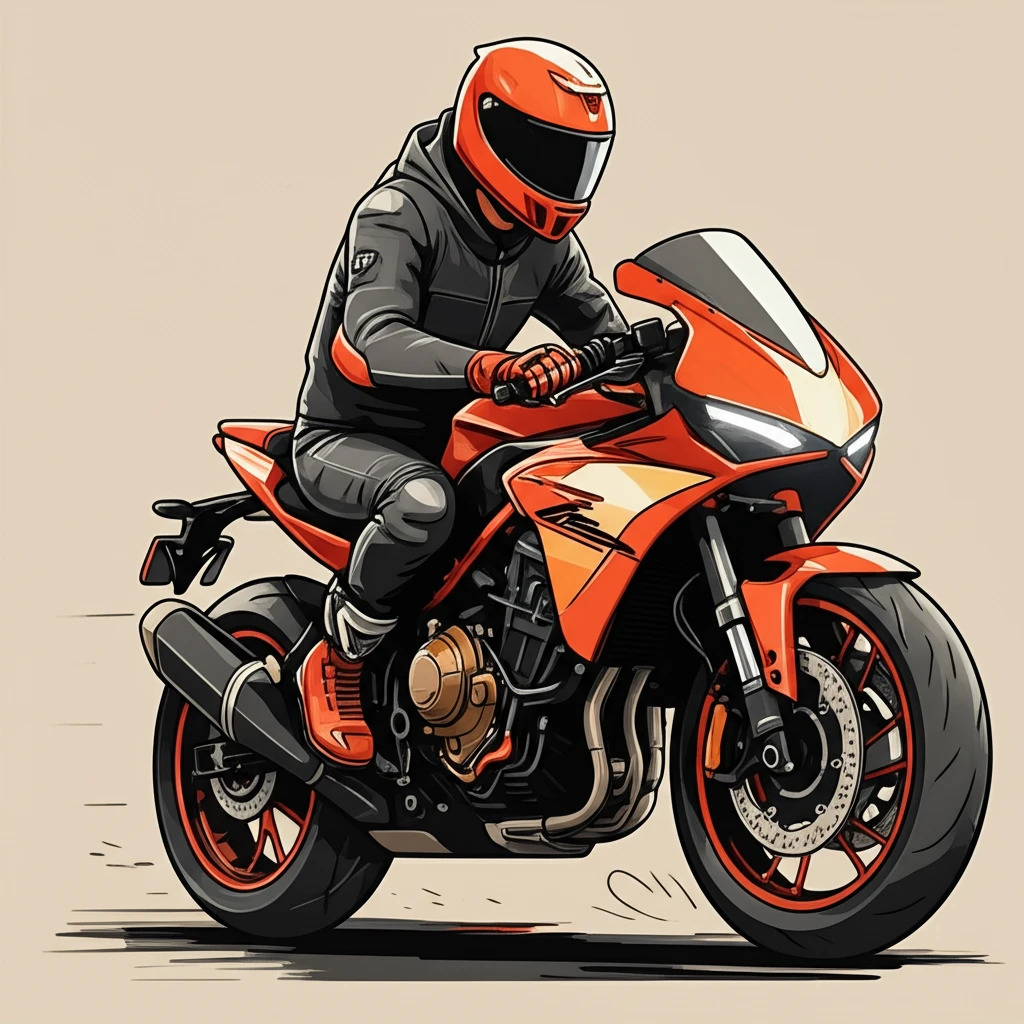
The world of motorcycles is constantly evolving, blending cutting-edge technology with timeless passion for the open road. As we approach 2025, several exciting trends are set to redefine how we ride, what we ride, and the overall experience. From sustainable powerhouses to hyper-connected machines, motorcyclists have much to look forward to. This article delves into the top 10 motorcycle trends for 2025, offering insights, examples, and practical tips to help you stay ahead of the curve.
The automotive industry, particularly the motorcycle segment, is undergoing a significant transformation. Driven by consumer demand for efficiency, connectivity, and environmental responsibility, manufacturers are pushing boundaries. These trends aren't just about aesthetics; they encompass performance, safety, user experience, and a deeper integration with our digital lives. Prepare to see a fusion of classic appeal and futuristic innovation.
Electric motorcycles are no longer a niche. In 2025, we'll see a surge in models offering increased range, faster charging times, and competitive performance. Expect more infrastructure support and a wider variety of styles, from urban commuters to high-performance sportbikes.
Safety technology borrowed from cars is becoming standard in premium motorcycles. ARAS includes features like adaptive cruise control, blind-spot detection, collision warnings, and traction control systems that are more intuitive and responsive than ever before.
The allure of vintage aesthetics combined with modern reliability and performance continues to grow. 2025 will see an even stronger emphasis on bikes that pay homage to classic designs but are packed with contemporary technology and engineering.
Motorcycles are becoming smart devices on two wheels. Full-color TFT displays, smartphone integration, advanced navigation, and even over-the-air updates will be commonplace, offering riders unparalleled control and information.
Adventure bikes continue their reign, evolving to be lighter, more powerful, and even more capable off-road. Expect a wider array of sizes and price points, making adventure riding accessible to more enthusiasts.
Beyond electric powertrains, the industry is increasingly focused on the entire lifecycle of a motorcycle. This includes using recycled materials, eco-friendly paint processes, and ethical sourcing throughout the supply chain.
Riders want their bikes to reflect their personality. Manufacturers are responding by offering extensive factory customization programs, modular designs, and a vast catalog of official accessories that can be configured before purchase.
While still emerging, AR helmets are set to become more mainstream by 2025. These helmets project vital information (speed, navigation, warnings) directly into the rider's field of view, enhancing safety and convenience.
Across all categories, there's a drive towards lighter motorcycles. Utilizing advanced materials like carbon fiber, magnesium alloys, and optimized chassis designs leads to better handling, improved acceleration, and greater fuel efficiency.
For city dwellers, the urban commuter segment is seeing significant innovation. Expect more compact, agile, often electric bikes designed for navigating congested streets with ease, offering practical features like integrated storage and enhanced maneuverability.
To make the most of these exciting developments, here are a few practical tips:
2025 promises to be a groundbreaking year for motorcyclists, with an unprecedented blend of technology, style, and sustainability. Whether you're a seasoned rider or looking to get into motorcycling, these trends offer exciting prospects for safer, smarter, and more thrilling rides. The future of two-wheeled travel is here, and it's more dynamic than ever.
 October 11
Discover the top 10 motorcycle trends for 2025! Explore electric bikes, ARAS, retro-modern styles, smart features, and adventure touring. Get ready for the future of riding.
 October 16
Explore the top 10 motorcycle trends shaping 2025. Discover electric bikes, neo-retro designs, smart tech, and crucial rider tips for the future of two wheels.
 October 16
Discover the top 10 motorcycle trends set to dominate 2025. From electric bikes to advanced safety features, explore the future of riding with examples and tips.