Top 10 Driving Tips & Trends for 2025: Master the Road Ahead
Discover the top 10 driving tips and emerging trends for 2025. Enhance safety, efficiency, and preparedness with practical advice for modern drivers.

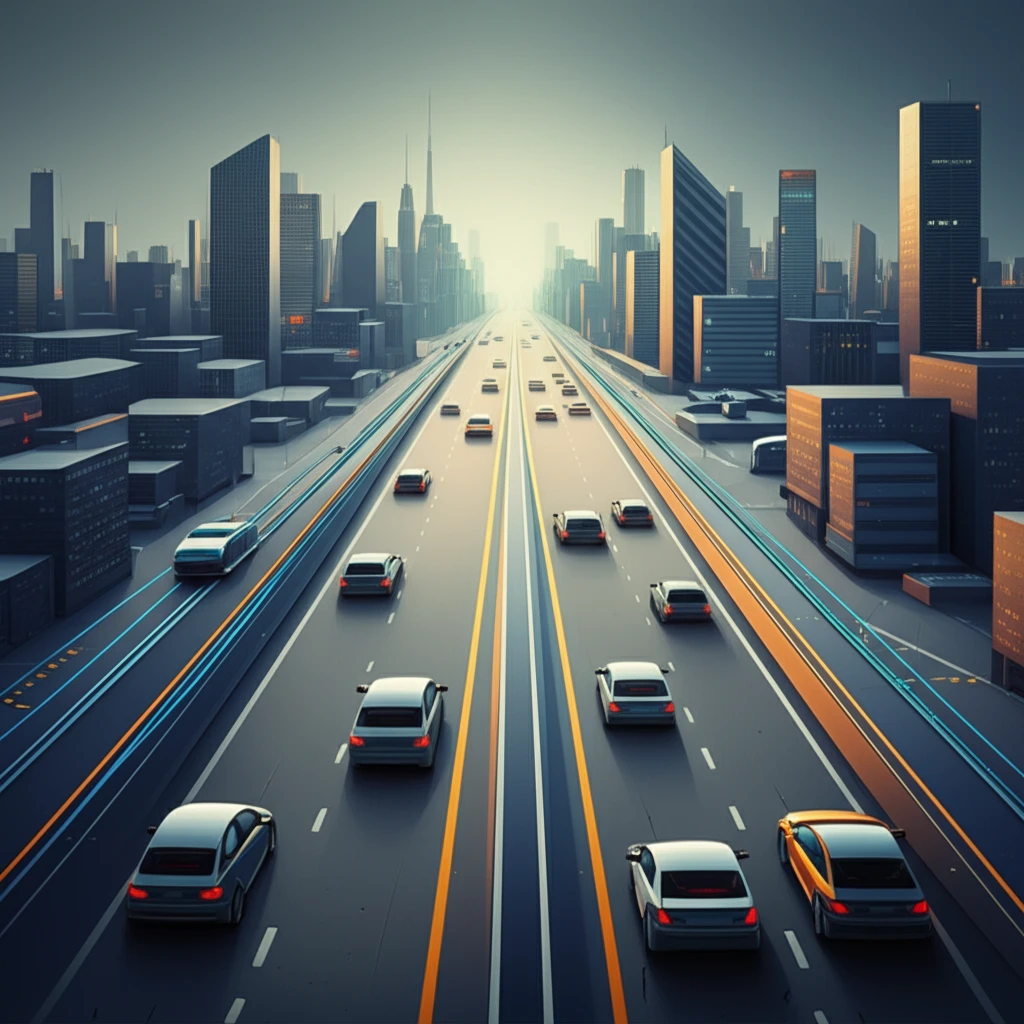
As we accelerate into 2025, the automotive landscape continues to evolve at a rapid pace. From advanced vehicle technology to shifting urban mobility patterns, drivers need to stay ahead of the curve. This article dives into the top 10 trending driving tips that will keep you safe, efficient, and informed on the road in the coming year. Whether you're a seasoned driver or new to the streets, these insights will help you adapt to the future of driving.
Modern vehicles are increasingly equipped with sophisticated ADAS features like adaptive cruise control, lane-keeping assist, and automatic emergency braking. Learn to understand and effectively use these systems as they are designed to enhance your safety, not replace your attention. For example, adaptive cruise control can significantly reduce driver fatigue on long journeys, but always be ready to take manual control.
With the surge in EV adoption, understanding their unique driving characteristics is crucial. EVs offer instant torque and regenerative braking, which can feel different from traditional gasoline cars. Practice modulating the accelerator for smooth acceleration and utilizing regenerative braking to maximize range and reduce wear on conventional brakes. Plan charging stops effectively using in-car navigation or dedicated apps.
As vehicles become more connected, they also become potential targets for cyber threats. Keep your car's software updated, use strong passwords for in-car Wi-Fi or connected services, and be cautious about connecting to unknown networks. Understanding your car's digital vulnerabilities is a growing part of responsible ownership.
Beyond EVs, eco-driving is about maximizing fuel efficiency and minimizing your environmental footprint, regardless of vehicle type. This includes smooth acceleration and braking, maintaining consistent speeds, anticipating traffic, and regular vehicle maintenance (proper tire pressure, clean air filters). These habits not only save fuel but also reduce wear and tear on your vehicle.
Despite technological advancements, human error remains a primary cause of accidents. Commit to a refresher on defensive driving. This means being aware of your surroundings, maintaining safe following distances, anticipating potential hazards, and avoiding distractions. In 2025, with more varied vehicle types (e-scooters, autonomous shuttles) on the road, heightened awareness is key.
While fully autonomous vehicles are still some way off for widespread consumer use, many cars offer Level 2 or 3 autonomy. Know exactly what your vehicle is capable of and, more importantly, its limitations. Never assume your car can handle every situation independently; remain attentive and ready to intervene.
The rise of remote work and 'work from anywhere' lifestyles means more people are driving for leisure and extended periods. This calls for renewed road trip planning skills, awareness of local driving laws in different regions, and courtesy to other drivers, especially in shared rest areas and charging stations.
City driving in 2025 will continue to present unique challenges: congestion, shared lanes with cyclists and micromobility, and dynamic parking solutions. Utilize real-time traffic apps, understand local parking regulations, and be especially vigilant in busy urban environments where pedestrians and various modes of transport coexist.
Many insurance companies now offer telematics programs that monitor your driving habits (speed, braking, mileage) in exchange for personalized premiums. Consider opting in if you're a safe driver; it can save you money and encourage better driving behavior, making insurance more fair and transparent.
Road rules, speed limits, toll systems, and charging infrastructure are constantly evolving. Regularly check for updates from local transportation authorities. Being aware of new road layouts, smart traffic light systems, and specific lanes for EVs or shared mobility can significantly improve your daily commute and overall driving experience.
Driving in 2025 is more than just getting from point A to point B; it's about navigating a dynamic and technologically advanced environment. By integrating these top 10 trending driving tips into your routine, you'll not only enhance your safety and efficiency but also contribute to a smoother, smarter, and more sustainable future on our roads. Stay curious, stay informed, and drive responsibly!
 October 11
Discover the top 10 driving tips and emerging trends for 2025. Enhance safety, efficiency, and preparedness with practical advice for modern drivers.
 October 16
Discover the top 10 trending driving tips for 2025. Master EV dynamics, embrace ADAS, enhance cybersecurity, and practice eco-driving for a safer, smarter journey.
 October 16
Stay ahead with the top 10 trending driving tips for 2025. Learn practical advice, new technologies, and eco-friendly habits to enhance your driving experience.