Top 10 Driving Tips & Trends for 2025: Master the Road Ahead
Discover the top 10 driving tips and emerging trends for 2025. Enhance safety, efficiency, and preparedness with practical advice for modern drivers.

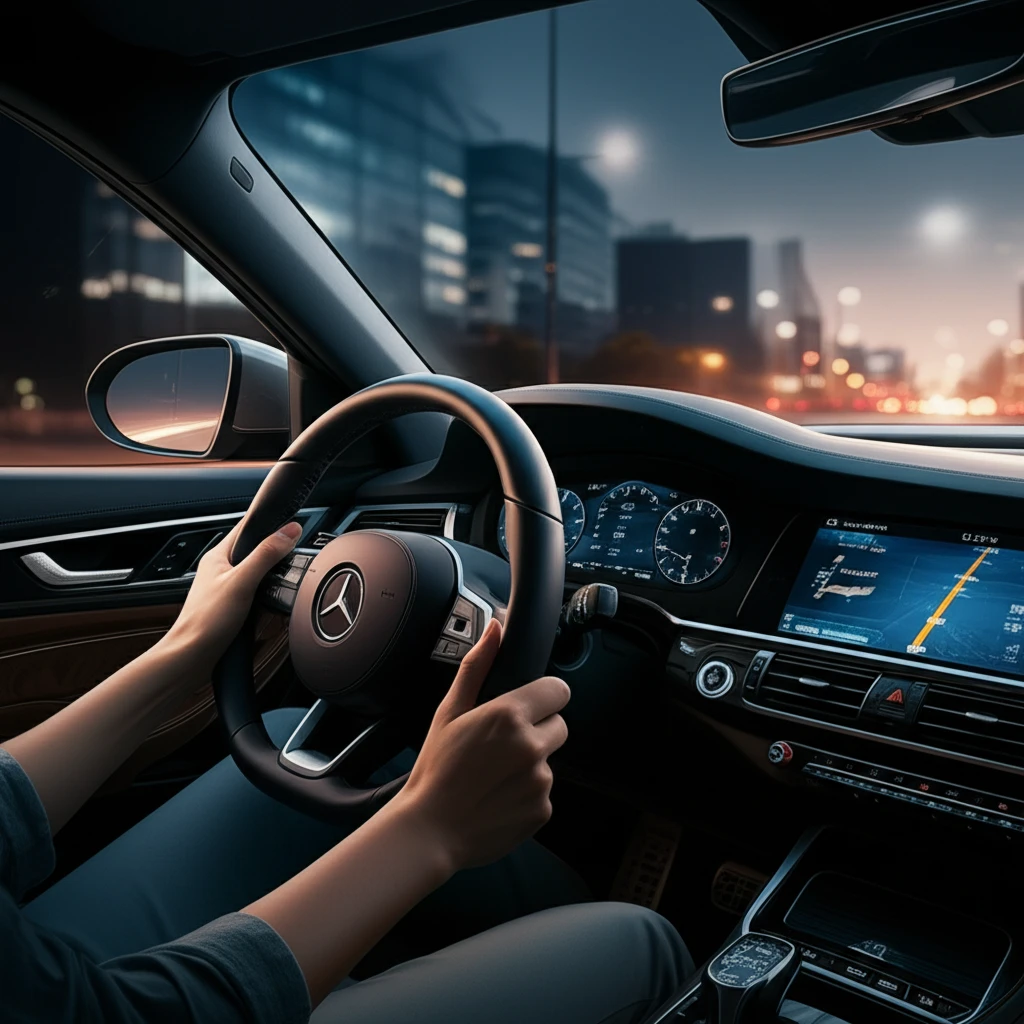
As we steer into 2025, the automotive landscape continues its rapid evolution. From advanced driver-assistance systems (ADAS) to an increased focus on sustainable practices, staying updated with the latest driving trends is not just about being 'fashionable' on the road, but also about safety, efficiency, and enhancing your overall driving experience. This comprehensive guide will equip you with the top 10 trending driving tips for 2025, ensuring you're a skilled and responsible driver for the future.
With environmental concerns at the forefront, eco-driving continues to evolve. Predictive eco-driving utilizes navigation data and real-time traffic information to anticipate road conditions, allowing you to optimize your acceleration, braking, and gear selection (for manual cars) for maximum fuel efficiency and reduced emissions. Many modern vehicles now offer integrated systems that guide you, but even without them, a proactive, smooth driving style — looking far ahead and anticipating stops — is key.
Practical Tip: Use your car's 'Eco Mode' if available, and practice maintaining a consistent speed on highways by leveraging cruise control, especially adaptive cruise control if your vehicle has it.
Advanced Driver-Assistance Systems (ADAS) are no longer exclusive to luxury cars. Features like Adaptive Cruise Control, Lane Keeping Assist, Blind Spot Monitoring, and Automatic Emergency Braking are becoming standard. Understanding their capabilities and limitations is crucial. Don't just rely on them; learn how they augment your driving.
Practical Tip: Read your car's manual thoroughly. Practice using ADAS features in controlled environments to build confidence and understand their operational nuances. Remember, they are aids, not replacements for attentive driving.
Distracted driving remains a leading cause of accidents. In 2025, with increasing connectivity, the trend is towards a complete digital detox behind the wheel. Put your phone away, silence notifications, and resist the urge to glance at smartwatches or infotainment systems unnecessarily.
Practical Tip: Activate 'Do Not Disturb While Driving' features on your smartphone. Plan your route and entertainment before you start driving. If you must use your phone, pull over safely.
Vehicle-to-Everything (V2X) communication, including V2V (Vehicle-to-Vehicle) and V2I (Vehicle-to-Infrastructure), is set to become more prevalent. This technology allows cars to communicate with each other and with traffic infrastructure (traffic lights, road sensors), providing real-time warnings about hazards, traffic jams, and even optimizing traffic flow. While still emerging, understanding its potential is key.
Practical Tip: Stay informed about local initiatives implementing V2X technology. While you might not directly interact with it yet, knowing its role helps you understand the future of driving and smarter road systems.
Tires are your car's only contact with the road. Beyond regular pressure checks, advanced tire monitoring systems are becoming more sophisticated, even predicting potential issues. Proper tire inflation significantly impacts fuel efficiency, handling, and safety.
Practical Tip: Check your tire pressure weekly, including the spare. Invest in a good quality tire pressure gauge. If your car has a Tire Pressure Monitoring System (TPMS), understand its alerts and act promptly.
Defensive driving evolves with technology. 'Defensive Driving 2.0' means not only anticipating human error but also understanding how autonomous features in other vehicles might behave. It’s about being aware of both traditional and tech-driven road scenarios.
Practical Tip: Always maintain a safe following distance. Scan your surroundings constantly, not just immediately ahead. Be extra cautious around vehicles that appear to be operating with ADAS, as their reactions can sometimes be different from a human driver's.
Modern cars are essentially computers on wheels. Just like your smartphone, they receive over-the-air (OTA) software updates that can improve performance, enhance safety features, and even add new functionalities. Neglecting these updates can lead to security vulnerabilities or suboptimal performance.
Practical Tip: Always allow your vehicle to perform recommended software updates. Ensure your car’s connectivity is active when parked in a safe, secure location to facilitate these updates.
Parking in urban environments is often a challenge. Parking assist features, ranging from rear-view cameras and parking sensors to fully autonomous parking systems, are becoming more common and sophisticated. Learning to trust and effectively use these aids can save time and prevent minor scrapes.
Practical Tip: Practice using your car’s parking assist features in an empty parking lot. Understand where the sensors are and how the system guides you. Don't be afraid to take over if you feel uncomfortable.
Long commutes or drives can take a toll. The trend for 2025 emphasizes driver wellness through optimized cabin ergonomics. Proper seat adjustment, steering wheel position, and even climate control settings can significantly reduce fatigue and improve focus.
Practical Tip: Adjust your seat so your feet comfortably reach the pedals and your wrists can rest on the top of the steering wheel. Take regular breaks on long journeys to stretch and refresh.
Roads and regulations are constantly changing. From new lane configurations for autonomous vehicles to updated speed limits and specific rules for electric vehicles, staying informed about local and national traffic law changes is paramount.
Practical Tip: Follow local transportation department news. Pay attention to road signs, especially in new areas or construction zones. Regular refreshers on traffic laws are always a good idea.
Driving in 2025 is an exciting blend of human skill and technological advancement. By adopting these trending driving tips, you're not just keeping up with the times; you're actively contributing to safer roads, more efficient journeys, and a more enjoyable driving experience for everyone. So, buckle up, stay informed, and drive smart!
 October 11
Discover the top 10 driving tips and emerging trends for 2025. Enhance safety, efficiency, and preparedness with practical advice for modern drivers.
 October 16
Discover the top 10 trending driving tips for 2025. Master EV dynamics, embrace ADAS, enhance cybersecurity, and practice eco-driving for a safer, smarter journey.
 October 16
Stay ahead with the top 10 trending driving tips for 2025. Learn practical advice, new technologies, and eco-friendly habits to enhance your driving experience.