
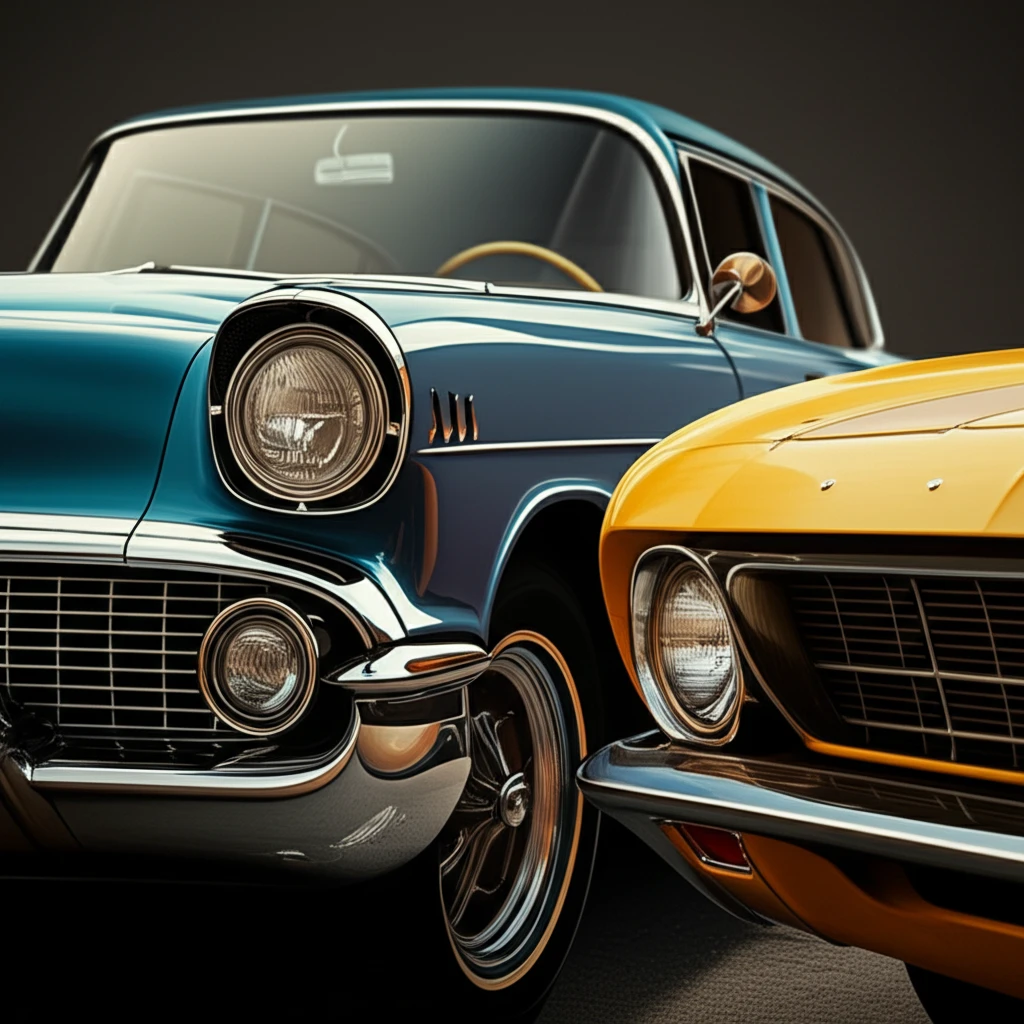
Top 5 Classic Car Trends Set to Dominate 2025
The world of classic cars is more than just a hobby; it's a vibrant subculture of history, style, and investment. As we look ahead to 2025, certain trends are emerging, shaping what collectors and enthusiasts will be eyeing. Forget simply owning a vintage vehicle; it's about making a statement, appreciating automotive heritage, and making smart choices. Understanding these trends can help you navigate the market, identify potential investments, or simply enjoy the ride in a truly timeless machine.
From appreciating the understated elegance of forgotten gems to embracing the electric future for classics, 2025 promises exciting shifts. Here are the top 5 classic car trends that we predict will capture the imagination and wallets of enthusiasts next year.
1. The Rise of "Youngtimers" and Modern Classics
The definition of "classic" is constantly evolving. In 2025, the spotlight will increasingly shine on "youngtimers" – cars from the late 1980s, 1990s, and early 2000s that are now appreciating in value and desirability. These vehicles offer a blend of modern convenience with classic charm, often at a more accessible entry price than their older counterparts.
Why They're Trending:
- Nostalgia Factor: Many buyers grew up with these cars, evoking strong sentimental value.
- Reliability: Generally more reliable and easier to maintain than older classics.
- Driving Experience: Offer a more engaging, analogue driving experience compared to modern cars, but with features like power steering and AC.
Examples and Tips:
Look for well-maintained examples of the BMW E30 M3, Mercedes-Benz 190E Cosworth, early Mazda MX-5 Miata (NA), Toyota Supra MKIV, and Honda NSX. When investing, focus on original condition, low mileage, and complete service history. These are often the first cars to be "modded," so original examples are becoming rarer and more valuable.
2. Focus on "Restomods" with a Sustainable Twist
Restoration and modification ("restomodding") continue to be popular, but 2025 will see a growing emphasis on sustainability and modern efficiency. This means integrating eco-friendlier materials, optimizing engines for better fuel economy, or even full EV conversions that preserve the classic's aesthetic.
The Green Evolution of Restomodding:
- Electric Conversions: Swapping internal combustion engines for electric powertrains, offering silent speed and emissions-free driving without sacrificing classic looks.
- Biofuel Compatibility: Modifying engines to run on sustainable biofuels where possible.
- Sustainable Materials: Using recycled or ethically sourced materials for interiors and bodywork.
Examples and Tips:
Companies like Lunaz and Everrati are leading the charge with stunning EV conversions of iconic models like the Rolls-Royce Phantom and Porsche 911. For DIY enthusiasts, consider upgrading existing engines with modern fuel injection systems for better efficiency. Focus on reversible modifications if you're concerned about preserving original value, or go all-in on a well-executed EV swap if future-proofing is your goal.
3. The Appeal of Understated European Elegance
While muscle cars and flashier models always have their fans, 2025 will likely see a refined appreciation for understated European elegance. Think sophisticated designs, superior craftsmanship, and a focus on driving pleasure over sheer power. These are cars that speak volumes without shouting.
Characteristics to Look For:
- Clean Lines: Timeless, uncluttered designs.
- Luxury and Comfort: High-quality interiors, comfortable ride.
- Engineering Prowess: Often innovative for their time, demonstrating advanced mechanics.
Examples and Tips:
Models like the Lancia Fulvia, Alfa Romeo Giulia GT, early Mercedes-Benz SL (Pagoda), and certain Peugeot models from the 60s and 70s are gaining traction. These cars offer a sophisticated entry into classic car ownership. Seek out models with good provenance and original interiors, as these often add significant value. Maintenance can be complex for some Italian marques, so a trusted specialist is key.
4. Japanese Icons: From Underdogs to Undisputed Collectibles
The ascent of Japanese classics has been undeniable, and 2025 will solidify their status as serious collectibles. Once considered mere imports, models from Nissan, Toyota, Honda, and Mazda from the 80s and 90s are now commanding premium prices, driven by their reliability, engineering, and cultural impact.
Why Japanese Classics are Hot:
- Reliability and Durability: Known for their robust engineering.
- Tuning Potential: Popular in the aftermarket scene, but stock examples are now highly prized.
- Pop Culture Influence: Featured prominently in movies, games, and media, attracting younger collectors.
Examples and Tips:
The Nissan Skyline GT-R (especially R32, R33, R34), Toyota Supra (MKIII & MKIV), Honda S2000, and Mazda RX-7 (FD3S) are leading this charge. Investment tips include prioritizing unmolested, original condition cars. Aftermarket modifications can significantly devalue these if not done professionally or if they aren't period correct. Import regulations and availability also play a role in their value.
5. The Experiential Classic: Driving Over Showing
While concours events remain important, 2025 will highlight a growing trend towards "driving" classics rather than just showing them. This means cars that are mechanically sound, enjoyable to drive, and perhaps even daily drivable in certain circumstances. The focus shifts from pristine garage queens to road-trip-ready companions.
Embracing the Journey:
- Reliability Upgrades: Modern brakes, improved cooling, and electronic ignition for trouble-free touring.
- Comfort Enhancements: Subtle interior upgrades (e.g., better sound insulation, modern stereo hidden away) that don't detract from originality.
- Community Events: Participation in rallies, tours, and casual meet-ups where driving is the primary activity.
Examples and Tips:
Consider robust and relatively simple classics like early Porsche 911s (pre-964), various MG B roadsters, Triumph TR6s, or even Volkswagen Beetles. When buying, prioritize mechanical condition over cosmetic perfection if your goal is to drive the car extensively. Invest in regular maintenance by a specialist and don't be afraid to put miles on your classic – that's what they were built for!
Conclusion: Navigating the Classic Car Landscape of 2025
The classic car market in 2025 is dynamic and diverse, offering opportunities for every type of enthusiast. Whether you're drawn to the nostalgic charm of a youngtimer, the sustainable future of a restomod, the quiet elegance of a European grand tourer, the cult status of a Japanese icon, or simply the pure joy of driving, there's a trend for you.
Remember that passion and research go hand-in-hand. Always do your due diligence, consult with experts, and most importantly, choose a classic car that genuinely excites you. After all, the best investment is often the one that brings the most smiles per gallon.


