Top 10 Electric Vehicle Trends for 2025: Driving the Future of Mobility
Explore the top 10 electric vehicle trends shaping 2025. Discover advancements in battery tech, autonomous driving, sustainable manufacturing, and practical tips for EV buyers.

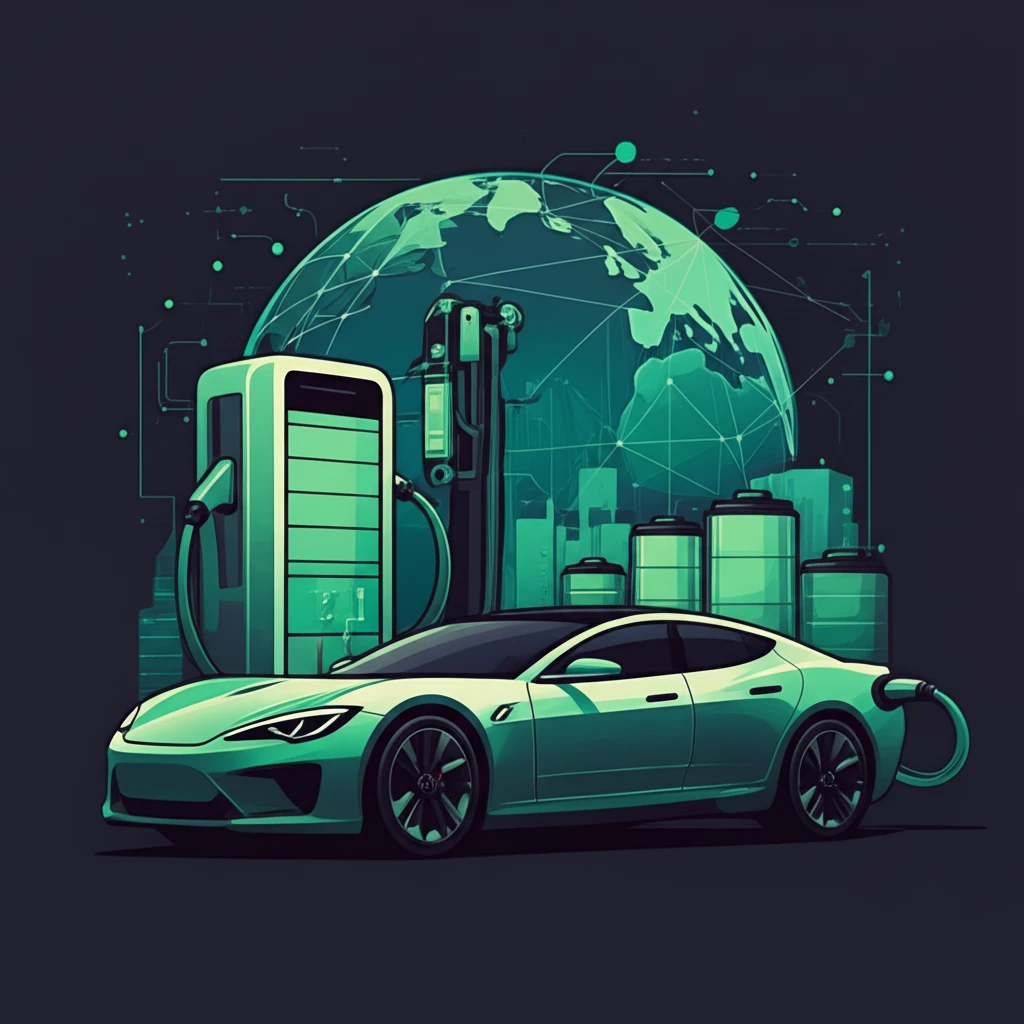
The automotive industry is in the midst of a transformative shift, with Electric Vehicles (EVs) leading the charge towards a sustainable future. As we approach 2025, several key trends are emerging that will redefine how we perceive, use, and interact with electric cars. From revolutionary battery technology to integrated smart features, understanding these trends is crucial for both enthusiasts and potential EV buyers. Let's delve into the top 5 Electric Vehicle trends that are set to dominate the landscape in 2025 and beyond.
Electric Vehicles are more than just a passing fad; they represent a fundamental change in transportation. Driven by environmental concerns, government incentives, and rapid technological advancements, EVs offer numerous benefits including reduced emissions, lower running costs, and a quieter, smoother driving experience. The ongoing innovation in this sector promises even more efficient, affordable, and feature-rich vehicles.
Battery technology remains at the heart of EV development. In 2025, expect to see significant strides in energy density, charging speed, and longevity. Solid-state batteries, though still in early stages for mass production, will inch closer to commercial viability, promising higher energy capacity, faster charging, and improved safety compared to current lithium-ion batteries. We'll also see further optimization of existing battery chemistries, leading to more affordable EVs with ranges exceeding 300-400 miles on a single charge.
The expansion and improvement of charging infrastructure are critical for widespread EV adoption. 2025 will bring a significant increase in the number of public charging stations, especially Level 3 DC fast chargers. We'll also see the standardization of charging connectors (like the NACS standard gaining traction) and more reliable, user-friendly charging networks. Ultra-fast charging will become more commonplace, allowing EVs to gain hundreds of miles of range in just minutes, making long-distance travel more convenient.
EVs are becoming increasingly integrated with smart home systems and the broader energy grid. Vehicle-to-Grid (V2G) technology, which allows EVs to send power back to the grid during peak demand or to power a home during outages, will see greater implementation. Furthermore, expect more sophisticated in-car infotainment systems, seamless smartphone integration, and advanced driver-assistance systems (ADAS) that enhance safety and convenience through AI and machine learning.
As EV production scales, the focus on sustainable manufacturing processes and materials will intensify. Manufacturers will prioritize reducing the carbon footprint of production, utilizing recycled materials in vehicle components, and improving battery recycling methods. The concept of a circular economy, where resources are reused and waste is minimized, will play a larger role in the entire EV lifecycle, from raw material sourcing to end-of-life recycling.
The EV market is diversifying rapidly beyond luxury sedans and premium SUVs. 2025 will see an influx of more affordable compact EVs, electric trucks, vans, and a wider range of SUVs to cater to different consumer needs and budgets. This expansion into various segments, coupled with falling battery costs and government incentives, will make electric mobility accessible to a broader audience, pushing EVs further into the mainstream.
Considering an EV? Here are a few tips:
The year 2025 promises to be a pivotal one for Electric Vehicles, marked by relentless innovation in battery technology, a robust charging ecosystem, smart integration, sustainable practices, and a wider array of affordable options. These trends collectively paint a picture of an exciting and accessible electric future. By staying informed and embracing these advancements, consumers can confidently transition to electric mobility, contributing to a cleaner planet and enjoying the many benefits of next-generation automotive technology.
 October 11
Explore the top 10 electric vehicle trends shaping 2025. Discover advancements in battery tech, autonomous driving, sustainable manufacturing, and practical tips for EV buyers.
 October 16
Explore the top 10 electric vehicle trends for 2025, including advanced batteries, software-defined cars, V2X, and sustainable practices. Get ready for the future of automotive!
 October 16
Discover the top 10 electric vehicle trends shaping 2025. Explore advancements in batteries, charging, AI, sustainable design, and more with practical tips.