Top 10 Electric Vehicle Trends for 2025: Driving the Future of Mobility
Explore the top 10 electric vehicle trends shaping 2025. Discover advancements in battery tech, autonomous driving, sustainable manufacturing, and practical tips for EV buyers.

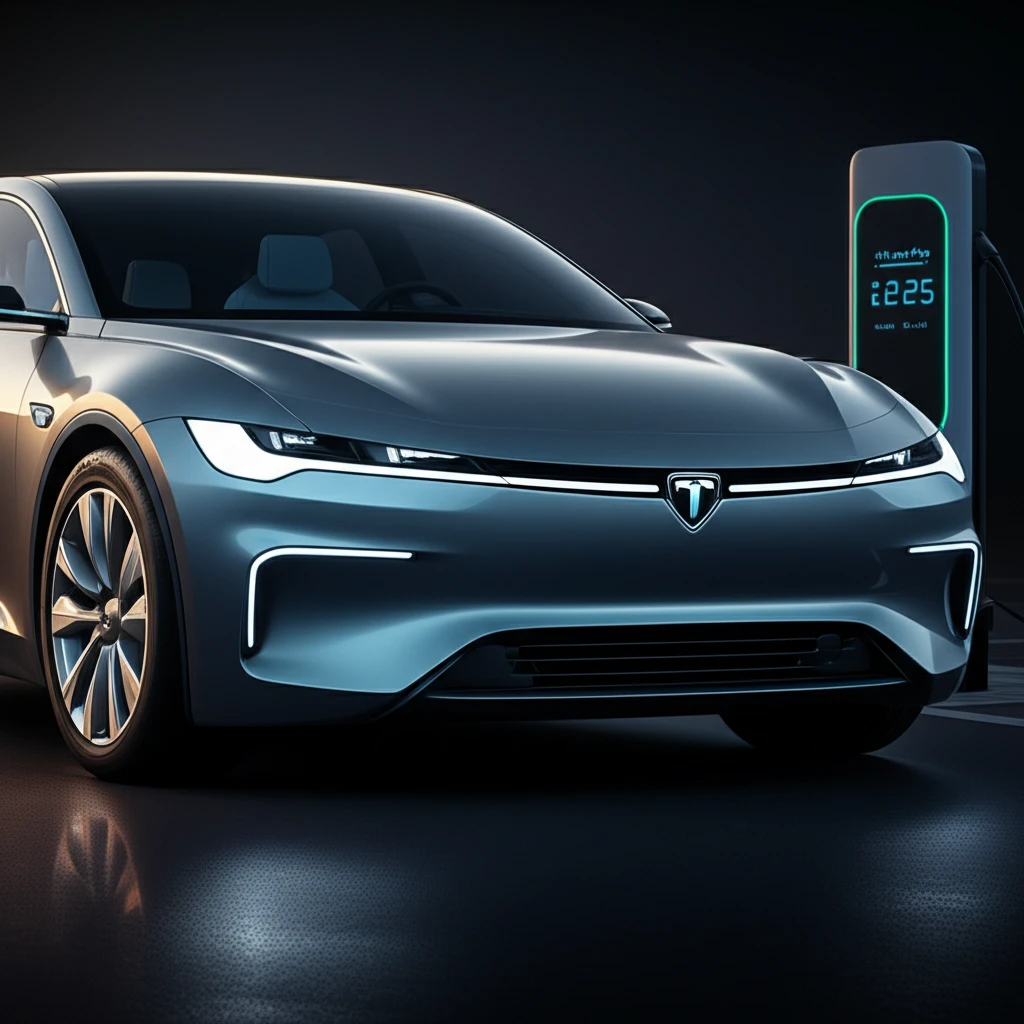
The automotive industry is in the midst of a profound transformation, with Electric Vehicles (EVs) leading the charge towards a more sustainable and technologically advanced future. As we approach 2025, several key trends are emerging that will redefine how we view, drive, and interact with our vehicles. From groundbreaking battery innovations to integrated smart technologies, the EV landscape is evolving rapidly. Understanding these trends can help consumers and enthusiasts alike navigate the exciting developments ahead. Let's delve into the top 5 Electric Vehicle trends set to dominate in 2025.
One of the most critical areas of innovation in EVs continues to be battery technology. In 2025, expect to see significant strides in energy density, charging speed, and overall battery lifespan. Solid-state batteries, while still in advanced development, are inching closer to commercial viability, promising safer, lighter, and more energy-dense power packs that could drastically increase range and reduce charging times. Even with current lithium-ion technology, improvements in cell chemistry and packaging are pushing ranges beyond 400 miles on a single charge for many new models, alleviating range anxiety for good.
When considering an EV, look beyond just the advertised range. Research the battery's chemistry, warranty, and expected degradation over time. Faster charging capabilities (measured in kW) will also become increasingly important for long-distance travel.
The car of tomorrow is as much a rolling computer as it is a mode of transport. Software-defined vehicles (SDVs) are becoming the norm, allowing for over-the-air (OTA) updates that can enhance performance, add new features, and improve safety without a trip to the dealership. Artificial intelligence (AI) is also being integrated more deeply, from predictive maintenance and personalized infotainment systems to advanced driver-assistance systems (ADAS) that bring us closer to fully autonomous driving.
Prioritize EVs from manufacturers known for robust software development and frequent updates. A car with upgradeable software ensures your vehicle remains modern and safe for longer, potentially impacting its resale value.
As sustainability becomes a core tenet of the EV movement, manufacturers are increasingly focusing on the entire lifecycle of their vehicles. Expect to see a greater emphasis on sustainable and recycled materials in interiors and exteriors, reducing the environmental footprint of production. The circular economy concept is also gaining traction, with initiatives for efficient battery recycling and repurposing becoming more widespread, aiming to minimize waste and maximize resource utilization.
Research a manufacturer's sustainability reports and material sourcing policies. A commitment to eco-friendly production and recycling programs is a strong indicator of a brand's dedication to a greener future.
The expansion of charging infrastructure is critical for mainstream EV adoption, and 2025 will see continued rapid growth in public and private charging options. Beyond simply charging, Vehicle-to-Everything (V2X) technology will become more prominent. This includes Vehicle-to-Grid (V2G), allowing EVs to feed power back into the electricity grid during peak demand, and Vehicle-to-Home (V2H), enabling an EV to power a house during outages. These capabilities transform EVs into mobile power hubs, adding significant value.
Before purchasing an EV, assess the charging infrastructure in your daily routes and at home. If available, consider models with V2G or V2H capabilities, as they can offer energy savings and backup power solutions.
The EV market is no longer exclusive to luxury brands. 2025 will see a continued influx of new players and a broadening range of affordable EV options across various segments. From compact urban cars to robust electric trucks and SUVs, there will be an EV for almost every budget and lifestyle. This diversification is driven by increased competition, economies of scale, and advancements in manufacturing, making EVs more accessible to the general public.
Don't limit your search to well-known brands. Explore offerings from newer manufacturers and upcoming models, as they often provide excellent value, cutting-edge technology, and unique features. Take advantage of government incentives and tax credits for EV purchases.
The Electric Vehicle landscape in 2025 promises to be more dynamic and exciting than ever before. With advancements in battery technology, sophisticated software integration, a strong focus on sustainability, expanding charging networks, and a wider array of affordable options, EVs are poised to move beyond a niche market and into the mainstream. These trends collectively point towards a future where electric mobility is not just an alternative but the preferred, intelligent, and environmentally conscious choice for drivers worldwide.
 October 11
Explore the top 10 electric vehicle trends shaping 2025. Discover advancements in battery tech, autonomous driving, sustainable manufacturing, and practical tips for EV buyers.
 October 16
Explore the top 10 electric vehicle trends for 2025, including advanced batteries, software-defined cars, V2X, and sustainable practices. Get ready for the future of automotive!
 October 16
Discover the top 10 electric vehicle trends shaping 2025. Explore advancements in batteries, charging, AI, sustainable design, and more with practical tips.