Top 6 Automotive Industry News Trends for 2025
The automotive industry is in a constant state of flux, driven by technological advancements, evolving consumer demands, and a global push towards sustainability. As we approach 2025, several key trends are poised to redefine how vehicles are designed, manufactured, driven, and even owned. Understanding these shifts is crucial for manufacturers, suppliers, policymakers, and consumers alike.
This article delves into the top six pivotal trends set to dominate the automotive landscape in 2025, offering insights, examples, and practical tips for navigating this exciting future.
1. The Accelerated Shift to Electrification and Enhanced EV Infrastructure
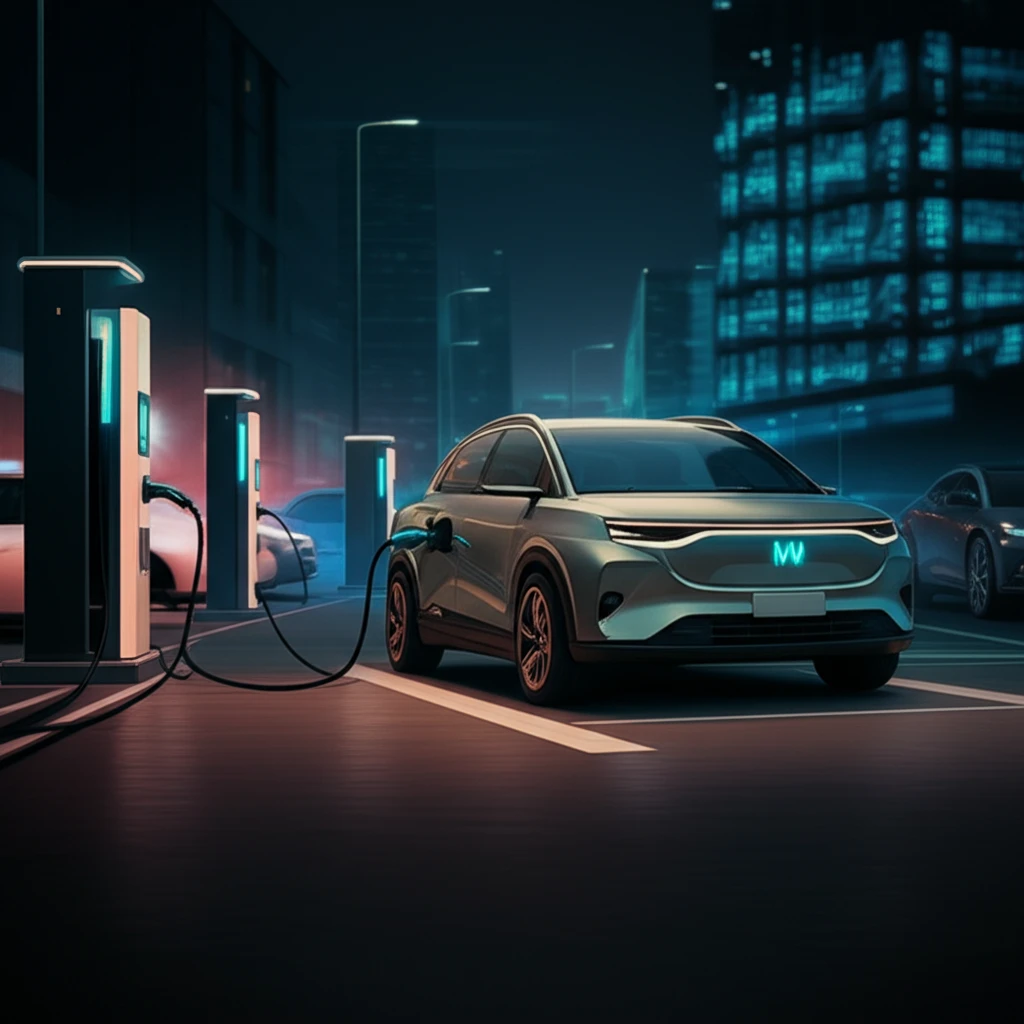
The electric vehicle (EV) revolution is no longer a distant future; it's a rapidly unfolding reality. By 2025, we'll see a significant increase in EV models across all segments, from compact city cars to heavy-duty trucks. This surge will be supported by more robust and widespread charging infrastructure, including ultra-fast chargers and innovative battery swapping stations.
Examples:
- Major automakers launching dedicated EV platforms capable of higher range and faster charging.
- Government incentives and private investments boosting the expansion of public and private charging networks.
- Advancements in solid-state batteries promising greater energy density and reduced charging times.
Practical Tips:
For consumers, now is an excellent time to explore EV options, considering factors like range, charging availability, and potential government subsidies. For businesses, investing in EV fleet conversions and workplace charging solutions can offer long-term cost savings and demonstrate environmental commitment.
2. Advancements in Autonomous Driving and AI Integration
While fully autonomous Level 5 vehicles may still be some years away, 2025 will witness substantial progress in Level 2 (partial automation) and Level 3 (conditional automation) systems. Artificial intelligence (AI) will play a more sophisticated role in processing sensor data, making real-time decisions, and enhancing predictive capabilities for safer and more efficient driving.
Examples:
- Widespread integration of advanced cruise control that handles highway driving, including lane changes.
- Expansion of automated parking features capable of navigating complex parking structures.
- Pilot programs for Level 4 autonomous ride-hailing services in geofenced urban areas.
Practical Tips:
When purchasing a new vehicle, prioritize models equipped with comprehensive Advanced Driver-Assistance Systems (ADAS) for enhanced safety and convenience. Stay informed about local regulations and infrastructure developments for autonomous vehicles, as these will dictate their practical usability.
3. Sustainable Manufacturing and Eco-Friendly Materials
Environmental concerns are driving significant changes in automotive production. By 2025, there will be a stronger emphasis on circular economy principles, with manufacturers focusing on reducing waste, using recycled and renewable materials, and minimizing their carbon footprint throughout the supply chain.
Examples:
- Increased use of recycled plastics, plant-based leathers, and innovative composite materials in vehicle interiors and exteriors.
- Development of carbon-neutral manufacturing plants powered by renewable energy.
- Design for recyclability, ensuring components can be easily reused or reprocessed at the end of a vehicle's life cycle.
Practical Tips:
Support brands that are transparent about their sustainability efforts and actively incorporate eco-friendly practices. Look for certifications and initiatives that demonstrate a genuine commitment to reducing environmental impact.
4. Hyper-Connectivity and Data Monetization in Vehicles
Cars are transforming into highly connected mobile hubs, capable of communicating with other vehicles (V2V), infrastructure (V2I), and the cloud (V2C). This hyper-connectivity will enable a new wave of services and data-driven insights, opening avenues for data monetization and personalized in-car experiences.
Examples:
- Real-time traffic optimization, predictive maintenance alerts, and remote diagnostics.
- Personalized infotainment systems, streaming services, and over-the-air (OTA) software updates.
- Insurance models based on driving behavior data and subscription services for features like performance upgrades or heated seats.
Practical Tips:
Understand the data privacy policies of your connected car services. Leverage the convenience of OTA updates for vehicle improvements and explore connected features that enhance your driving experience and safety.
5. Rise of Subscription Models and Mobility-as-a-Service (MaaS)
The traditional model of car ownership is being challenged by flexible alternatives. By 2025, subscription models for vehicles and comprehensive Mobility-as-a-Service (MaaS) platforms will gain significant traction, offering consumers more choices and greater flexibility in how they access transportation.
Examples:
- Automaker-backed car subscription services offering access to different models for a monthly fee.
- Integrated MaaS apps that combine public transport, ride-sharing, bike-sharing, and car-sharing into a single, seamless payment and planning platform.
- Short-term rental services focusing on specific needs, like weekend getaways or commercial deliveries.
Practical Tips:
Consider whether a car subscription or MaaS solution might better suit your lifestyle and budget, especially if you don't use a car daily or prefer variety. For urban dwellers, MaaS can offer a cost-effective and environmentally friendly alternative to ownership.
6. Evolution of Advanced Driver-Assistance Systems (ADAS) for Enhanced Safety
Beyond the basics, ADAS technologies will become even more sophisticated and integrated by 2025, moving towards predictive and preventive measures that significantly reduce the risk of accidents. These systems will leverage improved sensors, faster processing, and advanced algorithms to offer more reliable and robust safety features.
Examples:
- Next-generation automatic emergency braking (AEB) systems that detect pedestrians, cyclists, and animals in varied conditions.
- Enhanced lane-keeping assist and lane centering that provide more natural steering interventions.
- Driver monitoring systems that use cameras and sensors to detect driver distraction or fatigue and provide alerts.
Practical Tips:
When choosing a new car, prioritize models with a comprehensive suite of advanced ADAS features. Familiarize yourself with how these systems work and use them as intended – as aids to safe driving, not replacements for driver attention.
Conclusion
The automotive industry is on the cusp of a profound transformation, with 2025 set to be a landmark year for innovation. From the quiet hum of electric motors and the intelligence of autonomous systems to the commitment to sustainability and flexible mobility solutions, these six trends underscore a dynamic future. Staying informed and adaptable will be key to harnessing the opportunities and navigating the challenges presented by this exciting evolution in transportation.