Top 10 Car Trends Shaping 2025: Style, Tech, and Sustainability on the Road
Discover the top 10 car trends for 2025, from electric vehicle innovations and sustainable materials to futuristic design and smart tech. Stay ahead of the curve!

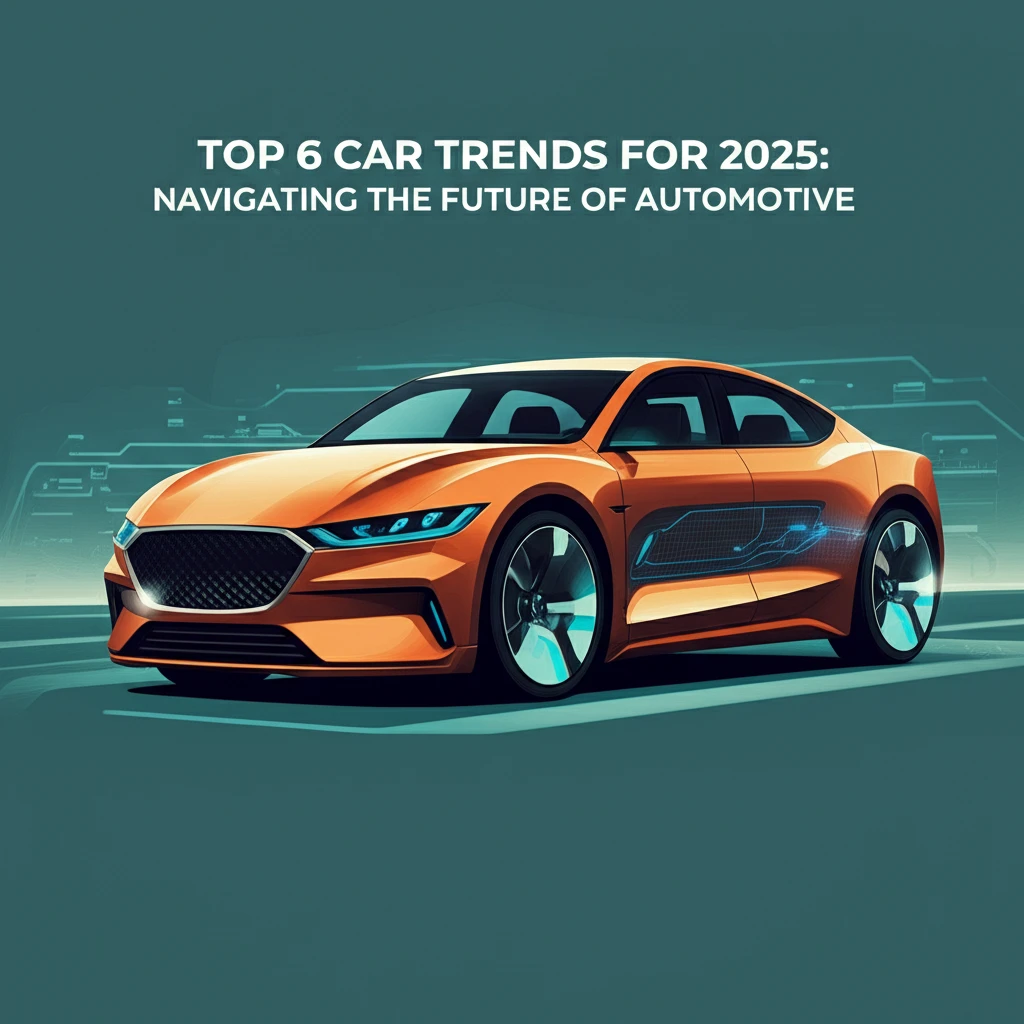
The automotive industry is a constantly evolving landscape, driven by innovation, sustainability, and changing consumer demands. As we approach 2025, several key trends are set to redefine how we drive, interact with, and even own our vehicles. From electrified powertrains to hyper-personalized interiors, the cars of tomorrow promise to be smarter, greener, and more connected than ever before. Understanding these shifts is crucial for enthusiasts, prospective buyers, and industry stakeholders alike. Let's dive into the top 6 car trends that will shape 2025.
Electric Vehicles (EVs) are no longer a niche market; they are rapidly becoming the mainstream choice. In 2025, expect to see an even broader range of EVs across all segments, from compact city cars to rugged SUVs and even pickup trucks. Advances in battery technology will lead to greater range, faster charging times, and more affordable price points, making the switch to electric more appealing than ever. Infrastructure will also continue to expand, easing range anxiety.
While fully autonomous Level 5 vehicles might still be a few years away for mass adoption, 2025 will see significant advancements in Level 2+ and Level 3 driver-assist systems. Features like enhanced adaptive cruise control, lane-keeping assist, automated parking, and highway pilot systems will become more sophisticated, reliable, and commonplace. These technologies aim to reduce driver fatigue, improve safety, and make long journeys more comfortable. LiDAR and advanced radar systems will play a crucial role in these developments.
Cars are transforming into mobile computing platforms. By 2025, expect vehicles to offer deeply integrated 5G connectivity, enabling lightning-fast over-the-air (OTA) updates, real-time traffic data, and streaming services. Infotainment systems will become highly personalized, learning driver preferences and offering custom profiles for navigation, music, and climate control. Augmented Reality (AR) head-up displays (HUDs) will also become more common, projecting crucial information directly onto the driver's field of view.
Environmental consciousness extends beyond the powertrain. The automotive industry is increasingly focusing on sustainable practices throughout the entire vehicle lifecycle. In 2025, we'll see a greater adoption of recycled and eco-friendly materials for interiors (e.g., plant-based leathers, recycled plastics, natural fibers), exterior components, and even battery production. Manufacturers are also optimizing production processes to reduce waste and energy consumption, moving towards a more circular economy.
The traditional model of car ownership is evolving. By 2025, car subscription services, which offer access to a fleet of vehicles for a monthly fee (covering insurance, maintenance, and registration), will gain significant traction. Short-term leases, car-sharing platforms, and even "car-as-a-service" options will provide consumers with unprecedented flexibility, catering to varying needs without the long-term commitment of purchase. This trend is particularly appealing to urban dwellers and those seeking diverse vehicle access.
The car cabin is no longer just a place to sit; it's becoming a customizable living space. Expect 2025 vehicles to offer highly modular interiors that can be reconfigured for various purposes – from a mobile office to a relaxation lounge, especially in cars with advanced autonomous capabilities. Smart surfaces, haptic feedback controls, and ambient lighting that adapts to mood or driving conditions will enhance the personalized experience. Comfort and well-being will be paramount, with features like advanced air purification and ergonomic seating taking center stage.
The automotive landscape of 2025 promises to be dynamic and exciting. These six trends highlight a future where cars are not just modes of transport but integrated extensions of our digital lives, designed with sustainability, intelligence, and personalization at their core. Staying informed about these developments will empower you to make the best choices as you navigate the evolving world of automotive innovation.
 October 11
Discover the top 10 car trends for 2025, from electric vehicle innovations and sustainable materials to futuristic design and smart tech. Stay ahead of the curve!
 October 16
Discover the top 10 automotive trends shaping 2025, from electric advancements to personalized tech. Get insights into future car design, sustainability, and connectivity.
 October 16
Explore the top 10 car trends for 2025, from electric vehicles to AI integration. Stay ahead with examples and practical tips for car enthusiasts.