Top 10 Car Trends Shaping 2025: Style, Tech, and Sustainability on the Road
Discover the top 10 car trends for 2025, from electric vehicle innovations and sustainable materials to futuristic design and smart tech. Stay ahead of the curve!

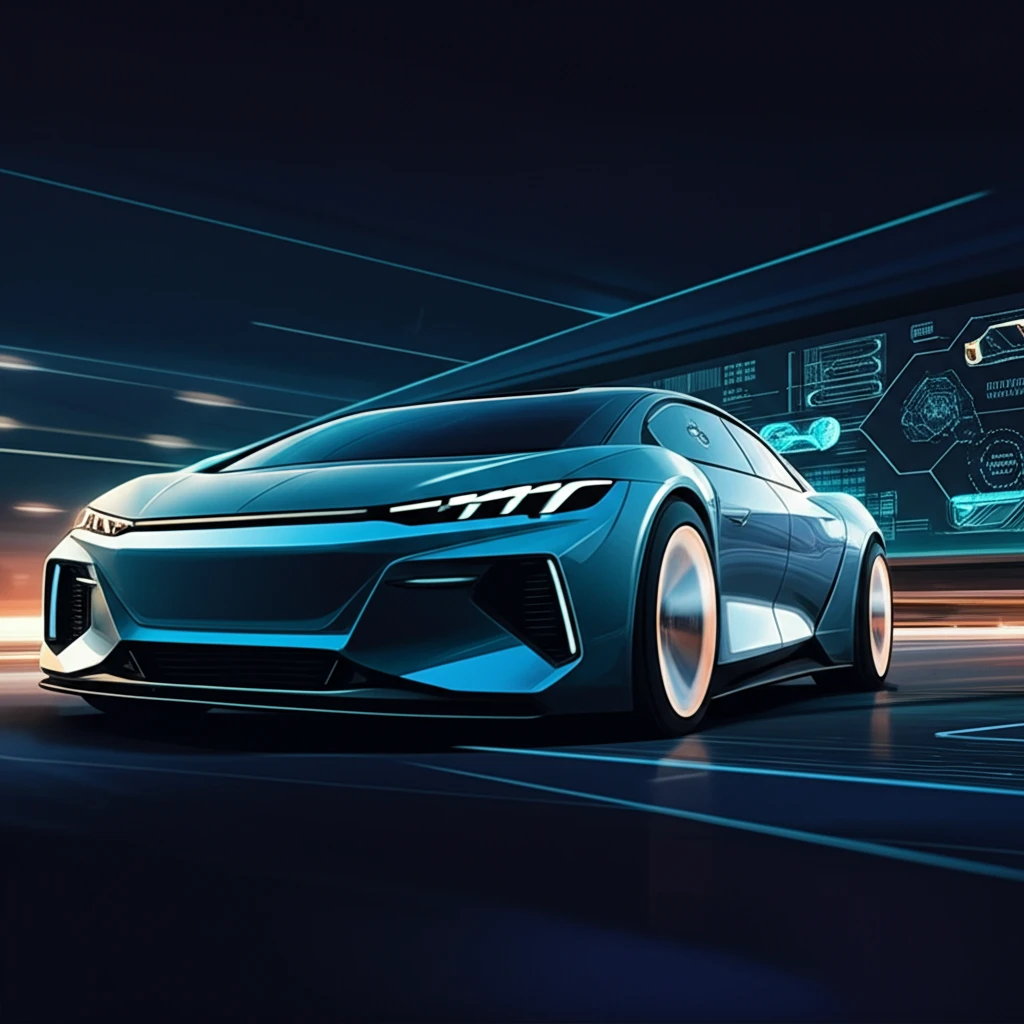
The automotive industry is a dynamic realm, constantly pushing the boundaries of innovation, design, and functionality. As we accelerate towards 2025, a fascinating array of trends is emerging, promising to reshape how we perceive, purchase, and interact with our vehicles. From sustainable materials to hyper-connected cockpits, these trends reflect a global shift towards smarter, greener, and more personalized mobility. This article dives deep into the top 10 car trends that will define 2025, offering insights, examples, and practical tips for enthusiasts and prospective buyers alike.
Electric Vehicles (EVs) are no longer a niche market; they are becoming the mainstream. In 2025, we'll see an even broader range of EV models, from compact city cars to robust trucks, boasting increased range, faster charging capabilities, and more competitive pricing. The 'fashion' aspect here is the sleek, often futuristic design language EVs adopt, emphasizing aerodynamics and minimalist aesthetics. Many brands are making EVs their flagship models, showcasing cutting-edge design.
While fully autonomous Level 5 vehicles are still some way off, 2025 will see significant advancements in Level 2 and Level 3 autonomous driving systems. These will offer more sophisticated assistance for highway driving, parking, and traffic jams, making commutes safer and less stressful. The trend is about augmentation, not replacement, allowing drivers to delegate more tasks to the vehicle's AI. Advanced sensor fusion and predictive algorithms will improve reliability.
The car interior is transforming into a personalized sanctuary and a mobile office. Expect highly customizable cabins with reconfigurable seating, adaptive lighting, and AI-driven climate control that learns driver preferences. Material fashion will lean towards bespoke textures, colors, and sustainable options that reflect individual style. The focus is on creating a 'third living space' beyond home and office.
Environmental consciousness is driving innovation in material science. 2025 models will prominently feature interiors made from recycled plastics, plant-based leather alternatives (vegan leather), and natural fibers. This isn't just about eco-friendliness; these materials often offer unique textures and aesthetics, contributing to a modern, ethical automotive 'fashion' statement.
The car is increasingly becoming a computer on wheels. Software-defined vehicles will allow for over-the-air (OTA) updates to enhance performance, add new features, and even subscribe to premium functionalities like increased horsepower or advanced driver assistance. This trend makes cars more adaptable and future-proof, blurring the lines between hardware and software. The 'fashion' here is less about physical appearance and more about digital user experience and upgradeability.
Vehicles in 2025 will be more connected than ever, not just to your smartphone, but to other vehicles (V2V), infrastructure (V2I), and even pedestrians (V2P). This Vehicle-to-Everything (V2X) communication enhances safety, optimizes traffic flow, and provides real-time information. It creates an integrated ecosystem where your car is an extension of your digital life and the smart city around you.
Automotive fashion in 2025 will be characterized by bold, sleek, and highly aerodynamic exteriors. Designers are leveraging advanced simulation tools to create fluid shapes that not only look futuristic but also significantly improve efficiency, especially for EVs. Integrated lighting signatures, hidden sensors, and flush door handles will contribute to a clean, sculpted aesthetic. This trend embodies speed, efficiency, and modern elegance.
Forget traditional instrument clusters. 2025 cars will increasingly feature augmented reality head-up displays (AR-HUDs) that project navigation directions directly onto the road ahead, highlight hazards, and provide contextual information. Holographic displays might also begin to appear, offering immersive and intuitive user interfaces that blend seamlessly with the driving experience.
With increasing connectivity and software reliance, cybersecurity becomes paramount. 2025 vehicles will integrate advanced encryption, intrusion detection systems, and secure over-the-air update protocols to protect against hacking and data breaches. This trend is crucial for maintaining trust in autonomous and connected features, making vehicle security a silent but vital aspect of automotive innovation.
The concept of car ownership itself is evolving. 2025 will see greater integration of Mobility-as-a-Service (MaaS) platforms, offering seamless access to car-sharing, ride-hailing, public transport, and micro-mobility options, often managed through a single app. Flexible subscription models for vehicles, rather than outright purchase, will also gain traction, appealing to those who prioritize access over ownership.
As these exciting trends unfold, staying informed is key. Here are some practical tips for car buyers and enthusiasts:
The automotive landscape of 2025 promises to be more innovative, sustainable, and technologically advanced than ever before. From the quiet hum of electric motors to the seamless integration of digital ecosystems, these trends are not just about new features; they represent a fundamental shift in how we move and interact with the world. Embracing these changes means embracing a future of smarter, safer, and more stylish driving.
 October 11
Discover the top 10 car trends for 2025, from electric vehicle innovations and sustainable materials to futuristic design and smart tech. Stay ahead of the curve!
 October 16
Discover the top 10 automotive trends shaping 2025, from electric advancements to personalized tech. Get insights into future car design, sustainability, and connectivity.
 October 16
Explore the top 10 car trends for 2025, from electric vehicles to AI integration. Stay ahead with examples and practical tips for car enthusiasts.